
Mexico Ranks 3rd in Global Top 50 Beach Destinations for 2026: Key Trends and Top Sites
Mexico secures the third spot in the 2026 Global Top 50 Beach Travel Destinations index, driven by eco-tourism growth, the Maya Train, and diverse coastal ecosystems.

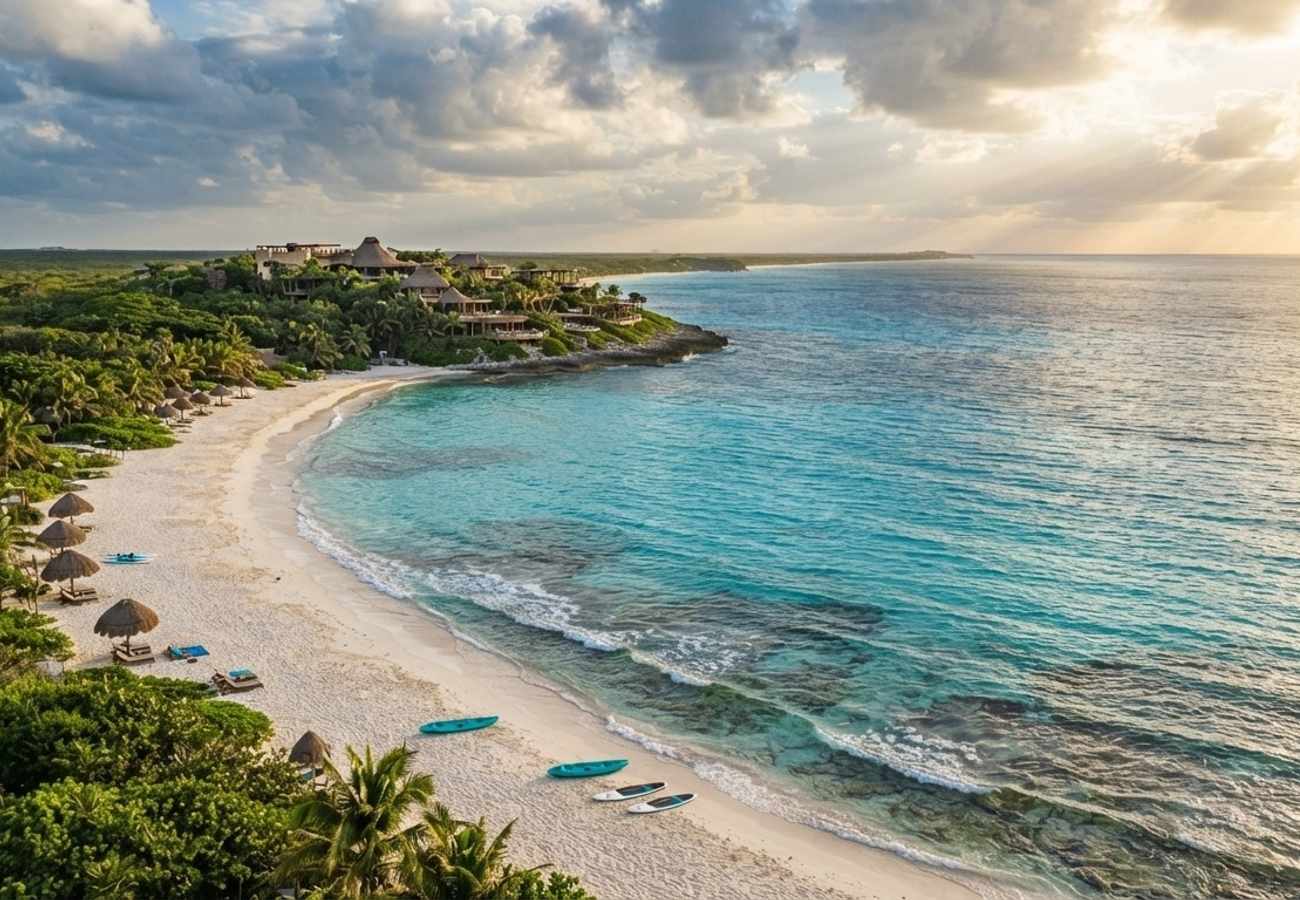
Image generated by AI
Mexico has surged to the number three position in the global rankings for beach travel in 2026. This ascent marks a significant shift as the nation outpaces traditional European and Asian competitors by pivoting toward high-value, eco-conscious tourism.
The 2026 global travel landscape shows a definitive move away from generic holiday resorts. Modern travelers are increasingly prioritizing "eco-rich" experiences, and Mexico has capitalized on this trend by blending luxury infrastructure with sustainable environmental stewardship.
The Strategic Drivers Behind Mexico's Global Ascent
Mexico's podium finish is not merely a result of its geography, but a calculated integration of transport, accessibility, and cultural preservation. The implementation of high-tech systems, most notably the Maya Train, has fundamentally changed how tourists access remote coastal regions, bridging the gap between luxury hubs like Los Cabos and eco-centric destinations in Oaxaca.
The nation's success is built on four primary operational pillars:
- Geographic Diversity: With over 11,000 kilometers of shoreline, Mexico offers three distinct coastal experiences: the Pacific Ocean, the Sea of Cortez, and the Caribbean/Gulf of Mexico.
- Infrastructure Efficiency: Seamless connectivity via major hubs—including Cancún (CUN), Los Cabos (SJD), and Puerto Vallarta (PVR)—allows for rapid deployment of tourists from North America and Europe.
- Cultural Integration: Unlike isolated island resorts, Mexican coastal travel is linked to living history, combining beach leisure with ancient Mayan ruins and regional gastronomy.
- Accessibility: A combination of streamlined entry policies for international visitors and an average of 300+ days of annual sunshine makes it a reliable year-round destination.
Environmental Benchmarks and Marine Conservation
The 2026 ranking emphasizes "Information Gain" regarding sustainability. Mexico's prestige is heavily tied to its commitment to marine biodiversity and strict environmental certifications.
The Mesoamerican Barrier Reef System in the Riviera Maya—the world's second-largest coral reef structure—serves as a primary draw for conscious travelers. Simultaneously, the Sea of Cortez remains a critical biological hotspot, hosting 39% of the planet’s marine mammal species.
To maintain these standards, the Ministry of Environment and Natural Resources (SEMARNAT) manages numerous Blue Flag certified beaches, ensuring water purity and safety. Furthermore, the National Fund for Tourism Development (FONATUR) continues to prioritize eco-conscious infrastructure to protect coastal dunes and marine parks.
Essential Guide to Mexico's Top-Ranked Beaches for 2026
The following data outlines the top destinations highlighted in the 2026 index, providing a breakdown of logistics and costs for travelers.
Coastal Destination Logistics and Pricing
| Destination | Location | Primary Access Method | Estimated Daily Cost | Key Highlight |
|---|---|---|---|---|
| Isla Pasión | Cozumel, Q. Roo | Ferry from Playa del Carmen $\rightarrow$ Water Shuttle | $65 – $110 USD | Private sanctuary, turquoise waters |
| Playa Balandra | La Paz, B.C.S. | La Paz Airport (LAP) $\rightarrow$ Local Bus | $3.50 (Fee) + $15-$25 (Rentals) | Mushroom rock (El Hongo) |
| Playa Xpu-Há | Riviera Maya, Q. Roo | CUN or TQO Airport $\rightarrow$ Colectivo | $40 – $70 USD | Accessible offshore coral reefs |
| Playa Norte | Isla Mujeres, Q. Roo | Ferry from Puerto Juárez $\rightarrow$ Walk | Free (Public) / $25-$50 (Clubs) | Shallow waters, direct sunsets |
| Playa Carrizalillo | Puerto Escondido, Oax | PXM Airport $\rightarrow$ Local Taxi | Free (Public) / $10-$15 (Boards) | Cliff-lined cove, turquoise bay |
Pro-Tips for 2026 Visitors
- For Isla Pasión: Visitor caps are strictly enforced to mitigate the impact of cruise ship crowds. Advance booking for day passes is mandatory.
- For Playa Balandra: Access is managed via strict time shifts (08:00–12:00 and 13:00–17:00). Arriving 45 minutes early is recommended to ensure entry.
- For Playa Xpu-Há: To avoid expensive guided tours, travelers are encouraged to bring their own snorkeling gear for the shoreward reefs.
- For Playa Carrizalillo: The 160-step descent and ascent can be grueling in the midday sun; schedule visits for early morning or late afternoon.
Key Takeaways for Travelers
- Eco-Shift: Mexico is transitioning from "mass tourism" to "high-value tourism," focusing on sustainability and authentic cultural connections.
- Transport Evolution: The Maya Train and improved airport connectivity have made remote eco-sites more accessible than ever.
- Diverse Options: The country now caters to a broad spectrum, from AAA Five Diamond luxury in Los Cabos to community-managed eco-sanctuaries in Oaxaca.
- Environmental Rigor: Blue Flag certifications and SEMARNAT oversight are now central to the beach experience, ensuring higher safety and purity standards.
Frequently Asked Questions
Why is Mexico ranked so high in 2026 compared to previous years? The ranking reflects a strategic shift toward eco-tourism and the integration of high-tech transport like the Maya Train, allowing travelers to access a wider variety of sustainable and luxury experiences.
Which Mexican beaches are best for snorkeling? Playa Xpu-Há and Isla Pasión are highlighted for their proximity to coral reefs and clear Caribbean waters.
How does Mexico handle sustainable tourism? Through organizations like FONATUR and SEMARNAT, Mexico implements Blue Flag certifications and protects massive marine ecosystems, such as the Mesoamerican Barrier Reef.
Mexico's rise to the top three globally signals a new era where environmental stewardship and luxury travel coexist.
Related Travel Guides
Disclaimer
This article is for informational and educational purposes only. It does not constitute legal, financial, or professional advice. While we strive to provide accurate and up-to-date information, travel policies, regulations, and conditions change rapidly. Always verify information with official sources before making travel decisions. Nomad Lawyer makes no representations about the accuracy, reliability, completeness, or suitability of the information provided. Readers should consult qualified professionals for advice specific to their circumstances. The views expressed in this article are those of the author and do not necessarily reflect the views of Nomad Lawyer.
Preeti Gunjan
Contributor & Community Manager
A passionate traveller and community builder. Preeti helps grow the Nomad Lawyer community, fostering engagement and bringing the reader experience to life.
Learn more about our team →