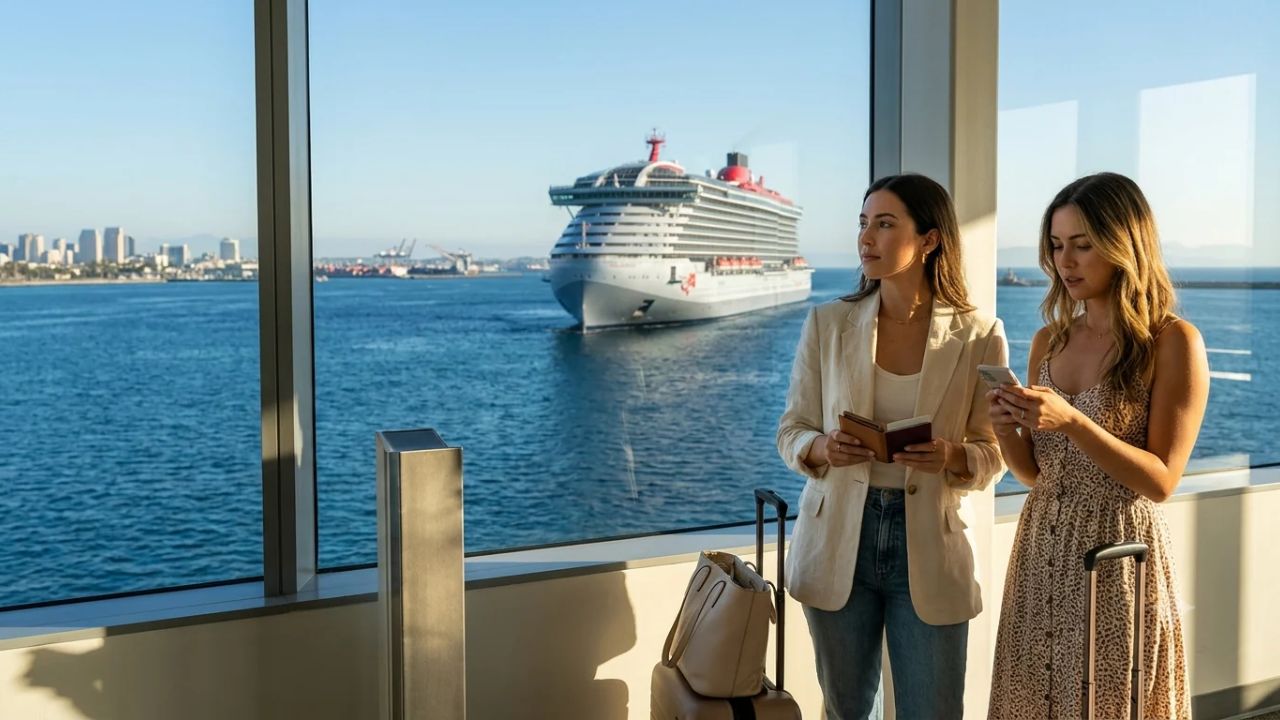
Memphis Along with St. Louis and Others Face US River Cruise Crisis as Mississippi and More Rivers Hit Low Water Levels in 2026

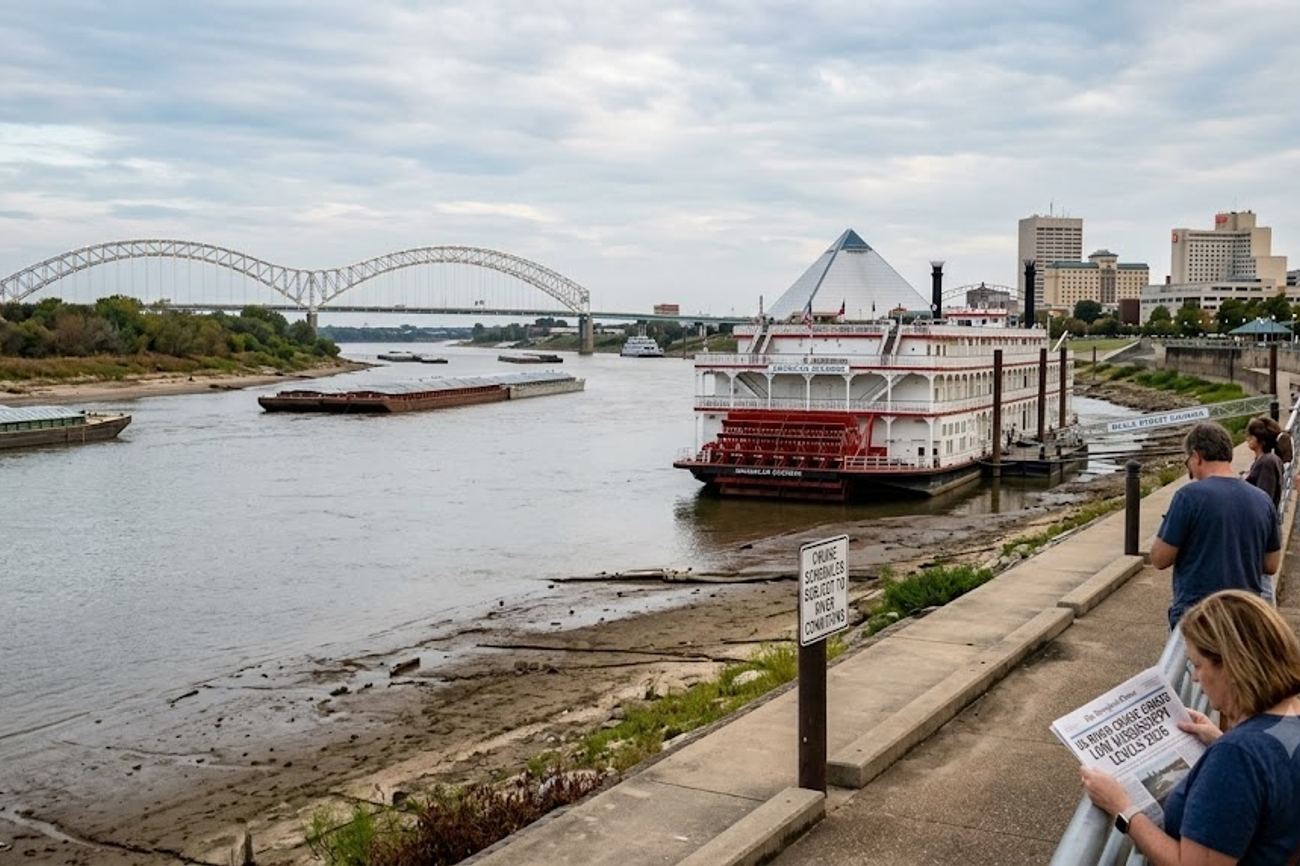
Image generated by AI
[Memphis, September 2026] — Extreme water level declines on the Mississippi River have triggered a systemic crisis for the inland cruise industry, forcing multiple operators to cancel voyages for the remainder of 2026 and into 2023. Record-low precipitation across the Midwest has left the river’s navigable channels dangerously shallow, stranding luxury vessels and paralyzing river tourism at key economic hubs.
The emergency is concentrated in the Middle and Lower Mississippi segments, where a combination of prolonged high-pressure weather systems in the Central Plains and diminished tributary discharge has compressed the waterway. The U.S. Army Corps of Engineers (USACE) is currently executing emergency dredging operations to clear sand and mud accumulation, but these efforts have yet to restore depths sufficient for deep-draft passenger ships. Simultaneously, the U.S. Coast Guard has implemented strict enforcement of water-usage limits for vessels remaining on the river to prevent further depletion of local resources.
Drought-Induced Channel Collapse
The current crisis is the result of a catastrophic hydrological contraction. While the Mississippi River system drains 41 percent of the contiguous United States across 31 states and two Canadian provinces, it relies on a precarious balance of snowmelt and inflow from the Ohio, Missouri, Arkansas, and Red Rivers. A sustained deficit in upper-basin rainfall has caused river stages to plummet toward historical record lows.
Unlike industrial cargo barges, which can maintain buoyancy by shedding portions of their freight, modern overnight passenger riverboats require consistent, guaranteed channel depths and wide maneuvering corridors. The current lack of water has exposed wing dikes and rock pinnacles, creating a hazardous environment where vessel hulls are at risk of grounding. This environmental pressure has transformed the "Great River Highway" into a series of bottlenecks, specifically in the 195-mile stretch between the Missouri River confluence above St. Louis and the Ohio River confluence at Cairo, Illinois.
Impacted Ports and Navigational Zones
The crisis is most acute at primary transit hubs where gauge readings have hit critical thresholds. The following locations are currently experiencing severe operational restrictions:
| Monitoring Location | Gauge Identifier | Observed Water Status |
|---|---|---|
| St. Louis, Missouri | USGS 07010000 | Critical Low Stage (Near-zero/Negative) |
| Memphis, Tennessee | NOAA MEMT1 | Severe Low Threshold (+6.6 feet) |
| Cairo, Illinois | USACE Stage Data | Below 10-Foot Stage |
| Hickman, Kentucky | USACE River Gauge | Emergency Channel Depth |
| Vicksburg, Mississippi | NOAA VICM1 | Shallow Draft Corridor |
In St. Louis, the U.S. Geological Survey (USGS) reports gauge readings near-zero or negative throughout late September 2026. This level of flow reduction accelerates natural sedimentation, causing sandbars to rise rapidly within the main navigation channel. In Memphis, the NOAA gauge (MEMT1) has dropped to +6.6 feet. For context, normal seasonal action thresholds typically sit at +28.00 feet, while record flood stages have reached +48.70 feet. This drastic decline has restricted access to vital public docking infrastructure, including Mud Island and Beale Street Landing.
Practical Traveler Advisory and Strategic Insights
For passengers with bookings on Mississippi River cruises, the current hydrological state translates to high volatility and a significant probability of itinerary changes.
Immediate Booking Risks: Travelers should expect sudden cancellations. Because passenger vessels cannot "lighten their load" like freight barges, a sudden drop of a few inches in river stage can make a planned route physically impossible to navigate.
On-Board Restrictions: For those currently sailing, the U.S. Coast Guard's enforcement of water-usage limits may result in reduced amenities. This can include restrictions on laundry services, limited water for swimming pools or spas, and tighter controls on freshwater consumption within cabins.
Itinerary Alterations: Cruise lines are likely to bypass specific port calls. If the water level at Memphis or St. Louis remains below the critical threshold, ships may be unable to dock, forcing operators to cancel shore excursions or replace river stops with bus tours from alternative, deeper-water ports.
Economic Fallout and Recovery Timeline
The suspension of river tourism is dealing a direct blow to the economies of inland port municipalities. Cities like Vicksburg, Natchez, and New Orleans rely heavily on the influx of international and domestic visitors brought in by overnight riverboats. The loss of these passengers impacts local hospitality, retail, and tour operators.
Recovery is entirely dependent on precipitation patterns in the upper catchment areas. While the U.S. Army Corps of Engineers continues to dredge the river bottom to create temporary pockets of navigable depth, these are short-term fixes. Experts indicate that these conditions are likely to persist for several months, meaning the 2023 early-season schedules remain at risk. Until a significant weather shift brings sustained rainfall to the Central Plains and the Upper Mississippi basin, the river will remain a high-risk zone for deep-draft passenger travel.
FAQ: Mississippi River Cruise Crisis 2026
Are all river cruises on the Mississippi cancelled? Not all, but many. Cancellations are most frequent for deep-draft overnight vessels. Smaller, shallow-draft boats may still operate, but most major cruise lines have suspended multiple itineraries for the remainder of 2026 and into 2023.
Can I still visit Memphis or St. Louis by boat? It is unlikely for large cruise ships. Current gauge readings in Memphis (+6.6 ft) and St. Louis (near-zero) make docking at primary terminals like Beale Street Landing hazardous or impossible for large passenger vessels.
What happens to my booking if my cruise is cancelled? Most cruise lines offer full refunds or credits for future sailings. Travelers should contact their operators immediately to verify the status of their specific itinerary given the current USACE emergency dredging alerts.
Why can't ships just carry less water to stay afloat? Unlike cargo barges that can drop freight, passenger ships have fixed weights and require specific depths for steering and hull safety. If the channel is too shallow, the risk of grounding the vessel is too high for safe operation.
The arterial spine of American commerce remains at the mercy of a drying climate.
Related Travel Guides
- Australia Cruise Travel Shift as Cairns Port Dredging Begins After Townsville Receives Diverted Ships
- Manila Leads Philippine Cruise Tourism Boom as Boracay, Coron and Palawan Gain Global Cruise Calls
- Vermont Tourism Slumps as Burlington Segway Tours Drop from 500 to 60 Amid Canada Trade Tensions 2026
This article is for informational purposes. Flight routes, passenger regulations, visa rules, and transit advisories are subject to change by airlines and aviation authorities. Readers are advised to verify schedules and travel documentation with relevant carriers and border agencies before departure.
Related Stories
The Hidden Economics of Ultra-Luxury World Cruises: Inside the Six-Figure Voyages Dominating High-Net-Worth Travel
European Waterways Expands 2027 Luxury Barge Cruises Across Europe: New Brittany Route, Castle Falconry, and 10% Early Booking Savings