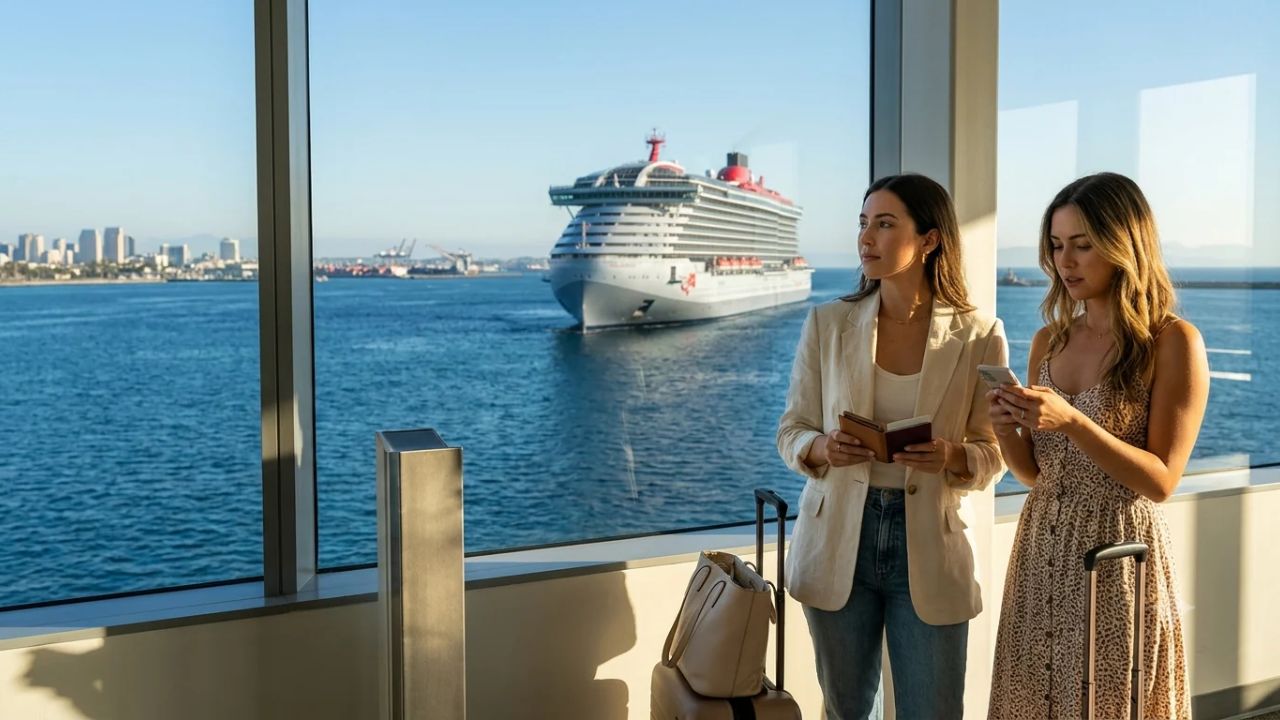
Manila Leads Philippine Cruise Tourism Boom as Boracay, Coron and Palawan Gain Global Cruise Calls

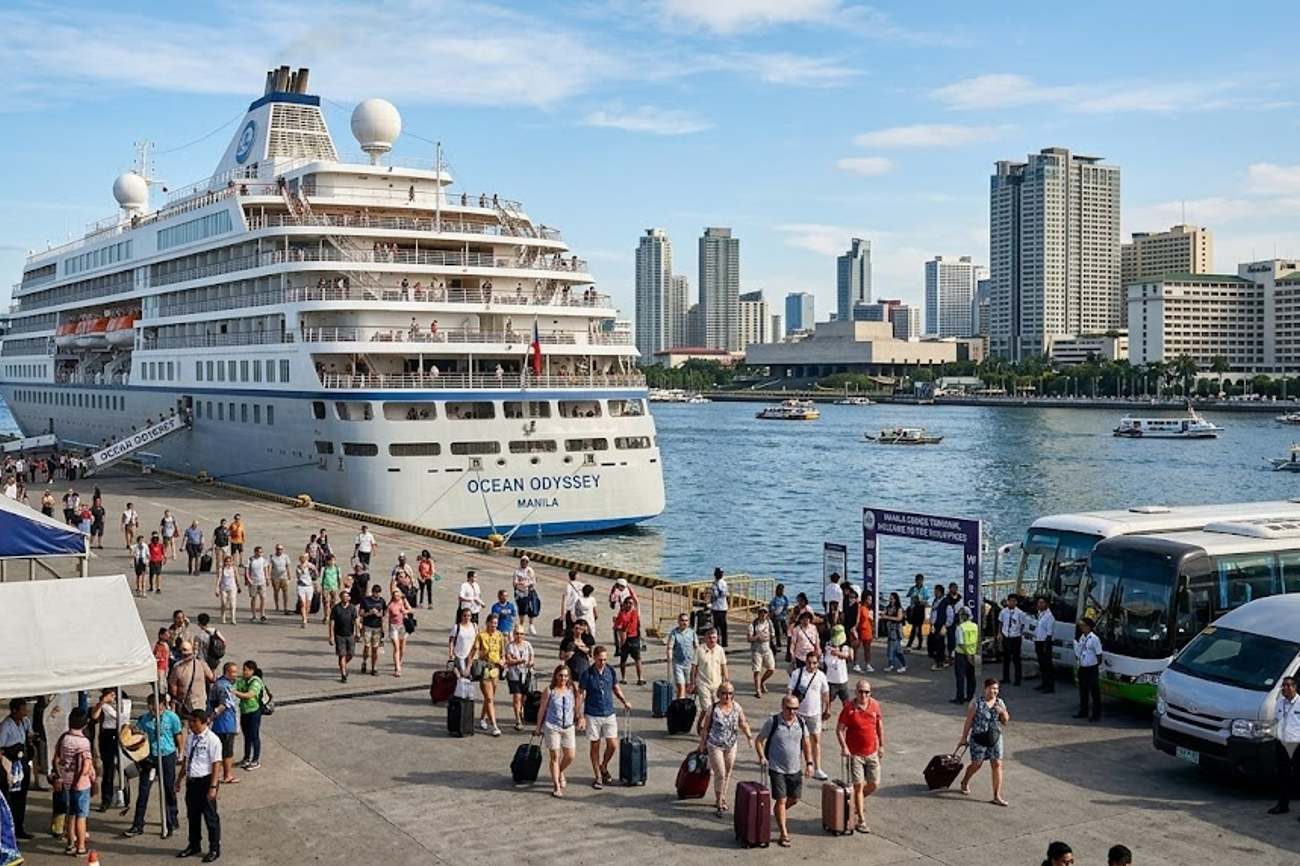
Image generated by AI
[Manila, June 2026] — The Philippines has recorded 165,340 cruise passengers across 70 port calls in the first half of 2026, marking a 4.48% year-on-year increase in vessel arrivals. This surge signals a strategic pivot from the country acting as a simple stopover to becoming a multi-port destination hub within the broader Asian maritime circuit.
The expansion is driven by the Philippine Ports Authority (PPA), which is aggressively diversifying the nation's cruise footprint. While Manila has historically served as the primary gateway, the government is now scaling infrastructure in Coron, Aklan, Camiguin, and Puerto Galera to distribute tourist traffic. This infrastructure push coincides with new cruise visa waivers designed to remove friction for international passengers entering the archipelago.
The Infrastructure Catalyst
The current growth is the result of a deliberate shift toward "turnaround" operations—where passengers begin or end their entire voyage in the Philippines rather than merely visiting for a few hours. The Eva Macapagal Cruise Terminal in Manila is the center of this transition; the PPA reported six turnaround calls by April 2026, a significant jump from just two recorded throughout the entirety of 2025.
By transforming Manila into a hub, the government aims to capture "pre- and post-cruise" spending. Unlike transit passengers who spend a few hours on shore excursions, turnaround passengers typically book local hotels, utilize airport transfers, and hire regional guides for several days before or after their sailing.
Regional Market Impact
The geographic diversification of cruise calls is expanding the economic dividend beyond the capital. The following regions are now seeing increased vessel activity:
- Northern Luzon: Ilocos Sur, Ilocos Norte, and Pangasinan are providing alternatives to the traditional tropical beach model, focusing instead on heritage architecture and regional gastronomy.
- Palawan & Visayas: Coron and Puerto Princesa are leveraging limestone landscapes and marine biodiversity, while Bohol continues to attract high-end vessels like the MS Europa 2 for wildlife and heritage tours.
- Emerging Hubs: Subic Bay and Siargao are being integrated into itineraries to provide surf culture and coastal history.
The data reveals a steep recovery and growth trajectory. After recording 88,080 passengers in 2023 and 142,574 in 2024 (a 61.9% increase), the PPA reported 226,247 passengers for 2025. This latest figure officially surpasses the pre-pandemic benchmark of 213,765 passengers recorded in 2019.
Practical Traveler Advisory and Strategic Insights
For the modern traveler, the "Philippines experience" is no longer limited to a single port of call. The shift toward multi-port itineraries means passengers can experience contrasting environments—from the urban density of Manila to the remote lagoons of Coron—within a single voyage.
Immediate impacts include:
- Easier Entry: The implementation of cruise-specific visa waivers means fewer bureaucratic hurdles for passengers from visa-required nations.
- Longer Stays: Major lines are introducing late-night stays and overnight port calls, reducing the "rush" of traditional shore excursions.
- Integrated Asia Trips: Travelers can now book voyages that seamlessly link the Philippines with Japan, Singapore, Thailand, Vietnam, and Malaysia without needing separate regional bookings.
Global Cruise Line Integration
The world's largest cruise operators are already rewriting their Southeast Asian maps to accommodate this expansion. Norwegian Cruise Line has integrated Coron and Puerto Princesa into its regional offerings, with 2027–28 deployments featuring 9- to 14-day itineraries running between Singapore and Hong Kong.
Princess Cruises recently signaled the prestige of these ports by including an inaugural call at Boracay as part of its 2026 World Cruise, which visited 52 destinations and 45 UNESCO World Heritage Sites. Similarly, Royal Caribbean is utilizing a network that connects Boracay, Ilocos, and Subic Bay with ports across India, Indonesia, and Japan.
This integration proves that the Philippines is no longer an "isolated" destination but a core component of the Asian cruise architecture.
Future Development Timeline
The Philippine government is currently prioritizing the upgrade of the Manila South Harbor to handle larger, next-generation cruise ships. Simultaneously, the development of dedicated cruise facilities in Camiguin and Puerto Galera is underway to prevent overcrowding in established ports like Boracay.
Industry analysts note a statistical discrepancy between the PPA and the Department of Tourism (DOT)—the DOT reported 136 calls and 56,040 passengers for 2025, while the PPA reported significantly higher totals. This gap is attributed to different reporting definitions, but both agencies agree on the upward trajectory of the sector.
The long-term goal is to move the Philippines from a "secondary" destination to a "primary" Asian hub, competing directly with Singapore for regional dominance in the cruise sector.
FAQ: Philippines Cruise Travel 2026
Do I need a visa to visit the Philippines on a cruise? Many passengers now benefit from cruise-specific visa waivers. However, requirements vary by nationality. You should verify your specific passport requirements with your cruise line or the nearest Philippine embassy before departure.
Which Philippine ports offer the best shore excursions? For nature and diving, Coron and Puerto Princesa (Palawan) are top choices. For culture and history, Ilocos and Manila are preferred. For luxury beach experiences and water sports, Boracay remains the primary destination.
Can I start my cruise in Manila instead of Singapore? Yes. With the increase in "turnaround" operations at the Eva Macapagal Cruise Terminal, more itineraries now allow passengers to embark or disembark directly in Manila.
How long are the typical Philippine-inclusive itineraries? Most regional voyages now range from 9 to 14 days, often linking the Philippines with other Southeast Asian hubs like Singapore, Hong Kong, and Bangkok.
The archipelago is no longer just a stop on the map—it is becoming the map.
Related Travel Guides
- Vermont Tourism Slumps as Burlington Segway Tours Drop from 500 to 60 Amid Canada Trade Tensions 2026
- United States Joins Canada As Cunard Revises Alaska Cruise Route After Maintenance Delay
- Travelmarvel Sirius Nile River Cruise Begins New Egypt Journey Connecting Ancient History With Modern Luxury Travel
This article is for informational purposes. Flight routes, passenger regulations, visa rules, and transit advisories are subject to change by airlines and aviation authorities. Readers are advised to verify schedules and travel documentation with relevant carriers and border agencies before departure.
Related Stories

The Hidden Economics of Ultra-Luxury World Cruises: Inside the Six-Figure Voyages Dominating High-Net-Worth Travel

European Waterways Expands 2027 Luxury Barge Cruises Across Europe: New Brittany Route, Castle Falconry, and 10% Early Booking Savings