
Mediterranean Luxury Tourism Surges as Spain, Malta, and Albania Lead Year-Round Travel Growth
Spain, Malta, Greece, Italy, Albania, and Croatia lead a Mediterranean travel transformation in 2026, shifting focus to high-value luxury stays and off-peak coastal escapes.

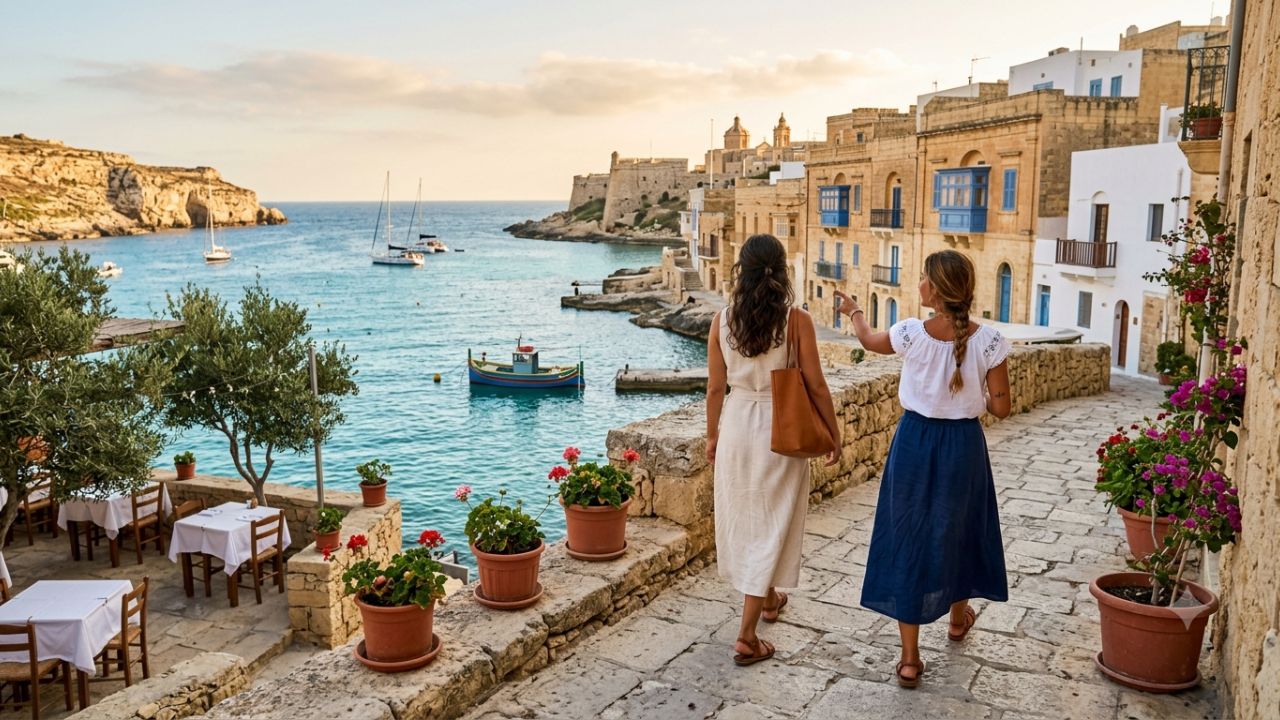
European Mediterranean destinations are prioritizing luxury hospitality, heritage tourism, and year-round travel models in 2026.
VALLETTA, Malta — Mediterranean tourism destinations across Southern Europe are undergoing a structural shift in 2026, as nations including Spain, Malta, Greece, Italy, Albania, Croatia, Cyprus, and Turkey pivot toward high-value luxury travel, heritage stays, and year-round visitor models.
Moving away from traditional summer mass tourism, national tourism boards are investing in boutique hospitality, wellness retreats, and secondary regional destinations. From Spain's expanding rural gastronomy routes to Albania's fast-growing Riviera resorts, European travel markets are competing to attract discerning, high-spending international travelers.
Strategic Shift Across 2026 Mediterranean Travel Markets
European destination marketing organizations are restructuring tourism policies to extend travel seasons into autumn, winter, and spring. By highlighting UNESCO World Heritage locations, culinary paths, and coastal villages, countries are mitigating seasonal congestion while boosting yield per visitor.
2026 Mediterranean Country Strategy Matrix
| Country | Primary 2026 Tourism Strategy | Key Regional & Destination Focus Areas |
|---|---|---|
| Spain | High-end luxury hotels, rural gastronomy, regional expansion | Beyond Barcelona/Ibiza to rural inland villages & northern coast |
| Malta | Year-round heritage travel, boutique hotels, diving | Valletta, Mdina, Gozo, shoulder-season cultural breaks |
| Greece | Luxury island resorts, cruise expansion, mainland hiking | Beyond Santorini/Mykonos to Crete, Rhodes, Corfu |
| Italy | Premium hospitality, regional village discovery, food travel | Puglia, Sicily, Sardinia, Calabria coastal villages |
| Albania | Fast-growing luxury Riviera challenger, nature travel | Ksamil, Sarandë, Himarë, Dhërmi, coastal adventure |
| Croatia | Premium Adriatic sailing, historic city preservation | Dubrovnik, Split, smaller outer Adriatic islands |
| Cyprus | Year-round wellness retreats, archaeological tourism | Coastal resorts, Troodos mountain villages, archaeological sites |
| Turkey | Coastal resort hospitality, cultural & medical tourism | Antalya, Aegean coast, Istanbul cultural experiences |
Regional Breakdown of Mediterranean Tourism Developments
1. Spain Expands Beyond Sun-and-Beach Markets
Spain continues to lead Europe's Mediterranean growth story by promoting premium travel experiences. While Barcelona, Mallorca, Ibiza, and the Costa del Sol maintain high international demand, state tourism agencies are directing investment toward lesser-known rural landscapes, heritage cities, and eco-certified luxury lodges.
2. Malta Builds Year-Round Heritage and Boutique Identity
Malta has successfully leveraged its compact geography and thousands of years of naval history to establish a year-round luxury destination model. Featuring boutique hotels housed in historic palazzi, UNESCO-listed sites in Valletta and Mdina, and marine diving routes, Malta attracts high-yield European travelers during spring, autumn, and winter.
3. Greece Diversifies Beyond Flagship Islands
Greece’s 2026 strategy emphasizes destination dispersion beyond established hubs like Santorini and Mykonos. Major investments in luxury resort infrastructure are expanding across Crete, Rhodes, and Corfu, alongside mainland cultural trails, hiking routes, and luxury cruise itineraries.
4. Italy Promotes Secret Coastal Regions
Italy is channeling international visitor demand away from congested urban centers into authentic coastal and rural provinces. Regions such as Puglia, Sicily, Sardinia, and Calabria are experiencing increased demand for boutique farm-stay (agriturismo) lodgings, coastal village tours, and culinary wine routes.
5. Albania Emerges as the Mediterranean Riviera Challenger
Albania represents one of Europe's fastest-growing coastal destinations. The Albanian Riviera—featuring coastal hotspots such as Ksamil, Sarandë, Himarë, and Dhërmi—is attracting international travelers seeking Mediterranean beaches, boutique accommodations, and competitive pricing.
6. Croatia, Cyprus, and Turkey Drive Special Interest Travel
Croatia is prioritizing high-end yacht chartering, island-hopping, and cultural preservation across the Adriatic. Cyprus is strengthening its wellness and archaeological travel offerings to maintain year-round hotel occupancy, while Turkey continues to draw global volume through luxury coastal resorts in Antalya and Aegean hubs.
Key Drivers of the 2026 Mediterranean Tourism Transformation
| Tourism Trend | 2026 Market Impact |
|---|---|
| High-Yield Luxury Growth | Increases revenue per traveler via high-end boutique lodges & dining |
| Off-Peak Travel Promotion | Extends operating seasons across autumn, winter, and spring |
| Secondary Destination Push | Distributes visitor spending to smaller coastal and rural communities |
| Heritage & Culinary Tourism | Integrates UNESCO historical sites with local food and wine routes |
Frequently Asked Questions
How are Mediterranean destinations changing their travel strategies in 2026?
European countries are shifting focus from mass summer beach tourism toward high-value luxury stays, year-round heritage travel, wellness retreats, and secondary regional destinations.
Why is Albania becoming a major Mediterranean destination?
Albania's Riviera (including Ksamil, Sarandë, and Dhërmi) offers pristine beaches, new luxury resorts, and high-quality coastal experiences at competitive prices.
How is Malta building a year-round tourism model?
Malta utilizes its rich UNESCO heritage, historic boutique hotels, diving sites, and cultural events to attract international travelers during shoulder seasons like spring, autumn, and winter.
Which Italian regions are benefiting from secret destination travel?
Lesser-known regions such as Puglia, Sicily, Sardinia, and Calabria are seeing increased demand for boutique accommodations, coastal village escapes, and local culinary experiences.
Related Travel Guides
- UK Tourism Highlights Cornwall's Roseland Peninsula as a Luxury Coastal Escape
- Spain Grants National Tourist Interest Status to El Vítor Festival
- France Regional Natural Parks Drive Sustainable Tourism Growth
Disclaimer
This article is for informational and educational purposes only. It does not constitute legal, financial, or professional advice. While we strive to provide accurate and up-to-date information, travel policies, regulations, and conditions change rapidly. Always verify information with official sources before making travel decisions. Nomad Lawyer makes no representations about the accuracy, reliability, completeness, or suitability of the information provided. Readers should consult qualified professionals for advice specific to their circumstances. The views expressed in this article are those of the author and do not necessarily reflect the views of Nomad Lawyer.
Kunal K Choudhary
Co-Founder & Contributor
A passionate traveller and tech enthusiast. Kunal contributes to the vision and growth of Nomad Lawyer, bringing fresh perspectives and driving the community forward.
Learn more about our team →