
Middle East Tourism Recovery 2026: Saudi Arabia and UAE Lead Post-Conflict Push
The Middle East is navigating a 'post-shock' tourism recovery phase in 2026, with Saudi Arabia, the UAE, and Qatar investing in events and infrastructure to offset geopolitical tensions.

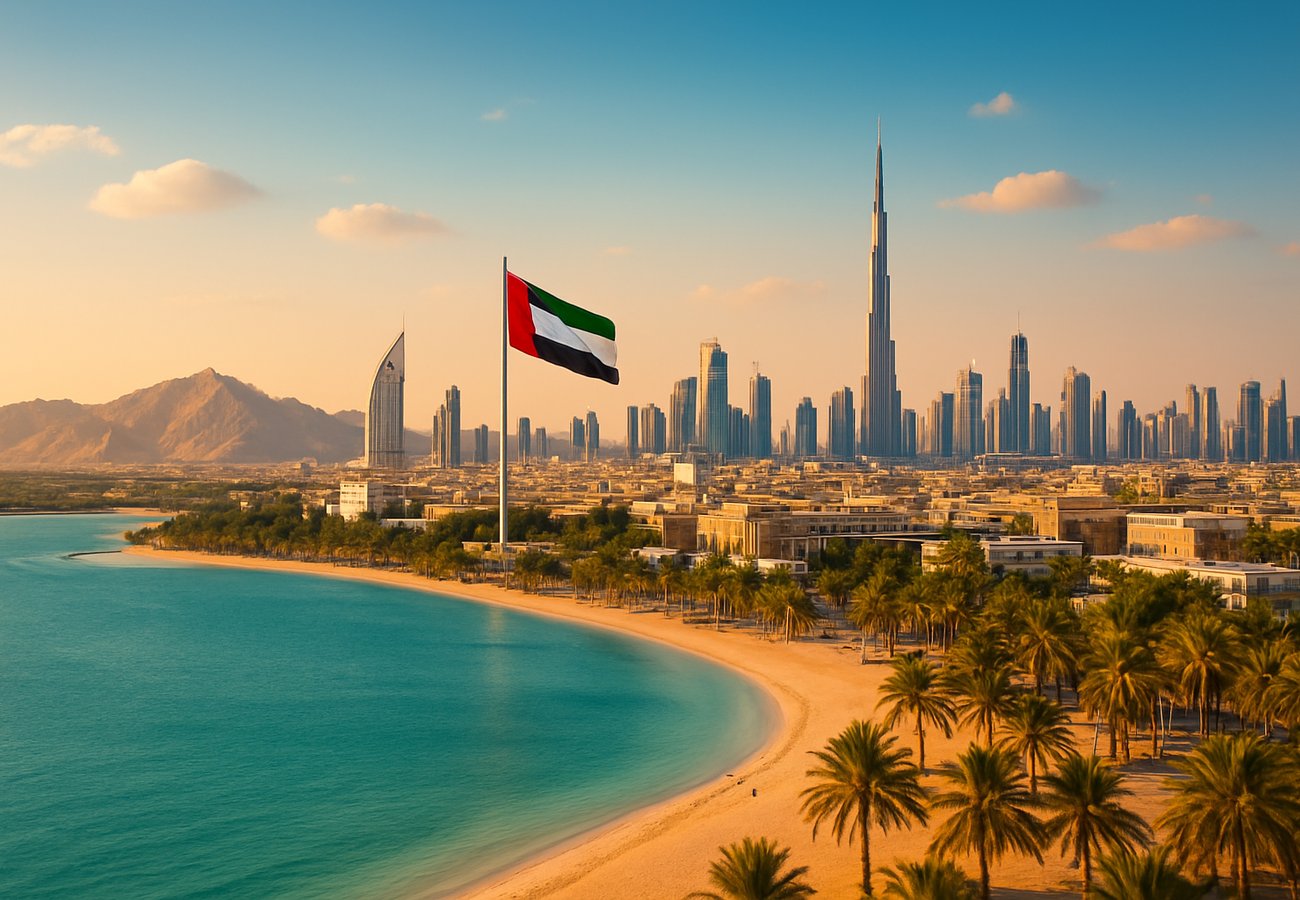
Image generated by AI
Quick Summary
- Regional Resilience: Saudi Arabia, UAE, Qatar, and Oman are leading a concerted effort to revive tourism following significant geopolitical disruptions in early 2026.
- Aviation Hurdles: Airspace restrictions and re-routing due to regional tensions remain the primary obstacles to a full recovery of international flight volumes.
- Strategic Pivot: Saudi Arabia’s Vision 2030 and Dubai’s focus on global exhibitions are maintaining hotel occupancy despite fluctuating visitor sentiment.
- Uneven Recovery: While Turkey and Oman report strong domestic and regional demand, countries like Lebanon and Iran continue to face substantial barriers to international arrivals.
The Middle East’s tourism sector is at a critical juncture in May 2026, characterized by a resilient but uneven recovery. Following a period of intense geopolitical friction, the region is currently in a "post-shock" phase, where infrastructure investments and global events are competing against safety concerns and airspace closures. Saudi Arabia has emerged as a central pillar of this recovery, diversifying its portfolio through massive leisure projects, while the UAE continues to leverage its status as a global aviation hub. However, travel economists note that until regional stability is fully restored and international travel advisories are eased, the industry will rely heavily on event-driven occupancy and domestic markets rather than sustained long-haul leisure travel.
Middle East Tourism 2026: Recovery Status and Key Growth Drivers
The following table outlines the current performance and primary strategies across the region’s major travel markets.
| Nation | Current Status | Key Recovery Driver |
|---|---|---|
| Saudi Arabia | Resilient / Growing | Vision 2030, Red Sea Project, Formula E |
| UAE (Dubai) | Stable / Aviation Leader | Global Exhibitions, MICE, Airspace Reopening |
| Qatar | Cautious Optimism | Luxury Cultural Experiences, Qatar Airways |
| Turkey | Strong Domestic | Event-driven Tourism, Istanbul & Cappadocia |
| Oman | Niche Growth | Eco-Tourism, Natural Heritage, Desert Tours |
| Bahrain/Kuwait | Sluggish | Dependence on Business & Regional Transit |
| Lebanon/Iran | Stalled / Isolated | Sanctions, Security Crises & Flight Caps |
Geopolitical Shocks: Addressing Airspace Restrictions and Safety Concerns
The primary deterrent for international travelers in 2026 remains the impact of regional conflicts on flight logistics:
- Flight Cancellations: Periodic airspace closures have led to massive re-routing, increasing travel times and costs for long-haul carriers.
- Visitor Sentiment: Safety concerns, primarily stemming from external geopolitical shocks, have kept international visitor numbers below pre-crisis levels in several Gulf states.
- Gradual Reopening: While most commercial airspace has reopened as of May 2026, restoring global confidence in regional stability remains a long-term challenge.
Saudi Arabia: Beyond Religious Tourism with Vision 2030
Saudi Arabia is using its economic weight to transform the regional tourism narrative:
- Diversification: Shifting focus from purely religious pilgrimages to global leisure destinations like the Red Sea Project.
- Global Events: Hosting international sports and cultural festivals to draw younger, high-spend demographics from Asia and Europe.
- Infrastructure: Continued investment in "Giga-projects" to ensure the kingdom meets its ambitious 2030 international arrival targets.
UAE and Dubai: Leveraging Global Events for Aviation Resilience
Dubai continues to act as the region's primary buffer against tourism downturns:
- MICE Dominance: Conferences and exhibitions (Meetings, Incentives, Conferences, and Exhibitions) have kept hotel occupancy rates high despite lower leisure travel.
- Aviation Hub: Dubai Airports has led the region in restoring international flight connectivity and streamlining transit for passengers bypassing conflict zones.
- Diversified Portfolio: Strong offerings in shopping, urban lifestyle, and luxury stays remain attractive to regional travelers from the GCC.
Turkey: Event-Driven Recovery Amidst Regional Instability
Turkey has maintained a unique position as a bridge between Europe and Asia:
- Domestic Strength: The local travel market in Istanbul and Cappadocia has remained robust, offsetting the decline in some international segments.
- Cultural Hub: Consistent hosting of sporting and cultural events has ensured that Turkey remains on the map for regional adventure seekers.
- Airline Expansion: Turkish Airlines continues to aggressively expand its global network, providing a vital link for travelers entering the Middle East.
The Post-Conflict Challenge: Persistent Barriers in Iran, Iraq, and Lebanon
While the Gulf states show signs of resilience, other parts of the region struggle with systemic issues:
- Iran: Remains largely isolated due to international sanctions and strict flight restrictions.
- Lebanon: The tourism sector is currently hampered by combined economic and security crises, despite the country's rich cultural potential.
- Iraq/Syria: Recovery is stalled by long-term safety concerns and a lack of modern tourism infrastructure.
FAQ: Middle East Tourism Recovery 2026
Is it safe to travel to the Middle East in May 2026? While major hubs like Dubai, Riyadh, and Doha are active and hosting global events, travelers are advised to check real-time travel advisories and airspace status before departure.
Which Middle Eastern country is leading the tourism recovery? Saudi Arabia and the UAE are the primary drivers, utilizing Vision 2030 projects and global MICE events to maintain momentum.
How has the conflict affected flight routes? Geopolitical tensions have led to periodic re-routing and increased flight times for carriers crossing regional airspace, though most major airports remain operational.
Related Travel Guides
Disclaimer
This article is for informational and educational purposes only. It does not constitute legal, financial, or professional advice. While we strive to provide accurate and up-to-date information, travel policies, regulations, and conditions change rapidly. Always verify information with official sources before making travel decisions. Nomad Lawyer makes no representations about the accuracy, reliability, completeness, or suitability of the information provided. Readers should consult qualified professionals for advice specific to their circumstances. The views expressed in this article are those of the author and do not necessarily reflect the views of Nomad Lawyer.
Kunal K Choudhary
Co-Founder & Contributor
A passionate traveller and tech enthusiast. Kunal contributes to the vision and growth of Nomad Lawyer, bringing fresh perspectives and driving the community forward.
Learn more about our team →