
Malaysia Grand Prix 2026: KLIA Airport Traffic Alerts, Sepang Transit Bottlenecks, and Rail Solutions
With the Formula 1 Malaysia Grand Prix returning to Sepang from 2 to 4 October 2026, KLIA faces major road delays and parking limits. Here is how travelers can bypass the gridlock.

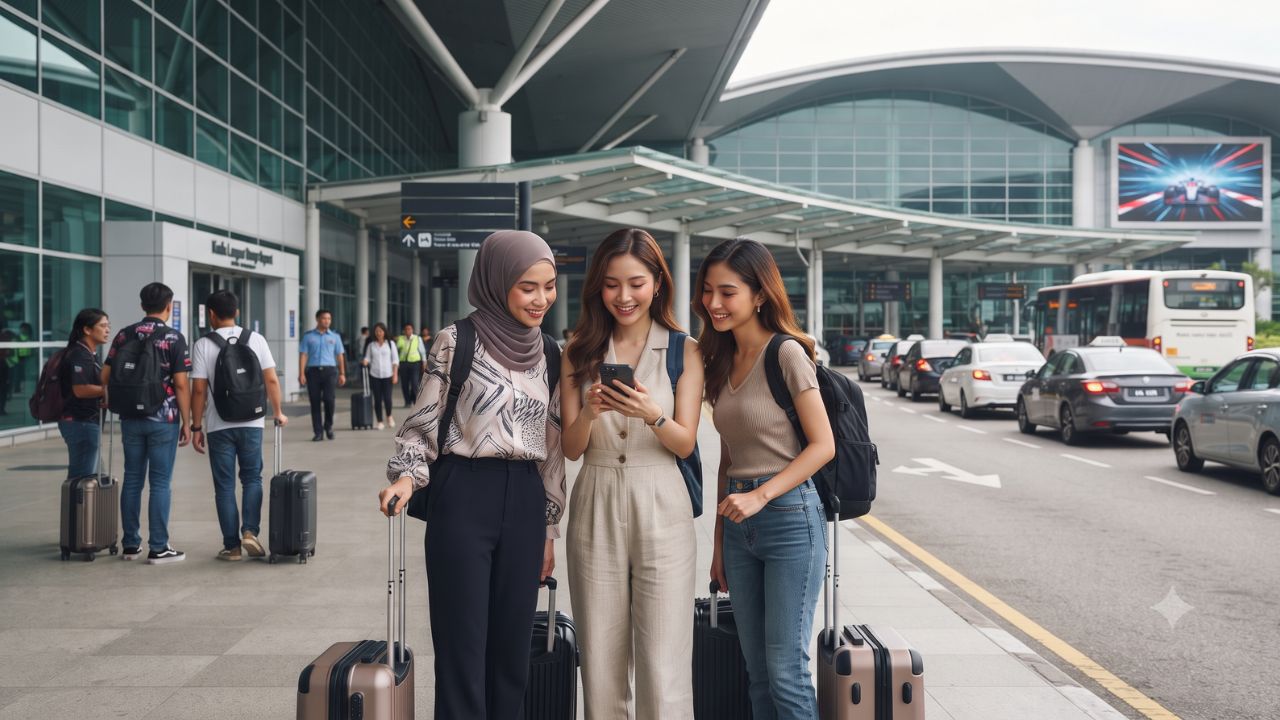
Because the Sepang International Circuit shares its main expressway access corridors directly with Kuala Lumpur International Airport, standard 45-minute road transfers from downtown Kuala Lumpur can easily exceed two and a half hours during major motorsport weekends. With the Malaysia Grand Prix taking place across the three-day weekend of 2 to 4 October 2026, airline operators and airport authorities have placed passenger terminals on high alert for severe road delays and saturated car parks.
Regional carriers, including Philippine Airlines, have issued urgent passenger advisories instructing international travelers flying out of Malaysia Airports KLIA (Terminal 1 and Terminal 2) to build significant buffer time into their itineraries. Airport parking bays across short-term and long-term facilities are anticipated to reach full capacity early each morning, prompting authorities to urge travelers to avoid private vehicles and rely on dedicated airport rail links.
Understanding the unique layout of Selangor's southern transport corridor allows savvy travelers to glide past highway bottlenecks and reach their departure gates without stress.
The Sepang Bottleneck: Why Race Weekends Gridlock Airport Access
The geographical proximity between the motorsport circuit and Malaysia's premier international gateway creates an acute traffic pinch point. Both facilities branch off the North-South Expressway Central Link (ELITE Highway / E6) and the KLIA Extension Highway. When over 80,000 motorsport enthusiasts descend upon Sepang alongside regular airport passengers, commercial freight, and ride-hailing vehicles, the shared highway exits experience severe slowdowns.
KLIA & SEPANG RACE WEEKEND TRANSIT COMPARISON
| Entity / Route | Metrics | Operational Status |
|---|---|---|
| Transport Mode | Downtown KL to KLIA | Reliability During GP Weekend |
| KLIA Ekspres Train | 28 Minutes Non-stop | 100% Jam-Free (Direct Rail) |
| (From KL Sentral) | Every 15-20 mins | Highly Recommended |
| KLIA Transit Train | 35 Minutes (3 stops) | 100% Jam-Free; connects to |
| (From Bandar Tasik) | Every 15-30 mins | Putrajaya & Cyberjaya hubs |
| E-Hailing (Grab) | 90 - 150+ Minutes | High Risk of Highway Delays & |
| / Highway Taxis | Subject to gridlock | Surge Pricing Multipliers |
| Airport Terminal | Severe Capacity | High Risk of Full Lots; |
| Parking (Block A-D) | Shortages Expected | Pre-booking Required |
Compounding the highway congestion is the saturation of curbside drop-off zones at KLIA Terminal 1 and Terminal 2. E-hailing drivers returning from downtown face extended queues simply entering the terminal loops, driving up wait times and triggering automated surge pricing across popular mobility apps.
What Makes KLIA Rail Connections Different During Major Sporting Events
While road transport falters during high-profile sporting events, Malaysia's dedicated standard-gauge airport rail corridor remains completely insulated from surface traffic. Departing from the central transportation hub of KL Sentral in Brickfields, the non-stop KLIA Ekspres Rail Link reaches KLIA Terminal 1 in precisely 28 minutes and Terminal 2 in 33 minutes.
Additionally, passengers flying with participating full-service airlines can take advantage of the in-town flight check-in facility located inside KL Sentral. By dropping hold luggage and receiving boarding passes in the city center at least two hours before departure, travelers can ride the express train unencumbered, bypass terminal check-in queues, and head straight to security screening upon arrival at the airport.
Comprehensive Airport Transit Route Breakdown
| Transit Route | Departure Hub | Travel Time | Frequency | Recommended Booking Window |
|---|---|---|---|---|
| KLIA Ekspres | KL Sentral Station | 28 mins to T1 / 33 mins to T2 | Every 20 mins | Book online 24 hours in advance |
| KLIA Transit | Bandar Tasik Selatan / Putrajaya | 35 mins to T1 | Every 20–30 mins | Purchase at automated station kiosks |
| Official Airport Coach | KL Sentral / Pudu Sentral | 75 – 120 mins | Every 30 mins | Allow minimum 4 hours before flight |
| Highway E-Hailing | City Center Hotels | 90 – 160 mins | On-Demand | Not recommended during GP peak hours |
Visitor Insider Tips
Navigating the Malaysia Grand Prix weekend smoothly requires insider knowledge of local transit networks and terminal procedures:
- Bypass Highway Jams via KL Sentral Rail: Avoid booking ride-hailing cars from downtown hotels during afternoon and evening race sessions. Take the Kelana Jaya LRT line or MRT directly to KL Sentral, then board the non-stop KLIA Ekspres for guaranteed 28-minute arrival.
- Complete Airline Web Check-In 24 Hours Early: Log into your carrier's website or mobile application as soon as the 24-hour check-in window opens. Having digital boarding passes ready on your mobile device significantly reduces time spent in check-in concourses.
- Arrive at Least Four Hours Early for Long-Haul Departures: If road travel is unavoidable due to oversized luggage, leave your city accommodation at least four to five hours prior to international departures to absorb unexpected highway standstills on the ELITE expressway.
- Avoid Terminal Short-Term Parking Lots: If you must drive, do not expect open bays in Terminal 1 Blocks A, B, C, or D. Consider parking at Putrajaya Sentral Station's multi-story park-and-ride facility and completing the final leg aboard the KLIA Transit train.
- Dine at Gateway@klia2 or Anjung Tinjau: Terminal 1 landside food courts become crowded during event surges. Walk over to Gateway@klia2 via the covered bridge or visit the viewing deck dining concourse for quieter regional meals, such as Nasi Lemak and Sarawak Laksa, away from main gate areas.
Cultural and Environmental Context
Major sporting spectacles like the Formula 1 Grand Prix showcase Malaysia's world-class infrastructure and support national tourism programs coordinated by Tourism Malaysia Official Portal. However, mega-events temporarily place intense pressure on energy grids, regional municipal waste systems, and southern Selangor highway corridors.
To support sustainable event travel, state planners are actively encouraging international visitors to utilize electric rail transport. Shifting transit volume from private charter buses and rental cars to high-speed electric trains significantly lowers per-passenger carbon emissions and eases road congestion for local residents commuting between Nilai, Dengkil, and Cyberjaya. Respecting local environmental guidelines by minimizing single-use plastics at airport food courts and honoring public transport etiquette helps preserve Malaysia's welcoming hospitality.
FAQ: Navigating KLIA During Malaysia GP 2026
How early should I arrive at KLIA between 2 and 4 October 2026?
Arrive at least three hours prior to domestic flights and four hours prior to international long-haul flights if traveling by road, or 2.5 hours prior if using the non-stop KLIA Ekspres train.
Is the KLIA Ekspres train affected by Grand Prix traffic?
No. The KLIA Ekspres operates on a dedicated railway line completely separated from highway traffic, guaranteeing a 28-minute journey from KL Sentral to Terminal 1.
Can I park my car at the airport during the race weekend?
Parking bays at KLIA Terminal 1 and Terminal 2 will be extremely limited. Park at Putrajaya Sentral and take the KLIA Transit train instead.
Can I check in my luggage in downtown Kuala Lumpur?
Yes. Passengers holding valid tickets with participating carriers can drop baggage and collect boarding passes at the KL Sentral In-Town Check-In facility before boarding the express train.
By taking advantage of express rail connections and planning ahead, you can turn a potentially stressful Grand Prix travel weekend into a smooth and effortless airport journey.
Related Travel Guides
- Spain Hits 100 Million Visitor Milestone: Overtourism Caps in Barcelona and Balearics
- Papua New Guinea Travel Advisory 2026: Highlands Conflict and Port Moresby Security
- Cartagena Travel Safety Guide 2026: Historic Centre Security and Rural Protocols
- How to Navigate Major International Hubs as a Solo Traveler
Disclaimer
This article is for informational and educational purposes only. It does not constitute legal, financial, or professional advice. While we strive to provide accurate and up-to-date information, travel policies, regulations, and conditions change rapidly. Always verify information with official sources before making travel decisions. Nomad Lawyer makes no representations about the accuracy, reliability, completeness, or suitability of the information provided. Readers should consult qualified professionals for advice specific to their circumstances. The views expressed in this article are those of the author and do not necessarily reflect the views of Nomad Lawyer.
Raushan Kumar
Founder & Lead Developer
Full-stack developer with 11+ years of experience and a passionate traveller. Raushan built Nomad Lawyer from the ground up with a vision to create the best travel and law experience on the web.
Learn more about our team →