
Malaysia Airports Achieves Prestigious International Carbon Accreditation Setting New Sustainability Milestone for Global Aviation Industry in 2026
Malaysia Airports has achieved international carbon accreditation from ACI, a major milestone in its commitment to reducing its environmental impact in aviation.

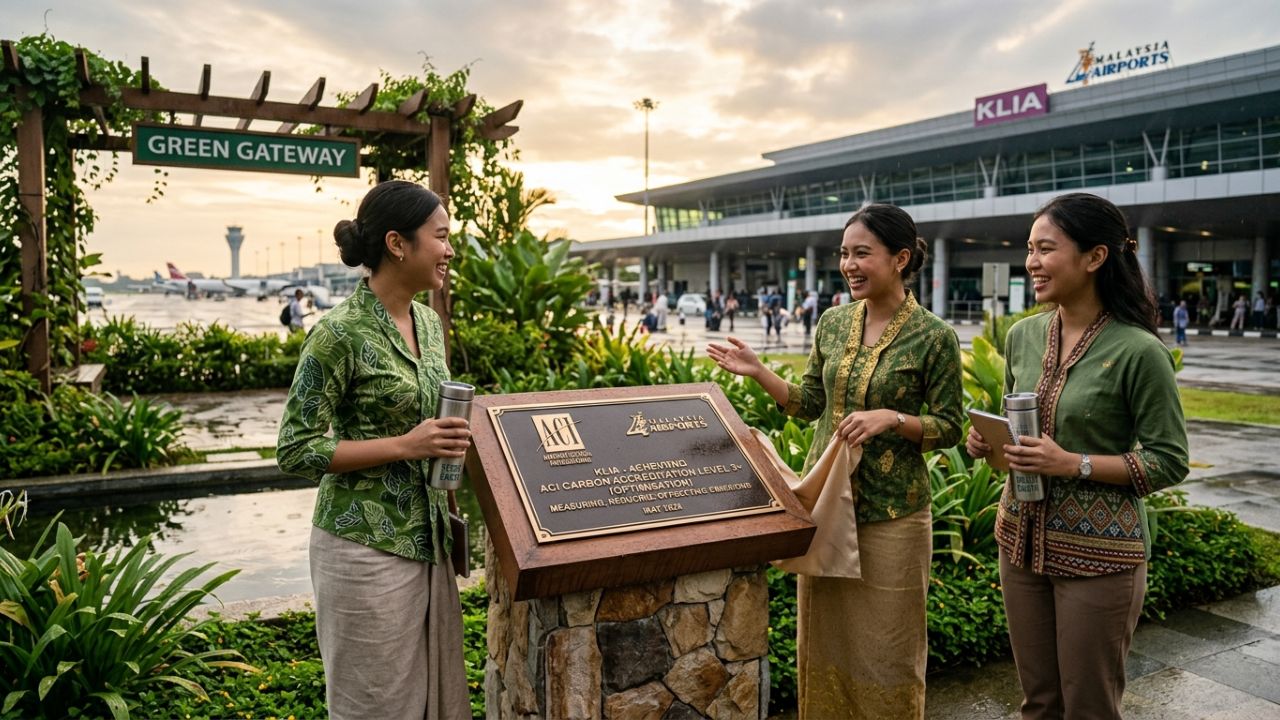
Image generated by AI
Malaysia Airports Achieves Prestigious International Carbon Accreditation Setting New Sustainability Milestone for Global Aviation Industry in 2026
Published on May 14, 2026
In a heart-stopping victory for the future of our planet, Malaysia Airports has officially achieved a landmark international carbon accreditation from the Airports Council International (ACI). This prestigious recognition marks a seismic shift in how Southeast Asian aviation hubs manage their environmental footprint, positioning Malaysia as a global leader in the fight against climate change. For travelers seeking a luxury escape or a seamless business trip, this achievement provides a new sense of belonging in an industry that is rapidly evolving toward a greener future. From massive solar power installations to high-performance energy efficiency programs, the Malaysia Airports international carbon accreditation 2026 milestone is a visceral reminder that the joy of travel can coexist with planetary stewardship. As the aviation world looks toward a net-zero horizon, this recognition sets a gold standard for world-class hospitality and operational wisdom. Discover how this sustainable pivot is redefining your next journey through Kuala Lumpur and beyond.
Quick Summary:
- Malaysia Airports has received prestigious carbon accreditation from Airports Council International (ACI) for its sustainability efforts.
- The accreditation recognizes the operator’s rigorous efforts in carbon measurement, reduction, and offsetting across its network.
- Major initiatives include the installation of large-scale solar power systems and the transition to renewable energy sources.
- The achievement makes Malaysia Airports a primary leader in sustainable aviation within the Southeast Asian region.
- Future steps include achieving even higher levels of ACI certification to reach net-zero emissions by the next decade.
- Travelers will benefit from cleaner air, reduced noise pollution, and more sustainable transportation options at key terminals.
- This milestone reinforces Malaysia's commitment to the global sustainability agenda and the protection of the planet for future generations.
The ACI Standard: Why Carbon Accreditation is a Game-Changer for Global Travel
The ACI Carbon Accreditation program is the only institutionally endorsed, global carbon management certification standard for airports. It assesses and recognizes the efforts of airports to manage and reduce their carbon emissions through six levels of certification. By achieving this accreditation, Malaysia Airports has proven its ability to measure and minimize the "True Pulse" of its carbon footprint.
This recognition is not merely a badge of honor; it is an international benchmark for progress. As the aviation industry faces increasing scrutiny over its environmental impact, Malaysia Airports is demonstrating that world-class hospitality can be delivered responsibly. For those seeking an immersive cultural experience in Malaysia, knowing that the gateway to the country is committed to the global sustainability agenda adds a deeper layer of satisfaction to the journey.
Solar Power and Green Tech: Inside Malaysia Airports’ High-Performance Sustainability Strategy
A core component of the Malaysia Airports international carbon accreditation 2026 success is the operator's heavy investment in green technology. The transition to renewable energy, particularly through massive solar power installations, has significantly lowered the reliance on fossil fuels across its terminals.
These efforts are perfect for travelers seeking a more responsible way to fly. By improving energy efficiency and optimizing ground operations, Malaysia Airports is ensuring that every takeoff and landing is part of a cleaner, more efficient ecosystem. From reducing waste and water consumption to implementing high-performance lighting systems, the airport operator is showing that "Success is the Destination" when it comes to planetary care.
Collaborative Ecosystems: Working with Airlines to Create a Greener Journey
Sustainability is a team effort, and Malaysia Airports has worked closely with stakeholders, including airlines and ground handlers, to foster a more sustainable airport ecosystem. These partnerships have been key to driving the reduction of carbon emissions across the entire aviation sector.
Passengers can now enjoy breathtaking views of green-themed lounges and eco-friendly infrastructure while benefiting from more sustainable transportation options. Whether it is the expansion of electric vehicle shuttles or the integration of bio-diverse landscaping, Malaysia Airports is creating a sense of belonging for the eco-conscious traveler. This collaborative approach ensures that the luxury escape of the future is as green as the tropical rainforests it serves to protect.
Leading the Region: How Malaysia is Setting the Pace for Southeast Asian Aviation
As one of the largest airport operators in Southeast Asia, Malaysia Airports’ achievement sets a significant example for other hubs in the region. The sector’s transition to more sustainable operations is critical to meeting global climate goals, and Malaysia is now at the forefront of this movement.
Achieving carbon accreditation validates the hard work put into sustainability programs and reinforces Malaysia's position as a global leader in sustainable aviation. The ongoing efforts to promote a healthier environment will benefit the broader community, contributing to cleaner air and reduced noise pollution. For the adventure lover exploring the wilds of Borneo or the vibrant streets of Kuala Lumpur, this milestone is a powerful reminder that the aviation industry is playing an active role in protecting the planet for future generations.
Guide for Travelers:
- Best Activities: Explore the lush vertical gardens and green-themed quiet zones in the KLIA terminals; check out the sustainability exhibition centers to learn about the airport's solar power initiatives.
- Who Should Visit: Eco-conscious travelers; luxury seekers who prioritize sustainable and responsible travel options.
- Travel Tips: Use the mobile check-in and digital boarding pass features to help the airport reduce paper waste across the network.
- Best Time to Go: 2026 is the year of the "Green Transition," with many terminals showcasing new renewable energy milestones.
- Rewards and Booking Info: Look for airlines that operate fuel-efficient aircraft or participate in carbon offset programs when flying into Malaysia.
- Transportation Tips: Utilize the electric rail links (ERL) for a low-carbon, high-speed transition from the airport to the city center.
Related Travel Guides
- Sustainable Travel in Southeast Asia: A Guide to Responsible Luxury
- Kuala Lumpur’s Green Lung: Exploring the City’s Parks and Eco-Hotels
- The Future of Flying: How LEO Satellites and Biofuels are Changing Travel
As the sun sets over the sleek, solar-panel-clad roofs of Malaysia Airports and the first evening flights begin their quiet ascent into the tropical night, the message of 2026 is one of profound environmental wisdom. We are witnessing the moment the heartbeat of the traveler finally syncs with the pulse of a more resilient global community—not as a mere transaction, but as a shared moment of blue-sky grace. There is something deeply moving about seeing a major aviation hub achieve international carbon accreditation, ensuring that every passenger finds a sense of belonging in a world that values planetary care. No matter what challenges the global horizon holds, the spirit of the 2026 Aviation Renaissance remains as vibrant as the horizon itself. The legacy planes are ready, the gates are open, and the welcome—though deeper and more heartfelt than ever—has never been more significant. The purposeful adventure starts now; the world is finally discovering the true heart of the journey.
Disclaimer
This article is for informational and educational purposes only. It does not constitute legal, financial, or professional advice. While we strive to provide accurate and up-to-date information, travel policies, regulations, and conditions change rapidly. Always verify information with official sources before making travel decisions. Nomad Lawyer makes no representations about the accuracy, reliability, completeness, or suitability of the information provided. Readers should consult qualified professionals for advice specific to their circumstances. The views expressed in this article are those of the author and do not necessarily reflect the views of Nomad Lawyer.
Kunal K Choudhary
Co-Founder & Contributor
A passionate traveller and tech enthusiast. Kunal contributes to the vision and growth of Nomad Lawyer, bringing fresh perspectives and driving the community forward.
Learn more about our team →