
MakeMyTrip and Ministry of Tourism Launch 350 Guided Cultural Tours
MakeMyTrip partners with India's Ministry of Tourism to launch 350 guided tours across 60 cities, digitizing local heritage starting at ₹500. Learn more.

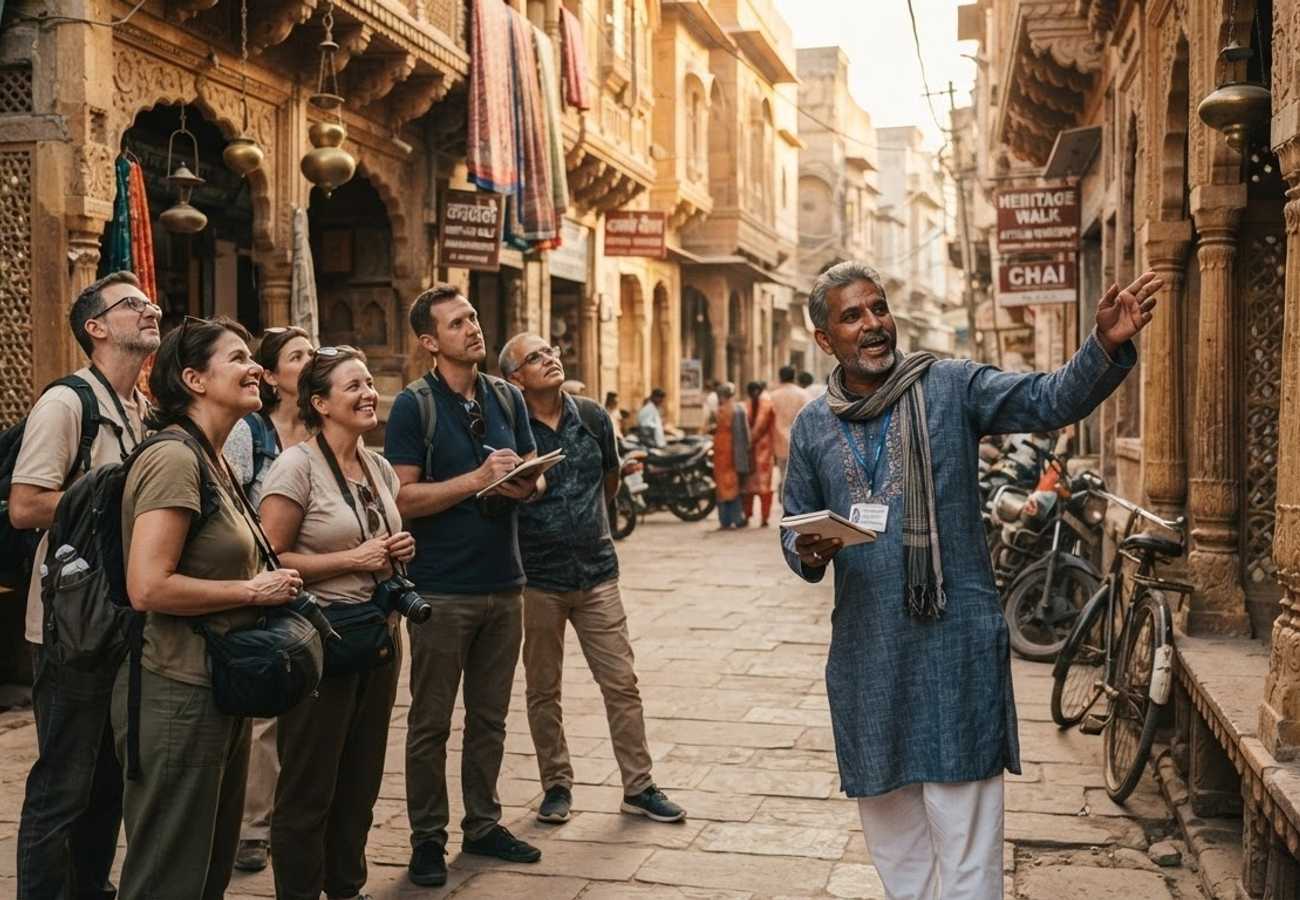
Image generated by AI
Travelers seeking authentic cultural encounters in India can access over 350 expert-led guided tours across 60 cities starting from just ₹500. Launched by MakeMyTrip in partnership with the Ministry of Tourism, this initiative digitizes local heritage while directly supporting regional economies.
Digitizing Heritage Storytelling: The Shift in Indian Domestic Tourism
The travel sector in India is experiencing a structural transition as public-private partnerships modernize domestic tourism. On Independence Day, August 15, the online travel platform MakeMyTrip announced a strategic collaboration with India's Ministry of Tourism to launch a digital catalog of over 350 guided tours across 60 cities. Operating under the national Incredible India and Dekho Apna Desh campaigns, this initiative aims to digitize access to authentic regional experiences. By integrating local storytellers and expert guides into a centralized digital booking system, the project moves beyond generic, high-volume sightseeing, prioritizing deep cultural discovery and historical storytelling. Tourism administrators note that this digital transition is vital for making regional travel more organized and accessible to both domestic and international visitors.
For the modern traveler, this digital transition addresses a long-standing discovery gap. Finding verified, high-quality local guides in historic Indian cities has traditionally been difficult, often forcing visitors to rely on unverified street operators or informal word-of-mouth recommendations. The new platform resolves these fragmented networks, allowing passengers to pre-plan their itineraries with precision. Tour options are structured into distinct categories, including walking tours through historic city centers, active cycling expeditions, vehicle-based sightseeing, and multi-day immersive programs.
Specific highlights within the program include tea-tasting sessions in the mountain valleys of Palampur, ghost walks through the colonial-era lanes of Mussoorie, and heritage walks through Mumbai's historic districts, including visits to the iconic Dhobi Ghat. The starting price of ₹500 makes these tours highly accessible, allowing both domestic and international travelers to explore regional traditions, culinary history, and artisanal crafts with ease. As the platform continues to expand, travelers can filter experiences based on their specific destinations and cultural interests, creating a unified and transparent domestic travel marketplace.
Empowering Local Guiding Networks and Promoting Low-Impact Travel
The digitization of regional guiding networks provides significant support to local tourism communities and promotes sustainable travel practices. Historically, local guides operated in an uncoordinated, informal system where they faced low wage stability and high dependence on middleman commissions. By registering these experts on a transparent digital platform, the Ministry of Tourism and MakeMyTrip directly support the local economy. Standardizing tour prices ensures that guides receive fair, consistent compensation while allowing them to showcase their heritage to a globalized audience. This technology integration helps bring informal workers into the formal banking and taxation system, enabling them to access credit and government welfare benefits.
For the visitor, the real impact of these guided tours lies in the opportunity to practice low-impact travel and preserve intangible cultural heritage. Walking tours and cycling expeditions promote zero-emission exploration of historic cities, minimizing the congestion and carbon footprint associated with vehicle transit. These slow-travel options encourage visitors to spend more time in regional communities, contributing directly to independent shops, street food vendors, and family-owned restaurants. Furthermore, by learning about local traditions—such as hand-block printing in Jaipur, tea cultivation in Himachal Pradesh, or temple rituals in Uttar Pradesh—travelers help sustain multi-generational heritage. Storytelling-focused tourism builds respect for local customs, fostering a sustainable growth model that balances visitor curiosity with community preservation and ecological balance.
Destination Specialist Guide: Regional Specialties, Etiquette, and Hidden Trails
To ensure a culturally respectful and authentic journey through these diverse destinations, local specialists recommend several practical tips:
-
Varanasi (Uttar Pradesh):
- Gastronomy: Try Malaiyo, a seasonal winter dessert made of aerated milk foam flavored with saffron, pistachios, and cardamom, or sample savory tamatar chaat at local street stalls.
- Cultural Etiquette: Dress modestly when visiting sacred temples or attending the evening Ganga Aarti at the ghats. Keep shoulders and knees covered, and remove footwear before entering any temple complex.
- Under-the-Radar Spot: Take a quiet sunrise boat ride starting from Assi Ghat to observe the morning bathing rituals along the river banks away from the main daytime crowds.
- Off-Peak Window: Travel during the cooler winter months between November and February.
-
Jaipur (Rajasthan):
- Gastronomy: Order traditional Dal Baati Churma (baked wheat balls served with lentil curry and sweetened wheat flour) or try spicy Pyaaz Kachori.
- Cultural Etiquette: Avoid handing items or cash to locals with your left hand, as it is considered impolite. Always use your right hand.
- Under-the-Radar Spot: Visit the Anokhi Museum of Hand Printing near Amber Fort to learn about the preservation of traditional block-printing techniques in a quiet, restored haveli.
-
Palampur (Himachal Pradesh):
- Gastronomy: Sample local Kangra tea and try Siddu, a traditional steamed bread filled with walnuts and local herbs.
- Under-the-Radar Spot: Take a quiet walk through the pine forests surrounding the Bundla Stream or tour the family-operated Wah Tea Estate.
-
Mussoorie (Uttarakhand):
- Gastronomy: Sample Garhwali dishes like Chainsoo (spiced black gram dal) at local taverns.
- Under-the-Radar Spot: Walk to Landour, a quiet cantonment town adjacent to Mussoorie, and visit the historic Char Dukan area for ginger tea and pancakes.
-
Mumbai (Maharashtra):
- Dhobi Ghat Etiquette: When photographing the historic open-air laundry at Dhobi Ghat, always respect the privacy of the workers and avoid blocking transit pathways.
Standardizing Domestic Experiences and the Future of India's Travel Marketplace
The regularization of these guided tours represents a major shift in how domestic travel services are delivered in India. Traditionally, regional tourism relied on unverified operators, which often led to inconsistent service quality, pricing disputes, and a lack of standardized safety protocols. By integrating these tours into a transparent, regulated digital marketplace, the Ministry of Tourism ensures a higher degree of trust and reliability for travelers. Standardizing pricing across tours also removes the need for haggling, which is a common pain point for international visitors exploring historic hubs.
This public-private partnership aligns with long-term infrastructure upgrades promoted by the Indian government and heritage preservation bodies like the Indian National Trust for Art and Cultural Heritage (INTACH). Empowering local guides to serve as cultural ambassadors helps protect historical sites from the negative impacts of mass, unregulated tourism. By managing visitor flow through scheduled walking and cycling tours, the network prevents overcrowding at sensitive monuments, maintaining the integrity of the heritage sites. Furthermore, these certified guides undergo structured training to ensure factual accuracy and high standards of hospitality.
As the program expands to include more destinations, this technology-driven model will remain essential for supporting sustainable regional development. The direct connection between digital booking platforms and local guide networks demonstrates how technology can strengthen regional labor markets while preserving intangible cultural assets. For travelers, this shift provides a more authentic and rewarding way to explore India, ensuring that the economic benefits of tourism are shared equitably with the local communities who preserve the country's unique heritage. This unified approach positions the Indian domestic market for steady growth, ensuring long-term utility for local communities and travelers alike.
Related Travel Guides
Disclaimer
This article is for informational and educational purposes only. It does not constitute legal, financial, or professional advice. While we strive to provide accurate and up-to-date information, travel policies, regulations, and conditions change rapidly. Always verify information with official sources before making travel decisions. Nomad Lawyer makes no representations about the accuracy, reliability, completeness, or suitability of the information provided. Readers should consult qualified professionals for advice specific to their circumstances. The views expressed in this article are those of the author and do not necessarily reflect the views of Nomad Lawyer.
Raushan Kumar
Founder & Lead Developer
Full-stack developer with 11+ years of experience and a passionate traveller. Raushan built Nomad Lawyer from the ground up with a vision to create the best travel and law experience on the web.
Learn more about our team →