
Los Angeles Tourism Surge After FIFA World Cup 2026 Sets Stage for Super Bowl LXI and LA28 Olympics
Following a massive $892 million economic boost from the FIFA World Cup 2026, Los Angeles is leveraging a new sustainable infrastructure model to prepare for Super Bowl LXI and the LA28 Olympic Games.

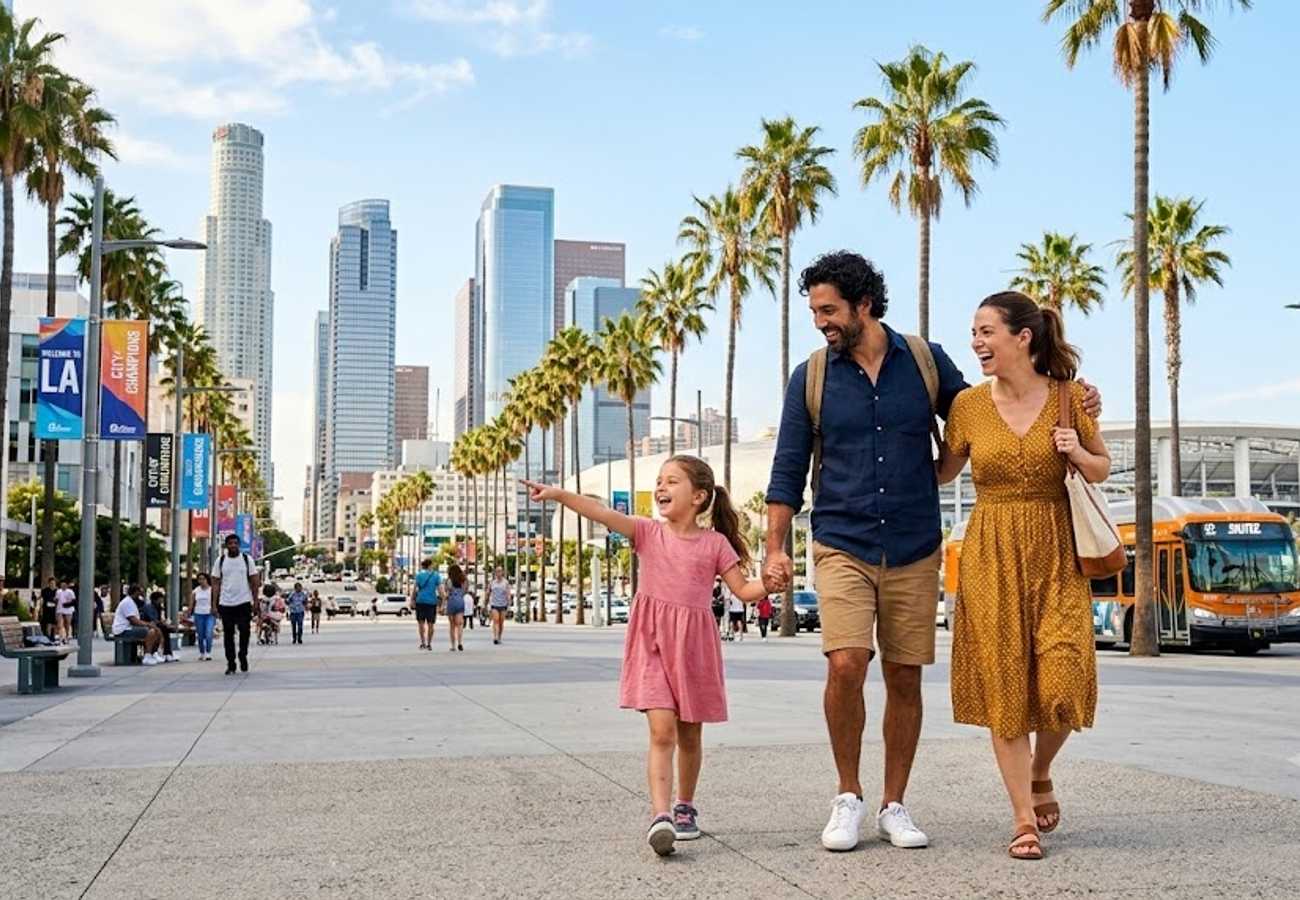
Image generated by AI
The FIFA World Cup 2026 injected a projected $892 million into Los Angeles County, proving the city can handle massive global surges. This momentum now pivots toward Super Bowl LXI and the LA28 Olympics, marking a historic shift in how mega-events are hosted.
The Local Trend Revealed: The "Event-Sprinting" Strategy
Los Angeles is currently executing a high-intensity sequence of global events designed to permanently elevate its tourism floor. The success of the FIFA World Cup 2026 served as a stress test for the city's infrastructure, welcoming over 560,000 spectators across eight matches at Los Angeles Stadium.
Rather than treating these as isolated events, the city has integrated them into a long-term economic roadmap. The "fan experience" has moved beyond the stadium; the FIFA Fan Festival™ at the Historic Memorial Coliseum and ten Official Los Angeles World Cup 26 Fan Zones drew an additional 250,000 visitors. This trend of "city-wide activation"—where 300 community events turned neighborhoods into destinations—is the blueprint for what visitors can expect during the upcoming Super Bowl LXI in 2027 and the 2028 Olympic and Paralympic Games.
Cultural & Environmental Value: A New Model for Sustainability
For the modern traveler, the most significant shift is the move away from "white elephant" architecture. LA28 is introducing a sustainability pivot that is virtually unprecedented in the modern era. Los Angeles will be the first Summer Olympic host since London 1948 to avoid constructing new permanent infrastructure.
By utilizing existing world-class facilities and temporary venues, the city is prioritizing environmental stewardship and fiscal responsibility. This approach allows the regional heritage to remain intact while upgrading the visitor experience through technology and transit rather than concrete. The real impact for the visitor is a more authentic exploration of the city, as events are woven into the existing urban fabric rather than isolated in new, sterile complexes.
Infrastructure and Economic Impact Data
The scale of the recent tourism boom is reflected in the hard numbers. The synergy between sports and local commerce has created a ripple effect across the hospitality and transport sectors.
| Metric | Impact / Figure | Detail |
|---|---|---|
| Projected Economic Impact | $892 Million | Direct impact across Los Angeles County |
| Long-term Economic Value | > $1 Billion | Combined tourism and infrastructure benefits |
| World Cup Stadium Attendance | 560,000+ | Total spectators for eight matches |
| Fan Zone Attendance | 250,000+ | Visitors to Fan Festival and 10 Fan Zones |
| Transit Volume | 200,000+ | Rides provided via LA Metro Games Bus Service |
| LA28 Sporting Scope | 51 Sports | Including flag football, cricket, and squash |
Visitor Insider Tips: Navigating the New LA
To avoid the crowds and experience the city like a local during these high-traffic windows, keep these insights in mind:
- Transit Strategy: Skip the ride-shares during major events. The LA Metro's enhanced Games Bus Service and the LAX Automated People Mover are the most efficient ways to bypass the notorious 405 and 101 freeway congestion.
- Off-Peak Exploration: Visit the new Lucas Museum of Narrative Art or the David Geffen Galleries at LACMA during mid-week mornings to avoid the "event-weekend" crowds.
- Hidden Gems: While the stadiums draw the masses, explore the San Pedro West Harbor waterfront for a more relaxed, maritime-focused entertainment experience.
- Dining Etiquette: With the city's rise in Michelin Guide and James Beard recognition, high-end dining now requires bookings weeks in advance during "event seasons." Look for "pop-up" culinary experiences in diverse neighborhoods for a more authentic taste of the city.
Tourism Outlook: The 2028 Horizon
The trajectory for Los Angeles is an aggressive climb. The transition from the World Cup to Super Bowl LXI and finally to the Olympic Games (July 14–30, 2028) and Paralympic Games (August 15–27, 2028) ensures a constant stream of international investment.
The city is successfully blending its identity as a global entertainment capital with a new commitment to sustainable urbanism. By integrating new attractions like the California Science Center’s Samuel Oschin Air and Space Center and Universal Studios Hollywood’s Fast & Furious: Hollywood Drift, LA is ensuring that it remains a year-round destination, not just a stopover for sports fans.
Los Angeles is no longer just hosting the world; it is redefining how the world visits.
Related Travel Guides
Disclaimer
This article is for informational and educational purposes only. It does not constitute legal, financial, or professional advice. While we strive to provide accurate and up-to-date information, travel policies, regulations, and conditions change rapidly. Always verify information with official sources before making travel decisions. Nomad Lawyer makes no representations about the accuracy, reliability, completeness, or suitability of the information provided. Readers should consult qualified professionals for advice specific to their circumstances. The views expressed in this article are those of the author and do not necessarily reflect the views of Nomad Lawyer.
Kunal K Choudhary
Co-Founder & Contributor
A passionate traveller and tech enthusiast. Kunal contributes to the vision and growth of Nomad Lawyer, bringing fresh perspectives and driving the community forward.
Learn more about our team →