
Lake America Maps Change: Global Guide to Geographic Name Changes
A US executive order changes Lake Ontario's name to Lake America on US maps, creating digital navigation challenges for border travelers. Read our guide.

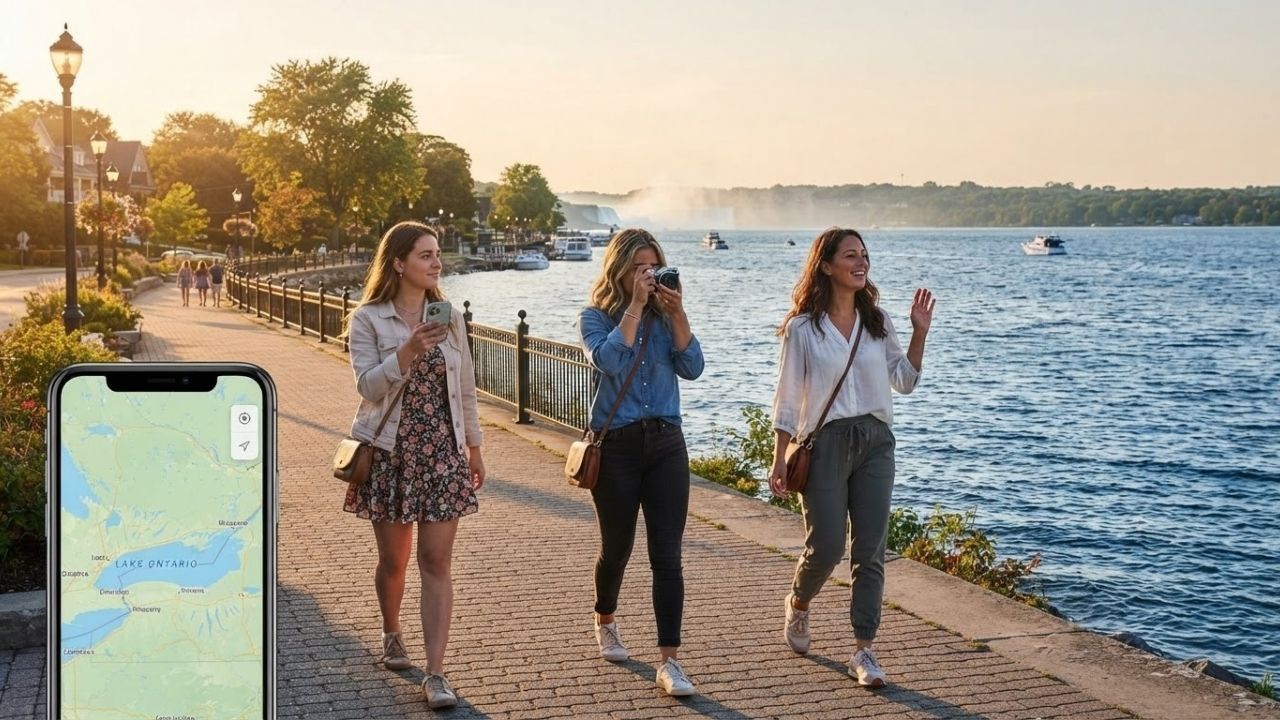
Image generated by AI
A major geographic naming dispute has emerged along the Canada-US border, as a US executive order officially renames Lake Ontario to Lake America on domestic maps. This digital labeling shift is creating navigation challenges for the millions of international tourists visiting the Great Lakes region.
The Digital Border Shift on Google Maps
The naming update represents more than an administrative adjustment for cross-border travelers. Following a US executive order on August 27, 2026, which instructed the Interior Department to update geographic records within 30 days, the Geographic Names Information System (GNIS) has removed federal references to Lake Ontario and replaced them with Lake America.
Google subsequently confirmed that its US Maps platform would adopt the GNIS terminology. As a result, the displayed geographic name now depends on the user's location and device settings:
- US Users: Google Maps displays "Lake America."
- Canadian Users: Google Maps continues to display "Lake Ontario."
- International Users: Both names are displayed.
For tourists driving from Toronto to New York State, GPS routing applications can display different names for the same body of water, depending on which cellular network the mobile device connects to near the border.
Great Lakes Tourism Metrics
The naming dispute affects one of North America's most active tourism corridors. The Great Lakes region supports massive visitor volume and economic activity:
- Ontario Tourism Share: The province records 42% of Canada’s international visits.
- GDP Contribution: Tourism contributes C$30.9 billion to Ontario's GDP.
- Tourism Businesses: The province hosts approximately 109,000 tourism-related businesses.
- Niagara Region Visitors: Niagara Region Tourism records approximately 14 million annual visitors, including 12 million to Niagara Falls itself, with peak traffic occurring from July through September, followed by April through June.
These numbers demonstrate why changes to geographic databases can affect millions of travelers researching routes, hotels, and shoreline activities.
Precedents in Geographic Naming Disputes
Geographic naming updates and location-sensitive digital maps have occurred in other popular travel regions.
1. Gulf of Mexico vs. Gulf of America
In February 2025, the US GNIS formally changed the US federal name from Gulf of Mexico to Gulf of America. Google Maps adapted its display according to the user's SIM card and network locale: US devices showed "Gulf of America," Mexican devices showed "Gulf of Mexico," and international users saw both labels.
2. Denali and Mount McKinley
In Alaska, the National Park Service records that the park was established in 1917 as Mount McKinley National Park, before being officially renamed Denali National Park and Preserve in 1980. The park, covering 6.08 million acres (9,492 square miles), has seen steady visitor growth:
- 2020: 54,850 visitors
- 2021: 229,521 visitors (generating US$255 million in visitor spending)
- 2022: 427,562 visitors (generating US$475 million in visitor spending)
- 2023: 498,722 visitors (generating US$559 million in visitor spending, with an economic output of US$840 million)
- 2025: 543,300 recreation visitors (representing a 16.53% increase from 2024)
3. Sagarmatha vs. Mount Everest
In Nepal, the government officially refers to Sagarmatha National Park, the UNESCO World Heritage site surrounding Mount Everest. Tourism statistics from the Nepal Tourism Board (NTB) show a strong recovery in international arrivals:
- 2021: 150,962 arrivals
- 2022: 614,869 arrivals
- 2023: 1,014,882 arrivals
- 2024: 1,147,548 arrivals
- 2025: 1,158,459 arrivals (representing 96.8% of the 2019 pre-pandemic level of 1,197,191 visitors)
For 2025, India remained the largest source market with 292,438 visitors, followed by the United States with 112,316 and China with 95,480.
Nepal Monthly Visitor Data, 2021–2025
| Month | 2021 | 2022 | 2023 | 2024 | 2025 |
|---|---|---|---|---|---|
| Jan | 8,874 | 16,975 | 55,074 | 79,101 | 79,991 |
| Feb | 9,266 | 19,856 | 73,255 | 97,423 | 96,880 |
| Mar | 15,254 | 42,152 | 99,426 | 128,167 | 121,687 |
| Apr | 22,732 | 61,589 | 98,773 | 111,382 | 116,490 |
| May | 1,531 | 54,093 | 77,703 | 90,205 | 86,216 |
| Jun | 1,187 | 46,957 | 72,250 | 76,733 | 76,425 |
| Jul | 3,093 | 44,462 | 57,726 | 64,598 | 70,193 |
| Aug | 6,093 | 41,304 | 67,153 | 72,717 | 88,680 |
| Sep | 9,907 | 58,314 | 91,012 | 96,302 | 78,711 |
| Oct | 23,338 | 88,582 | 117,306 | 124,391 | 128,443 |
| Nov | 26,135 | 72,653 | 108,630 | 114,496 | 116,553 |
| Dec | 23,552 | 67,932 | 96,574 | 92,033 | 98,190 |
| Total | 150,962 | 614,869 | 1,014,882 | 1,147,548 | 1,158,459 |
The data shows significant seasonality: October was Nepal's busiest month in 2025 with 128,443 arrivals, followed by March with 121,687. July recorded the lowest volume with 70,193 arrivals.
Local Insider Secrets for Savvy Holiday Travelers
To navigate geographic name changes and seasonal shifts, implement these tips:
- Search by Landmark Coordinates: When booking hotels or routing GPS on the Canada-US border, search using specific city names, street addresses, or geographic coordinates rather than searching "Lake Ontario" or "Lake America."
- Niagara Off-Peak Travel: Peak season at the falls runs July to September. Visit in May or October to enjoy cooler weather and avoid long queues for the Maid of the Mist.
- Denali Transit Bookings: Private cars are restricted past mile 15 on Denali Park Road. Book the official NPS transit buses several months in advance for wildlife excursions.
- Everest Shoulder Window: October is Nepal's busiest trekking month (128,443 arrivals in 2025). Choose late March (121,687 arrivals) to enjoy clear skies with slightly fewer trail crowds.
- Verify Guidebook Terminology: When using older guidebooks for Alaska or Nepal, cross-reference "Mount McKinley" with "Denali" and "Sagarmatha" with "Everest" to find correct trails and offices.
Sustainable Tourism and Local Community Support
Geographic naming updates do not change the physical environment. The water, mountains, trails, and communities remain. Travelers can support sustainable tourism by directly contributing to local border economies.
In the Great Lakes, support independent Bajan-style or local fish joints, stay in community-owned cabins, and hire local guides. In Denali, taking the shared park transit buses reduces wildlife disturbance and emissions. In Nepal, booking directly with Sherpa-led operators and using water filters rather than single-use plastic bottles protects the Sagarmatha environment and keeps tourism revenue in local hands.
Related Travel Guides
Canada-US Cross-Border Tourism Shift: BC Premier Urges Domestic Holidays Amid Trade Dispute
Nepal Travel Alert: Himalayan Flood Raises Tourism Safety Concerns
Great Lakes Road Trip Guide: Sights, Routes & Tips, According to Reddit
Disclaimer
This article is for informational and educational purposes only. It does not constitute legal, financial, or professional advice. While we strive to provide accurate and up-to-date information, travel policies, regulations, and conditions change rapidly. Always verify information with official sources before making travel decisions. Nomad Lawyer makes no representations about the accuracy, reliability, completeness, or suitability of the information provided. Readers should consult qualified professionals for advice specific to their circumstances. The views expressed in this article are those of the author and do not necessarily reflect the views of Nomad Lawyer.
Raushan Kumar
Founder & Lead Developer
Full-stack developer with 11+ years of experience and a passionate traveller. Raushan built Nomad Lawyer from the ground up with a vision to create the best travel and law experience on the web.
Learn more about our team →