US Sanctions on Iranian Airlines: Impact on Türkiye and India Travel Industry Guide 2026

While sensational headlines suggest sweeping new travel restrictions, the US Treasury's 4 November 2026 sanctions under Operation Economic Outcast strictly target commercial logistics contractors—leaving general leisure tourism across Istanbul, Antalya, Delhi, and Mumbai completely unaffected. Administered by the Office of Foreign Assets Control (OFAC), the targeted measures penalize Turkish airport ground-handling firm Fugo Ground Services Inc for servicing blacklisted Iranian carriers, alongside an India-based maritime registration network linked to petroleum transport.
For international travelers, distinguishing between commercial enforcement actions and passenger border policies is essential. The new designations do not establish a travel ban, do not revoke tourist visas, and do not trigger widespread cancellations of scheduled commercial flights. Leisure visitors, business travelers, and cruise passengers can continue planning journeys across Türkiye and South Asia without disruption, provided they understand how aviation supply chain compliance functions behind the scenes.
Operation Economic Outcast: Deconstructing the Treasury Designations
The enforcement package announced on 4 November 2026 represents the latest phase of the US Treasury’s Operation Economic Outcast, designed to restrict financial and operational support flowing toward Iranian state-linked commercial interests. Rather than penalizing sovereign governments or ordinary citizens, OFAC targeted specific corporate intermediaries accused of facilitating transport logistics.
In Türkiye, regulatory scrutiny focused on Fugo Ground Services Inc, a private ground-handling contractor operating across major Turkish commercial airports. According to official Treasury findings, Fugo maintained active airport service contracts with six sanctioned Iranian passenger airlines: Iran Air Tour, Saha Airlines, Sepehran Airlines, Varesh Airlines, Taban Airlines, and Ata Airlines. Despite previous warnings, the company reportedly continued providing essential ramp services, baggage transfer handling, aircraft marshaling, and turnaround logistics. Official documentation and sanction listings can be verified through the US Department of the Treasury.
Simultaneously, OFAC designated an Indian maritime documentation network involving individuals Suniel Kumar Sharma and Jaspreet Preeti Shahid. The Treasury alleged that this operation managed corporate entities including Oceaniek Technologies India and Aryavart Ship Management Private Limited to furnish fraudulent vessel registrations and misleading maritime certifications. These deceptive documents allowed commercial tankers moving Iranian petroleum to present false flags of convenience, frequently operating without verified protection and indemnity insurance. The action targets commercial maritime paperwork and does not restrict Indian nationals or leisure passenger shipping.
Aviation Ground Handling vs Passenger Rights: What Really Changes
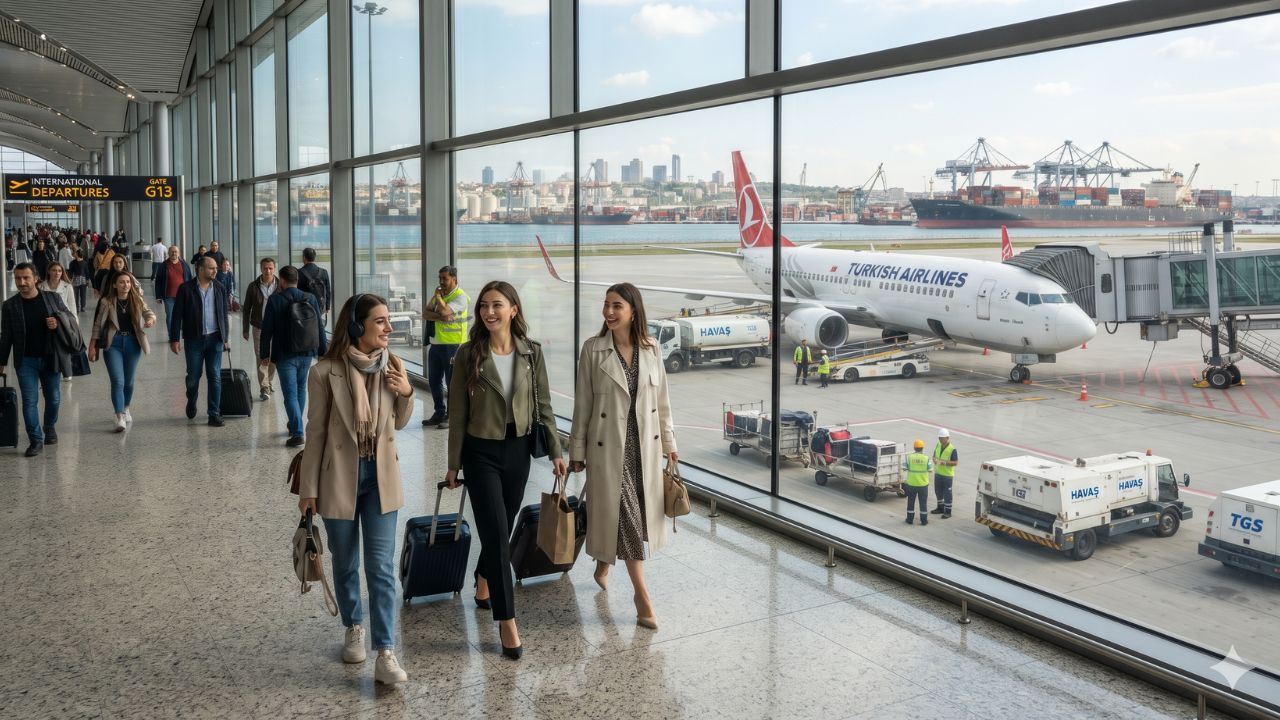
To understand why everyday travelers remain unaffected, one must separate airport ground operations from scheduled airline ticketing. Ground handlers perform technical apron duties: attaching baggage carts, towing aircraft, operating passenger boarding stairs, and coordinating refueling. When OFAC blacklists a ground-handling contractor like Fugo, foreign companies subject to US legal jurisdiction cannot conduct commercial transactions with that specific firm.
However, OFAC designations do not cancel international air route rights or shut down airports. Scheduled passenger flights between Istanbul and international destinations continue operating normally on Turkish Airlines, Pegasus Airlines, and other major carriers. Even for flights operated by the six named Iranian airlines, any operational hurdles stem from finding alternative ground-service suppliers in Türkiye rather than legal bans on passenger movement.
Similarly, maritime sanctions targeting oil tanker documentation have zero legal bearing on international passenger cruises or coastal ferry lines. Cruise lines operating in the Mediterranean, Aegean, or Indian Ocean operate under established international maritime certifications with premier global insurers. Travelers booked on Aegean voyages or Indian coastal excursions face no regulatory obstacles.
US Sanctions Breakdown: Targeted Entities and Traveler Realities
The table below clarifies the exact scope of the 4 November 2026 OFAC designations, comparing the targeted commercial entities against actual traveler realities.
| Designated Entity / Network | Operational Base | Industry Sector | Alleged Activity Under US Sanctions | Actual Impact on Travelers |
|---|---|---|---|---|
| Fugo Ground Services Inc | Türkiye | Commercial Airport Ground Handling | Servicing six sanctioned Iranian airlines (Iran Air Tour, Saha, Sepehran, Varesh, Taban, Ata) | Zero impact on major carriers; minor schedule checks for regional Iranian airline tickets |
| Oceaniek Technologies India | India | Maritime Software & Registration | Providing fraudulent vessel documentation for petroleum transport | Zero impact on Indian tourism, passenger travel, or commercial cruise operations |
| Aryavart Ship Management Pvt Ltd | India | Maritime Technical Management | Operating commercial tankers without valid maritime certifications | Zero impact on domestic transport, hotel bookings, or international flights |
| Suniel Kumar Sharma & Associates | India | Maritime Documentation Network | Facilitating deceptive flag-registry websites and paperwork | Zero restrictions on Indian passport holders or foreign tourist arrivals |
Visitor Insider Tips: Navigating Turkish and Indian Transit Amid Regulatory Shifts
For travelers planning trips through Türkiye or India, keeping these practical travel strategies in mind guarantees smooth journeys:
- Book Mainline Flag Carriers for Regional Transit: If flying between the Middle East, Central Asia, and Türkiye, book established operators like Turkish Airlines or Pegasus Airlines. These carriers maintain strict global compliance standards and fully independent ground operations, completely insulated from secondary sanctions. Destination planning resources are available via Go Türkiye.
- Verify Travel Insurance Sanctions Clauses: Review the fine print of your comprehensive travel insurance policy before departure. Standard policies often contain exclusion clauses regarding government sanctions, armed conflict zones, or uncertified regional carriers. Ensure your medical and trip-cancellation coverage remains fully valid for your specific flight itinerary.
- Confirm Reservations on Regional Iranian Carriers: If holding tickets on Iran Air Tour, Saha Airlines, Sepehran Airlines, Varesh Airlines, Taban Airlines, or Ata Airlines, check directly with ticket issuers 48 hours prior to departure to verify turnaround arrangements at Turkish airports like Istanbul (IST) or Sabiha Gökçen (SAW).
- Prepare Dual Payment Methods in Istanbul and Delhi: While major international credit cards function smoothly across hotels and restaurants in Istanbul and Mumbai, local handicraft bazaars and street markets operate on cash. Maintain access to local currencies (Turkish Lira and Indian Rupee) through bank ATMs inside terminal arrivals halls.
- Take Advantage of Streamlined Indian E-Visas: International travelers exploring Delhi, the Golden Triangle, or Mumbai should secure their electronic visas through official government channels well in advance, utilizing planning tools from Incredible India.
Cultural and Environmental Context: Aviation Supply Chains and Maritime Safety
The November 2026 sanctions spotlight the growing connection between geopolitical regulatory compliance and environmental safety. In commercial aviation, reputable ground-handling operations ensure that aircraft turnarounds meet international environmental and safety standards, from noise suppression to proper ramp waste disposal. Maintaining transparent supply chains ensures that airports like Istanbul and Delhi remain safe international transit hubs.
In the maritime domain, fraudulent vessel certification poses severe environmental risks to shared oceanic waters. Tankers operating under dubious flag registrations frequently lack legitimate Protection and Indemnity (P&I) insurance coverage. If an uncertified vessel experiences a structural failure, hull breach, or collision along sensitive shipping lanes in the Arabian Sea or Persian Gulf, the lack of verified insurance complicates emergency cleanup operations, threatening coastal marine ecosystems, artisanal fisheries, and shoreline tourism communities. Strict maritime oversight safeguards both global commerce and fragile marine habitats.
FAQ: Traveling to Türkiye and India Under Recent Sanctions 2026–2027
Does the latest US Treasury announcement ban travel to Türkiye or India?
No. The sanctions target specific corporate entities involved in aviation ground handling and maritime oil shipping. Ordinary leisure and business travel to both countries remains completely unrestricted.
Are flights between Türkiye and Iran currently cancelled?
No widespread flight cancellations were announced. Scheduled commercial flights operate normally, though airlines relying on designated ground handlers may need to adjust local servicing contracts.
Will international airfares to Istanbul or Delhi increase because of these sanctions?
There is no verified evidence linking these targeted compliance actions to rising consumer airfares. Flight prices continue to be determined by fuel costs, seasonal demand, and seat capacity.
Are cruise ships or passenger ferries affected by the maritime sanctions?
No. The maritime designations strictly involve commercial petroleum tankers and fraudulent registration paperwork. Commercial cruise lines and passenger ferries operate under separate, fully certified international safety frameworks.
By understanding the boundary between corporate regulatory enforcement and consumer travel, independent adventurers can explore Türkiye and India with complete confidence.
Related Travel Guides
This article is for informational purposes. Flight routes, passenger regulations, visa rules, and transit advisories are subject to change by airlines and aviation authorities. Readers are advised to verify schedules and travel documentation with relevant carriers and border agencies before departure.
Related Stories
Fifth-Freedom Flight Guide: Luxury Wide-Body Cabins on Regional Routes at Local Fares

Airline Boarding Pass Tourist Perks: Guide to Discounts Across Thailand, UAE, and Asia 2026