
Delhi Airport Outlines Master Plan to Handle 125 Million Passengers
Delhi International Airport Limited (DIAL) unveils a 2032 master plan to boost annual passenger capacity from 106 million to 125 million.

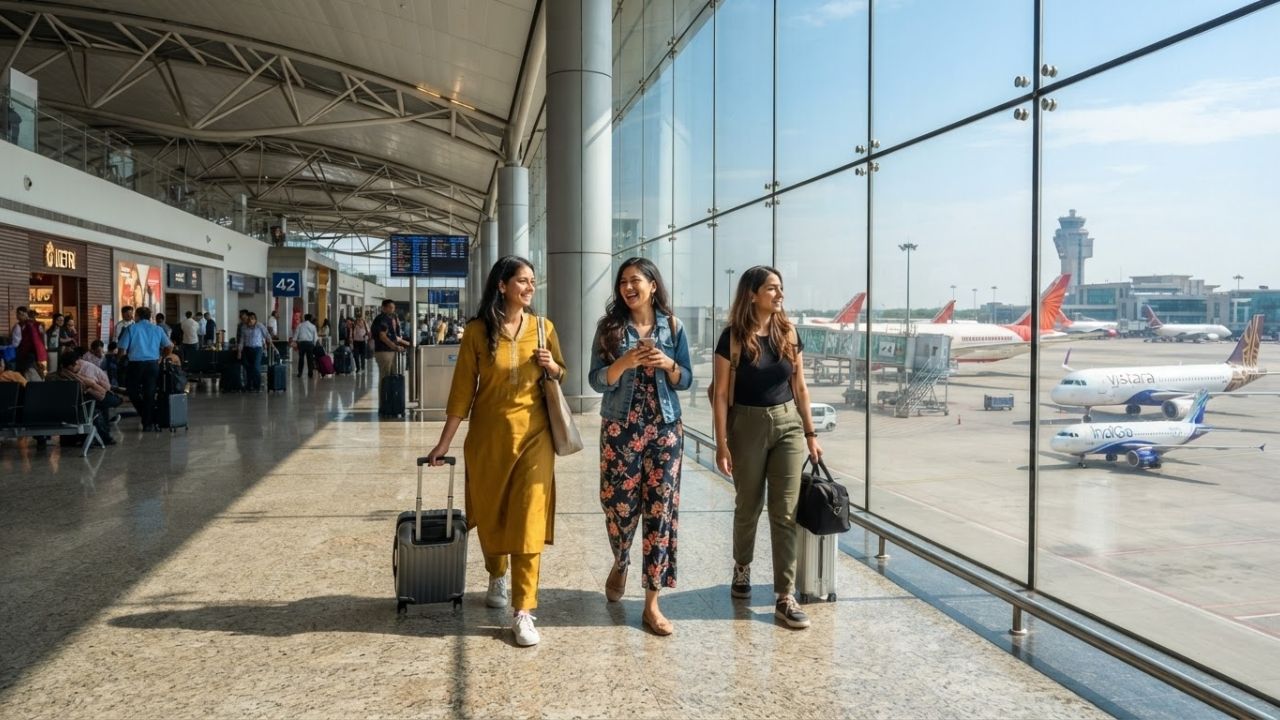
Image generated by AI
Delhi International Airport Limited (DIAL) has drafted a 2032 master plan to expand Indira Gandhi International Airport's (IGIA) annual capacity from the current 106 million to 125 million passengers. Driven by the construction of a new Pier E at Terminal 3 by April 2030, this multi-phase infrastructure project aims to strengthen India's primary aviation gateway.
Phase 1 Milestone: Terminal 3 Pier E Construction by 2030
The travel sector in India is experiencing a transition as planners build regional destinations to diversify visitor experiences. In August 2026, the capacity development strategy at Indira Gandhi International Airport is offering travelers a modernized hub that supports global aviation connectivity.
By establishing these seasonal travel corridors, the airline's management aims to support both business and leisure travel flows. Corporate travelers and travel agencies, which maintain strong relationships with global destination management organizations, benefit from direct seat capacity. This economic integration supports the travel sector, providing service providers with a reliable channel for high-value bookings.
By establishing these seasonal travel corridors, the airline's management aims to support both business and leisure travel flows. Canadian corporate travelers and travel agencies, which maintain strong relationships with European and Asian destination management organizations, would benefit from direct seat capacity. This economic integration supports the travel sector, providing service providers with a reliable channel for high-value bookings.
By establishing these seasonal travel corridors, the airline's management aims to support both business and leisure travel flows. Canadian corporate travelers and travel agencies, which maintain strong relationships with European and Asian destination management organizations, would benefit from direct seat capacity. This economic integration supports the travel sector, providing service providers with a reliable channel for high-value bookings.
By establishing these seasonal travel corridors, the airline's management aims to support both business and leisure travel flows. Canadian corporate travelers and travel agencies, which maintain strong relationships with European and Asian destination management organizations, would benefit from direct seat capacity. This economic integration supports the travel sector, providing service providers with a reliable channel for high-value bookings.
By establishing these seasonal travel corridors, the airline's management aims to support both business and leisure travel flows. Canadian corporate travelers and travel agencies, which maintain strong relationships with European and Asian destination management organizations, would benefit from direct seat capacity. This economic integration supports the travel sector, providing service providers with a reliable channel for high-value bookings.
By establishing these seasonal travel corridors, the airline's management aims to support both business and leisure travel flows. Canadian corporate travelers and travel agencies, which maintain strong relationships with European and Asian destination management organizations, would benefit from direct seat capacity. This economic integration supports the travel sector, providing service providers with a reliable channel for high-value bookings.
DIAL's expansion master plan targets a total capacity of 125 million annual passengers.
The first milestone involves the construction of Pier E at Terminal 3, expected to be finished by April 2030. This new pier will expand the airport's annual capacity to approximately 116 million passengers during the initial phase. Terminal piers connect passengers with aircraft via boarding gates and aerobridges, allowing the airport to handle higher traffic volumes efficiently.
Phase 2 Expansion: Target Capacity of 125 Million by 2032
Advanced queue logistics and terminal renovations will support the long-term increase in passenger flows.
This localized disruption also offers a unique opportunity for duty-free retailers and terminal operators to design services suited for stranded passengers. By monitoring passenger comfort levels during long delays, airport customer teams can provide complimentary amenities to ensure guest satisfaction. This proactive approach helps build traveler confidence, ensuring that regional transit routes remain competitive with global hub standards.
This localized disruption also offers a unique opportunity for duty-free retailers and terminal operators to design services suited for stranded passengers. By monitoring passenger comfort levels during long delays, airport customer teams can provide complimentary amenities to ensure guest satisfaction. This proactive approach helps build traveler confidence, ensuring that regional transit routes remain competitive with global hub standards.
The second phase of the development roadmap targets 125 million passengers by 2032.
This phased capacity upgrade provides flexibility, allowing the airport to adapt to changing economic indicators and airline routing strategies. The expansion reduces terminal congestion while facilitating additional flight slots for domestic and international carriers.
Future Inter-Terminal Transport and Terminal 2 Reconfiguration
Infrastructure planners are designing transit links to streamline passenger movements between terminals.
This environmental focus is supported by regional climatologists and conservationists who monitor ecosystem health. By tracking tourist footprint signals, managers can ensure that natural areas remain protected. The integration of carrying-capacity policies with wilderness trails demonstrates how tourism planning can protect biodiversity while offering high-quality educational hikes.
This localized culinary focus also offers a unique opportunity for restaurant associations and culinary schools to design programs suited for premium travelers. By monitoring traveler culinary preferences during long stays, local chefs can provide customized dishes to ensure guest satisfaction. This proactive approach helps build traveler confidence, ensuring that Goan coastal dining remains competitive with global culinary standards.
This localized culinary focus also offers a unique opportunity for restaurant associations and culinary schools to design programs suited for premium travelers. By monitoring traveler culinary preferences during long stays, local chefs can provide customized dishes to ensure guest satisfaction. This proactive approach helps build traveler confidence, ensuring that Goan coastal dining remains competitive with global culinary standards.
DIAL is evaluating the conversion of Terminal 2 into a larger terminal facility.
Planners are also reserving space for a future Automated Passenger Mover (APM) system, which will provide faster transit connections between Terminal 1, Terminal 2, and Terminal 3.
Community Support and Sustainable Airport Infrastructure
Sourcing ingredients from local farmers for airport dining venues supports regional agriculture.
For the visitor, the real impact is using an airport that prioritizes carbon-neutral operations, water recycling systems, and local retail vendors.
Sustainable initiatives include expanding solar power generation, reducing single-use plastics, and integrating metro transit connections.
Visitor Guide: Local Specialties, Transit Fares, and Terminal Tips
Navigating Delhi Airport terminals and coordinating transit to the city center involves planning travel times, using mobile transit apps, and trying local dishes.
Sample traditional culinary specialties during your stay. Savor Chhole Bhature, spicy chickpeas served with deep-fried bread. Try sweet Kulfi and regional Biryani dishes at the terminal food courts.
Coordinate your local transport. Take the Delhi Airport Metro Express line from the airport terminal to the city center for a fare of 60 INR. Use the free inter-terminal shuttle buses for transfers between Terminal 1 and Terminal 3.
Observe security guidelines and airport rules. Check in online and utilize the DigiYatra application for fast-track security clearance. Passports must have at least 6 months of validity.
Future Outlook: Rebuilding a Resilient South Asian Aviation Hub
The long-term development of regional aviation depends on integrating transport corridors with regional planning. DIAL and municipal transport authorities are collaborating to support regional travel pipelines.
Sustainable initiatives include building low-emission shuttle links, promoting eco-friendly guesthouses, and introducing cultural heritage guides. By combining smart visitor management with traditional agricultural preservation, the region aims to support travel innovation, securing a resilient and connected future for Central Europe's mountain communities.
Related Travel Guides
Disclaimer
This article is for informational and educational purposes only. It does not constitute legal, financial, or professional advice. While we strive to provide accurate and up-to-date information, travel policies, regulations, and conditions change rapidly. Always verify information with official sources before making travel decisions. Nomad Lawyer makes no representations about the accuracy, reliability, completeness, or suitability of the information provided. Readers should consult qualified professionals for advice specific to their circumstances. The views expressed in this article are those of the author and do not necessarily reflect the views of Nomad Lawyer.
Raushan Kumar
Founder & Lead Developer
Full-stack developer with 11+ years of experience and a passionate traveller. Raushan built Nomad Lawyer from the ground up with a vision to create the best travel and law experience on the web.
Learn more about our team →