
Middle East Aviation Crisis: Massive Drone Strike Paralyzes Kuwait Airport Terminal 1, Triggering Terrifying Travel Chaos and Unprecedented Regional Flight Cancellations
As a highly devastating drone strike destroys Kuwait Airport's Terminal 1, massive regional flight cancellations and terrifying airport disruptions instantly paralyze the Gulf, plunging passengers into extreme travel chaos.

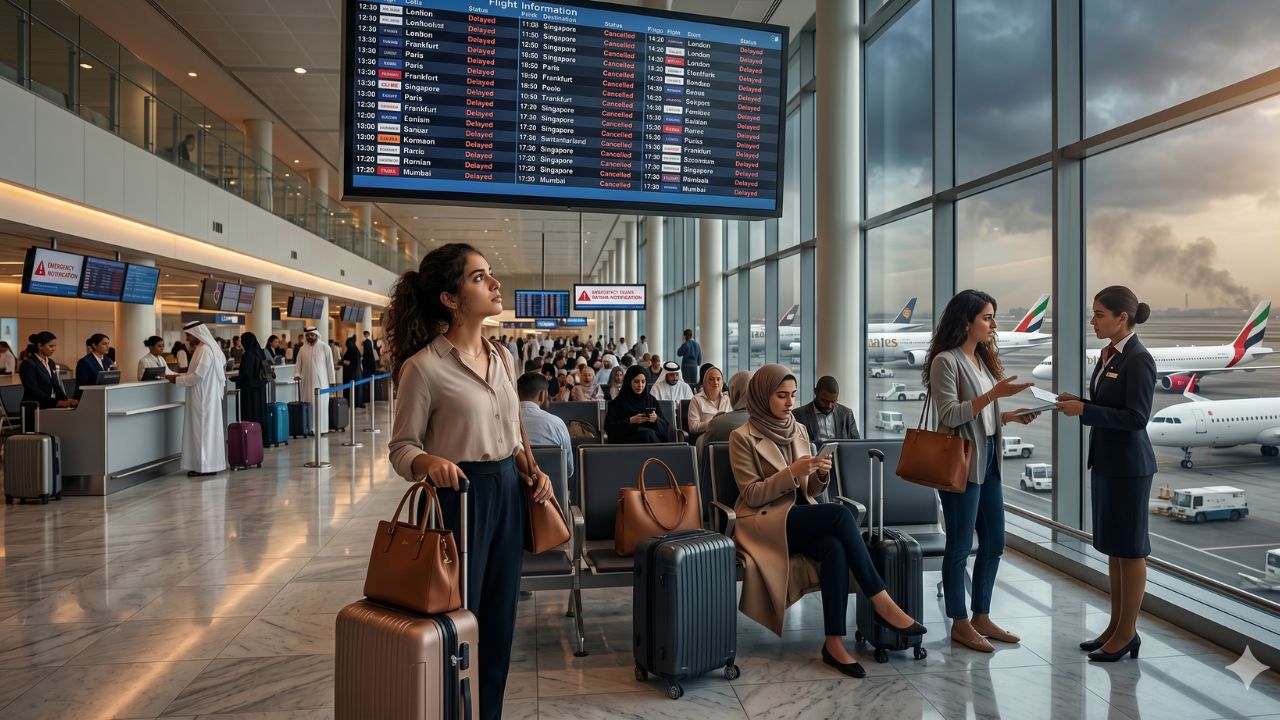
Image generated by AI
A Devastating Security Crisis Triggers Gulf Terminal Panic
While massive sectors of the global passenger network frequently battle highly unpredictable extreme weather events, synchronized logistical bottlenecks, and horrific commercial fleet constraints, a sudden, highly coordinated military-style attack on civilian infrastructure remains the absolute most terrifying catalyst for cascading airport disruptions. Delivering highly urgent, breaking airline news, verified international aviation trackers and regional defense ministries confirm that a massive operational and security disaster has actively detonated in the State of Kuwait, completely exposing vulnerable international commuters and tourists to severe, life-threatening travel chaos across the highly connected Middle Eastern aviation network. This week, highly alarming operational news forcefully emerged confirming that commercial flight operations to and from the sovereign territory were violently suspended after a hostile drone strike heavily targeted Kuwait International Airport.
While desperate travelers usually attempt to navigate terrifying terminal gridlock caused by standard flight cancellations, this exclusive aviation update reveals a highly systemic, incredibly dangerous security nightmare actively shattering flight schedules across the entire Gulf region. Official tracking data and government broadcasts confirm that the massive offensive operation deliberately targeted Terminal 1 at Kuwait International Airport, instantly resulting in severe structural destruction, mass civilian casualties, and absolute systemic operational blockages. With the safety of the entire airspace suddenly compromised, inbound commercial aircraft were violently rerouted, facing totally ruined itineraries and brutal missed connections as regional air traffic control executed immediate mass diversions to alternative airfields across neighboring territories.
Expanded Overview: The Scale of the Aviation Disaster
The sudden, highly publicized execution of this massive hostile intervention serves as an undeniable example of how rapidly complex civilian aviation logistics can collapse into extreme security crises. According to regional transport analysts, the timing of this massive attack was absolutely catastrophic. Kuwait International Airport had only recently finalized a massive transition back to full capacity, with Terminal 1 having officially resumed its regular high-volume scheduled operations earlier during the exact same week.
The terrifying reality of the current transit crisis is found in the sheer vulnerability of passengers utilizing this primary international gateway. Because the massive facility was actively handling peak seasonal traffic, the sudden explosion and subsequent cessation of logistical activities triggered immediate, widespread secondary delays. These massive shockwaves violently reverberated across international flight schedules, completely paralyzing numerous commercial carriers and stranding thousands of highly vulnerable transit passengers globally.
Section-Wise Breakdown of the Kuwait Terminal Gridlock
The Tuesday Night Drone Strike and Explosions
The massive operational strain of protecting civilian aviation actively buckled under the threat of advanced unmanned aerial vehicles. Executed late on Tuesday night, the hostile deployment was targeted directly at the massive aviation facility. The drone strike violently impacted Terminal 1, resulting in substantial physical consequences and massive explosions within the perimeter of the passenger building. The structural integrity of the terminal’s primary processing areas was heavily compromised by the blast, instantly forcing national security forces to execute the immediate, highly chaotic evacuation of civilian populations from the affected sectors to ensure absolute public safety.
Mass Casualties and Emergency Medical Mobilization
The physical impact of the explosion was accompanied by horrifying immediate casualties among airport personnel and innocent travelers located within the public zones. Following the blast, a massive, comprehensive medical mobilization was violently activated by national health coordinators. Up to the present hour, a total of 63 severe injury cases have been officially documented and admitted by public hospitals. To manage the massive influx of casualties, patients were systematically distributed across multiple pre-selected medical complexes in strict alignment with national emergency response blueprints broadcasted by the KUNA news agency.
The Airspace Shutdown and Regional Diversions
Immediate mitigation strategies were violently deployed to prevent further mass casualties. The Public Authority for Civil Aviation instantly issued a formal directive to halt all remaining inbound and outbound traffic within the local airspace on Wednesday. Incoming flights were systematically assigned to alternative regional destinations, preventing an unsustainable accumulation of vulnerable aircraft over the active security zone. Simultaneously, specialized emergency response teams and security forces swarmed the active tarmac to systematically clear the perimeter of unexploded devices while state engineers initiated massive structural evaluations.
Verified Aviation Disruption and Security Data
To fully comprehend the massive operational scale and strategic deployment dictating this highly destructive capacity crisis, the following mandatory table explicitly details the exact security metrics heavily impacting Kuwait International Airport today:
Complete Kuwait Airport Drone Strike Disruption Breakdown
The violent disruption of regional schedules severely compromised the safety and on-time performance of the entire Gulf aviation network.
| Operational Disruption Metric | Verified Aviation Data | Direct Impact on Passenger Logistics |
|---|---|---|
| Primary Targeted Facility | Kuwait Airport Terminal 1 | Massive structural destruction to primary gateway. |
| Nature of Security Event | Hostile Drone Strike | Unmanned aerial vehicle breached civilian airspace. |
| Time of Initial Attack | Late Tuesday Night | Explosions detonated during peak seasonal operations. |
| Total Civilian Casualties | 63 Documented Injuries | Massive medical mobilization executed across hospitals. |
| Airspace Operating Status | Flights Suspended Wednesday | Complete halt of inbound/outbound commercial traffic. |
| Official Authorities Engaged | Ministry of Defense, PACA | Massive military and civil aviation response deployed. |
| Official Spokesperson | Saud Al-Atwan | Confirmed medical assistance for all wounded civilians. |
| Mass Diversion Strategy | Neighboring Territories | Inbound flights violently rerouted to alternative airfields. |
Passenger Impact: Navigating the Security Gridlock
For the modern commuter attempting to navigate this highly volatile Middle Eastern network, the passenger impact of this massive security meltdown is completely terrifying. Reliable, safe flights are the absolute backbone of international transit, and this hostile strike completely destroyed that promise. Passengers facing these massive disruptions must employ immediate survival tactics.
Immediate Survival Strategies:
- Comply with Evacuation Orders: When a hostile drone strike violently detonates inside a terminal, stranded travelers are aggressively urged to abandon all luggage and immediately follow military evacuation orders to clear the blast zone.
- Survive the Diversion Gridlock: Because inbound flights were violently diverted to alternative Gulf airfields, passengers must rapidly utilize airline mobile apps to secure emergency hotel accommodations in neighboring countries before local inventory is completely exhausted.
- The Threat of Ruined Connections: The complete suspension of Kuwaiti airspace guarantees that hundreds of passengers will violently miss their connecting international flights. Always aggressively demand that your operating carrier rebook the entire onward journey once regional airspace reopens.
- Monitor Official Broadcasts: Travelers must violently monitor the KUNA news agency and civil aviation channels to track when state engineers and military commanders grant absolute clearance for civilian travel to safely resume.
Conclusion: A Highly Destructive Aviation Meltdown
The massive, highly publicized drone strike on Kuwait International Airport represents a severe, incredibly dangerous wake-up call for the Gulf aviation sector. By actively demonstrating that advanced hostile deployments can instantly trigger a massive explosion, severely degrading Terminal 1 and plunging hundreds of passengers into terrifying travel chaos with 63 documented injuries, this incident completely shatters passenger confidence in regional security. As executive leadership across the Ministry of Defense and civil aviation regulators frantically scramble to secure the perimeter and appease thousands of isolated passengers, international tourists are heavily urged to aggressively monitor their flight status via airline apps, actively prepare for prolonged flight cancellations, and fully expect this unprecedented disaster to trigger massive regional travel chaos.
Key Takeaways
- Massive Security Meltdown: Kuwait International Airport Terminal 1 was violently struck by a hostile drone late Tuesday night.
- Severe Civilian Casualties: The massive explosions resulted in substantial structural damage and 63 officially documented injuries among personnel and travelers.
- Complete Airspace Suspension: The Public Authority for Civil Aviation violently halted all commercial flights on Wednesday, triggering mass regional diversions.
- Tragic Timing: The attack occurred just days after Terminal 1 had officially resumed full high-volume capacity operations.
- Passenger Survival Tactics: Travelers caught in the disruption are aggressively urged to follow military evacuation protocols, utilize digital apps to secure lodging at diversion airfields, and await official clearance before attempting to travel.
Disclaimer: The specific casualty metrics, structural damage reports, and security protocols presented in this report are based on verified data released by the Ministry of Defense, PACA, and the KUNA news agency in June 2026. Official military investigations, terminal clearance status, and regional airspace restrictions are highly volatile and subject to continuous, real-time update based on active operational shifts and intelligence assessments. Prospective passengers are urgently advised to fiercely monitor official government broadcasts and verify active route networks directly via the airline's official portal prior to attempting airport arrival.
Disclaimer
This article is for informational and educational purposes only. It does not constitute legal, financial, or professional advice. While we strive to provide accurate and up-to-date information, travel policies, regulations, and conditions change rapidly. Always verify information with official sources before making travel decisions. Nomad Lawyer makes no representations about the accuracy, reliability, completeness, or suitability of the information provided. Readers should consult qualified professionals for advice specific to their circumstances. The views expressed in this article are those of the author and do not necessarily reflect the views of Nomad Lawyer.
Kunal K Choudhary
Co-Founder & Contributor
A passionate traveller and tech enthusiast. Kunal contributes to the vision and growth of Nomad Lawyer, bringing fresh perspectives and driving the community forward.
Learn more about our team →