KLM Extends Dubai Flight Cancellations Until September 2026 as Global Carriers Reduce UAE Network Services


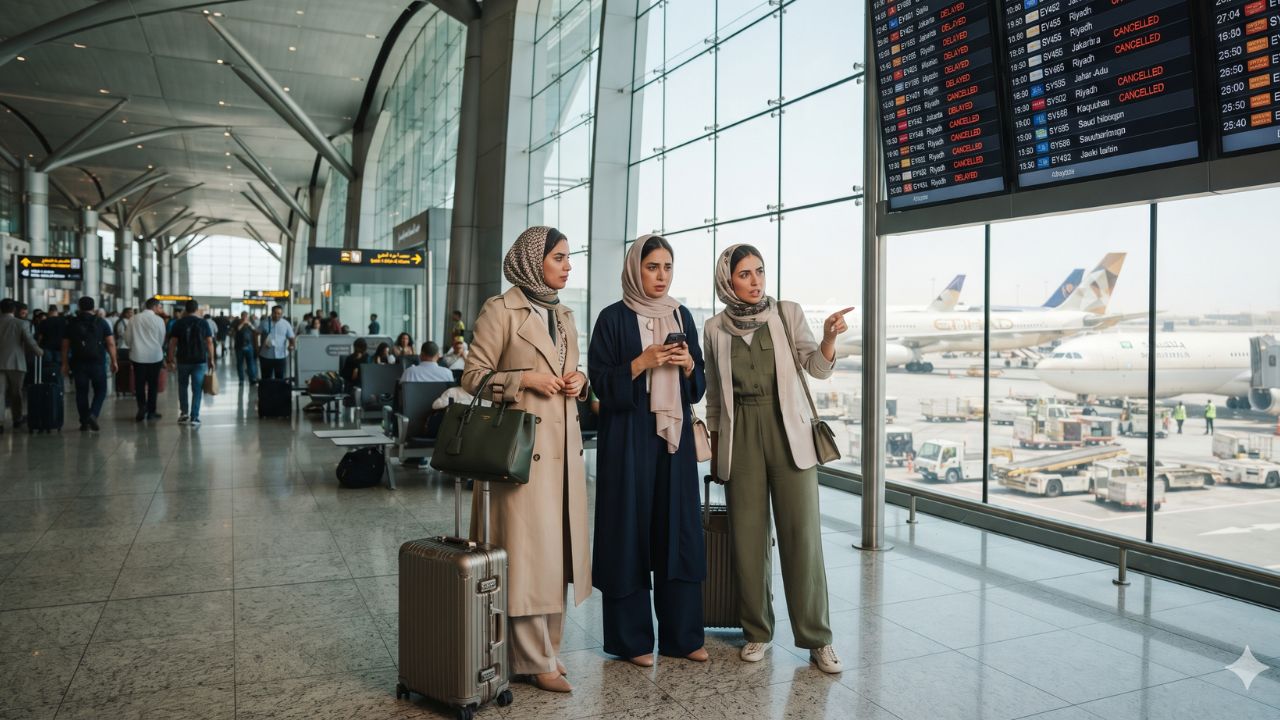
Image generated by AI
Dubai International Airport (DXB) is experiencing renewed operational pressure as KLM Royal Dutch Airlines extends the suspension of selected services to and from the UAE. This move aligns with a broader trend of global carriers reducing flight frequencies and suspending routes across the UAE network due to regional uncertainties and operational constraints.
The suspension of connectivity between Amsterdam Airport Schiphol and Dubai International Airport highlights a growing period of volatility for international air corridors linking Europe, Asia, and the Middle East.
KLM Service Suspension Details
KLM Royal Dutch Airlines has officially confirmed that flights between Amsterdam and Dubai will remain cancelled until Sunday, September 6, 2026. This extension was announced via a travel update on Wednesday, July 22, confirming that services previously slated for resumption will remain grounded.
The carrier stated it is continuing to monitor regional conditions and will base future operational decisions on evolving safety and logistical assessments. This specific route is a critical artery for both corporate travel and leisure transit, often serving as a primary gateway for passengers connecting from the Netherlands to destinations across Africa and Asia.
Global Airline Reductions at Dubai International Airport
While Dubai International Airport remains a primary global hub, several international carriers have independently reviewed their schedules, leading to capacity reductions. These adjustments are driven by safety assessments, crew planning, aircraft availability, and insurance requirements.
European Network Adjustments
Airlines from the United Kingdom, France, and Germany have implemented various levels of service reductions:
- Germany: Carriers have reviewed frequencies between major German gateways and Dubai, impacting high-volume business and tourism corridors.
- France: Schedule adjustments have been noted for French carriers, affecting direct routes used for international conferences and holidays.
- United Kingdom: As one of Dubai's largest source markets, reductions in UK-based capacity are expected to influence ticket pricing and seat availability.
Asian Network Adjustments
The trend of service reduction extends to East and Southeast Asia:
- South Korea: Carriers have adjusted selected operations, forcing business travelers to seek alternative connecting routes.
- Singapore: Airlines based in Singapore have modified schedules, impacting the trade and tourism link between Southeast Asia and the Middle East.
Transit Schedule and Affected Route Specifications
The following table summarizes the current status of the primary affected route and the regional trends observed across the DXB network.
| Operator | Route | Status | Duration/Deadline | Impact Level |
|---|---|---|---|---|
| KLM | Amsterdam (AMS) $\rightarrow$ Dubai (DXB) | Suspended | Until Sept 6, 2026 | High |
| German Carriers | Germany $\rightarrow$ Dubai (DXB) | Reduced | Ongoing Review | Moderate |
| French Carriers | France $\rightarrow$ Dubai (DXB) | Reduced | Ongoing Review | Moderate |
| UK Carriers | United Kingdom $\rightarrow$ Dubai (DXB) | Reduced | Ongoing Review | Moderate |
| S. Korean Carriers | South Korea $\rightarrow$ Dubai (DXB) | Adjusted | Ongoing Review | Low/Moderate |
| Singapore Carriers | Singapore $\rightarrow$ Dubai (DXB) | Adjusted | Ongoing Review | Low/Moderate |
Traveler Logistics Guide: Navigating UAE Transit Disruptions
For passengers affected by the KLM extension or general reductions in European and Asian carrier capacity, the following logistics strategies are recommended:
1. Booking Alternative Connections With direct flights from Amsterdam and other European hubs reduced, passengers should consider "hub-hopping" via alternative Middle Eastern gateways or utilizing UAE-based carriers (such as Emirates) which maintain higher operational frequencies.
2. Optimal Layover Windows Due to the current volatility in scheduling, increase layover buffers to a minimum of 4 hours when connecting through DXB to other international destinations. This mitigates the risk of missing connections due to sudden schedule shifts.
3. Digital Transit and Documentation Ensure all travel documents are updated. For those entering the UAE, utilize official government portals to verify current visa requirements, as route changes may necessitate different transit visa applications depending on the new point of entry.
4. Refund and Rebooking Protocols Passengers with cancelled KLM bookings should initiate refund requests or rebooking queries through the official KLM digital channels immediately to secure alternative seating during the peak summer-to-autumn transition.
Infrastructure Impact Assessment
The reduction of services by foreign carriers places an increased load on UAE-based airlines to maintain the hub's connectivity. While Dubai International Airport (DXB) continues to function as a central node for global trade and tourism, the current trend underscores the vulnerability of strategic aviation hubs to regional risk assessments.
The ability of DXB to remain open and connected despite these adjustments demonstrates the resilience of the UAE's aviation infrastructure. However, the continued monitoring by European and Asian carriers suggests that full capacity restoration will depend on stabilized regional airspace conditions and updated insurance mandates.
Travelers are advised to maintain extreme flexibility and verify flight status 48 hours prior to departure.
Related Travel Guides
This article is for informational purposes. Flight routes, passenger regulations, visa rules, and transit advisories are subject to change by airlines and aviation authorities. Readers are advised to verify schedules and travel documentation with relevant carriers and border agencies before departure.
Related Stories

US Flight Disruptions: Over 1,440 Delays and 140 Cancellations Hit Dallas, Miami, and Chicago
Middle East Flight Disruptions: Over 820 Delays and 90 Cancellations Hit Dubai, Riyadh, and Istanbul