
Kazakhstan Expands Mountain Tourism with Almaty Superski and 20,000 Sq Km Protected Wilderness by 2035
Kazakhstan is transforming its alpine sector through the Almaty Superski project and a massive conservation push to protect 20,000 square kilometres of wilderness by 2035.

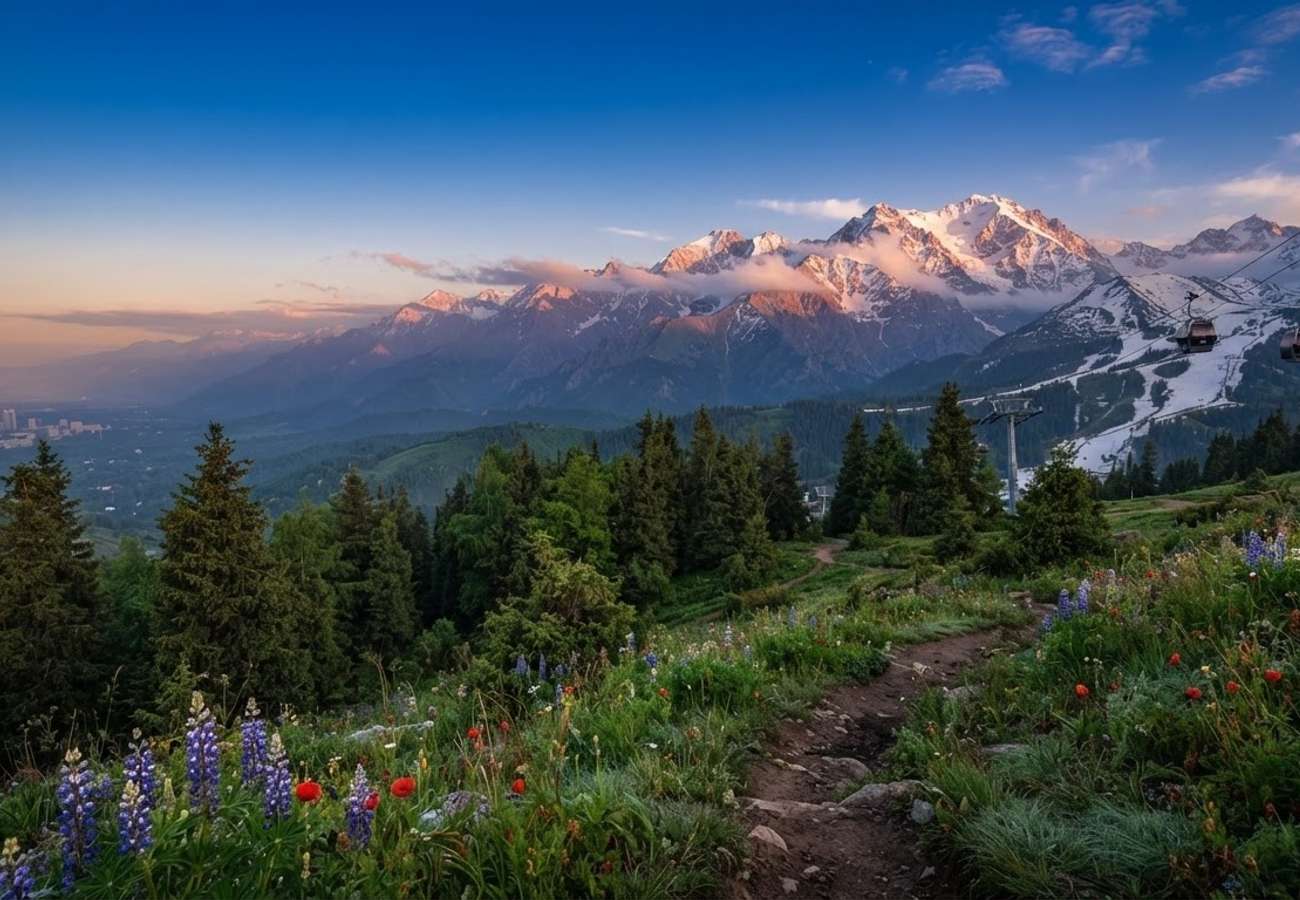
Image generated by AI
Kazakhstan is aggressively expanding its mountain tourism capacity, headlined by the Almaty Superski network and a national mandate to protect 20,000 square kilometres of wilderness by 2035.
The shift marks a transition from fragmented, seasonal ski trips to a year-round, integrated alpine experience. By linking disparate ski domains and investing in conservation-led infrastructure, the region is positioning itself as a primary hub for both high-adrenaline winter sports and low-impact nature exploration.
The Almaty Superski Integration
The Almaty Superski project represents a fundamental change in how visitors interact with the Tian Shan mountain system. Rather than treating individual ski resorts as isolated destinations, this integrated infrastructure initiative links local ski domains into a cohesive network.
For the traveler, this removes the logistical friction of moving between different mountain zones. The result is a broader alpine playground that supports a seamless transition between skiing, snowboarding, and snow-based recreation during the winter. However, the project is not limited to the cold months; the infrastructure is designed for dual-use, facilitating hiking and mountain sightseeing during the spring, summer, and autumn.
Because Almaty serves as a major urban center, this development allows for a "city-to-summit" itinerary. Visitors can engage with the urban culture of the city before accessing a vast, connected mountain environment, supporting a more diverse ecosystem of equipment rentals, professional guiding services, and specialized mountain accommodation.
Scaling Conservation and Eco-Tourism
Parallel to the infrastructure boom in Almaty, Kazakhstan is implementing a rigorous national conservation programme. The target is a significant addition of 20,000 square kilometres of protected lands by 2035. This is not merely a land-grab for conservation but a strategic move to develop "controlled eco-tourism."
The focus is on three internationally recognized natural landmarks:
- Charyn Canyon: Known for its dramatic sedimentary formations, the area is receiving upgraded eco-tourism trails to manage visitor flow and protect sensitive geological layers.
- Kolsay Lakes: These alpine lakes in southeastern Kazakhstan are seeing improvements in visitor facilities to encourage longer, more structured stays that minimize environmental footprints.
- The Altai Mountain Range: Located further east, this region is being developed for wilderness-focused travel and high-altitude hiking, adding geographical diversity to the national tourism portfolio.
By creating structured routes and designated activity zones, the regional conservation bodies aim to prevent the degradation of these landscapes while increasing their accessibility to international explorers.
Local Insider Tips for the Kazakh Highlands
To get the most out of these evolving regions, visitors should move beyond the primary tourist hubs:
- Timing Your Visit: For the Almaty mountains, the "shoulder seasons" of late May and September offer the best balance of accessible hiking trails and manageable crowds, avoiding the peak winter ski rush and the July heat.
- Dining Specialties: When visiting the mountain villages near Kolsay, seek out Baursak (traditional fried dough) and Kumis (fermented mare's milk) from local homestays rather than hotel restaurants to support the rural economy directly.
- Cultural Etiquette: In the Altai region, respect for the "spirits of the mountains" is still prevalent among local communities. Always stay on marked trails and avoid disturbing stone cairns or natural formations.
- Hidden Spot: While Charyn Canyon is the main draw, explore the "Valley of Castles" section during the early morning hours to avoid the tour buses and capture the light on the red cliffs.
Tourism Outlook
The long-term impact of these initiatives is a move toward "de-seasonalization." By investing in both the Almaty Superski network and the 2035 conservation goals, Kazakhstan is ensuring that its tourism economy does not crash after the snow melts.
The integration of urban accessibility with protected wilderness creates a high-value proposition for premium travelers who seek both luxury and raw nature. As the 20,000 square kilometer protection goal progresses, the country will likely see a rise in specialized eco-lodges and scientific tourism, further diversifying the visitor demographic.
A bold leap toward balancing alpine adrenaline with ancestral wilderness.
Related Travel Guides
Disclaimer
This article is for informational and educational purposes only. It does not constitute legal, financial, or professional advice. While we strive to provide accurate and up-to-date information, travel policies, regulations, and conditions change rapidly. Always verify information with official sources before making travel decisions. Nomad Lawyer makes no representations about the accuracy, reliability, completeness, or suitability of the information provided. Readers should consult qualified professionals for advice specific to their circumstances. The views expressed in this article are those of the author and do not necessarily reflect the views of Nomad Lawyer.
Raushan Kumar
Founder & Lead Developer
Full-stack developer with 11+ years of experience and a passionate traveller. Raushan built Nomad Lawyer from the ground up with a vision to create the best travel and law experience on the web.
Learn more about our team →