
Journey Launches Experience Management System for UK Hotels to Replace Legacy CORE Software in 2026
Journey expands its hospitality ecosystem with a new Experience Management System (EMS), enabling UK hotels to integrate spa, wellness, and leisure revenue streams into a single operational platform.

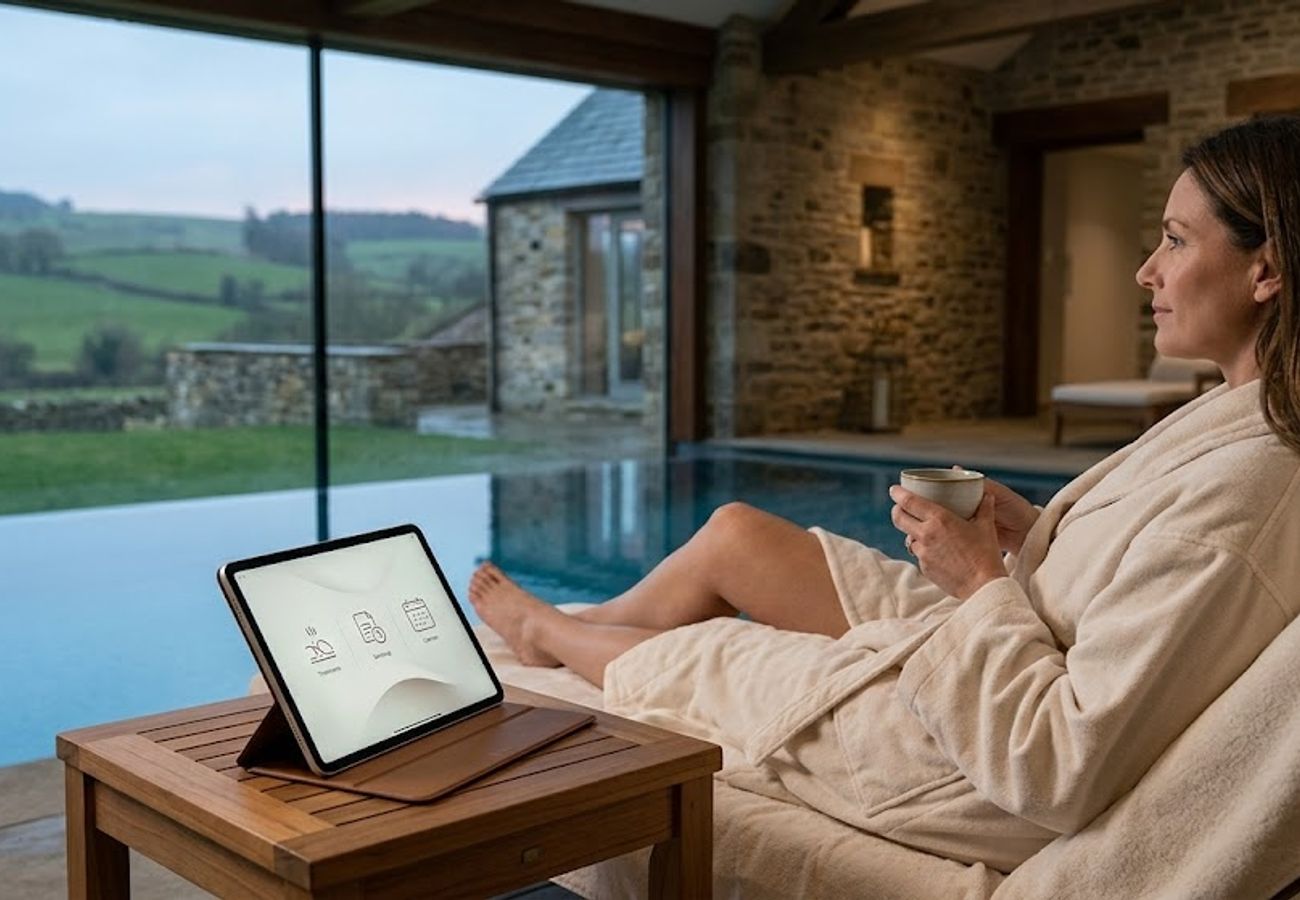
Image generated by AI
Three decades of hospitality technology expertise culminate in Journey's latest rollout of its Experience Management System (EMS), a platform designed to consolidate spa, wellness, and leisure operations into a single digital ecosystem. This shift is not merely a software update; it represents a strategic migration for independent hotels across the UK currently relying on legacy CORE by Premier Software technology. By unifying bookings, memberships, and revenue tracking, Journey is positioning itself to capture the growing market of "experience-led" stays, where the room is no longer the primary profit center.
The Transition from Legacy Infrastructure
The launch of EMS is the direct result of Journey's 2023 acquisition of Premier Software. For years, many UK independent hotels operated on fragmented legacy systems that treated the spa or gym as a secondary, isolated business unit. The current migration program is designed to move these operators away from the outdated CORE framework and into a connected environment.
This transition is driven by a fundamental change in how hotels view their assets. Rather than viewing a spa as an amenity, operators are treating wellness and leisure as primary revenue drivers. The EMS platform facilitates this by integrating several previously disparate functions:
| Integrated Function | Operational Impact |
|---|---|
| Real-Time Diary | Live visibility of staff, treatment rooms, and facility availability |
| Membership Management | Centralized tracking of recurring revenue and access rights |
| Retail & Stock | Integrated inventory management for spa products and retail sales |
| Financial Reporting | Unified billing and payment processing across multiple guest services |
| Guest Arrival | Streamlined check-in for non-room based experiences |
Integrating the Total Revenue Platform
Journey has engineered the EMS to function not as a standalone tool, but as a component of its broader Total Revenue Platform. This ecosystem connects the front-end guest experience with back-end operational logistics. To ensure seamless adoption, the system integrates with industry-standard property management systems (PMS), including Oracle Opera, Mews, and Guestline.
A critical feature of this integration is the link to Journey’s All-In-One Booking Engine and Gift Voucher solutions. When a guest redeems a voucher for a massage, the transaction flows through the EMS to update staff schedules and inventory in real-time, eliminating the manual data entry that often plagues legacy systems. This connectivity ensures that the guest journey remains frictionless from the initial booking to the final payment.
Expert Analysis: The Pivot to Ancillary Revenue
For travelers and hotel owners alike, the rollout of EMS signals a permanent shift in the hospitality business model. The reliance on "heads in beds" (room occupancy) is being replaced by a diversified revenue strategy. According to the PwC UK Hotels Forecast 2025–2026, the industry is facing intense pressure to diversify income streams to meet evolving guest expectations.
For travelers booking these routes, the direct consequence is a more personalized, "bundled" stay. When a hotel uses a system like EMS, they can offer dynamic packaging—combining a room with a specific wellness treatment or a leisure membership—with higher precision.
The pricing pressure this creates means that hotels can optimize "gap filling." As noted by Vicki Jackson, Spa Director at Gisborough Hall, the system allows management to identify business gaps and performance opportunities instantly. When a hotel can see a vacant treatment room at 2:00 PM on a Tuesday via a real-time diary, they can trigger targeted, last-minute offers to guests already on-site. This increases the "Average Revenue Per User" (ARPU) without needing to increase the base room rate, which keeps the hotel competitive while increasing its margins.
Furthermore, by reducing the administrative burden on management, the technology allows staff to pivot from data entry to guest interaction. In a luxury market, the "human touch" is the primary differentiator; by automating the logistics of a spa booking, Journey is effectively buying back time for hotel staff to focus on service delivery.
Key Takeaways
- Legacy Migration: Journey is actively migrating UK independent hotels from the outdated CORE by Premier Software system to the new EMS platform.
- Revenue Diversification: The system reflects a broader industry trend identified by PwC, moving hotel profitability away from room rates toward wellness, leisure, and memberships.
- Operational Unity: EMS integrates real-time diaries, stock management, and billing into one system, connecting with major PMS providers like Mews and Oracle Opera.
- Commercial Visibility: Early adopters, such as Gisborough Hall, report that the system makes it easier to identify revenue gaps and optimize staff development.
- Ecosystem Approach: The software is part of a "Total Revenue Platform" that links gift vouchers and booking engines directly to operational delivery.
FAQ: Hotel Experience Tech 2026
What is the Journey Experience Management System (EMS)? It is a unified software platform for hotels to manage spas, wellness centers, and leisure facilities. It combines bookings, staff scheduling, memberships, and retail payments into one system to replace fragmented legacy software.
Which hotels are currently using Journey EMS? The system is currently live with several independent hotels across the UK, including Gisborough Hall, as part of a structured migration from the older CORE by Premier Software technology.
How does this technology affect the guest experience? Guests experience more seamless booking processes and better-integrated packages. Because staff have real-time visibility of facilities, there is less likelihood of double-booking and a higher potential for personalized, last-minute service offers.
Does EMS work with existing hotel software? Yes, it is designed to integrate with major property management systems (PMS) such as Oracle Opera, Guestline, and Mews, ensuring that guest data flows between the front desk and the spa.
The era of the hotel as a mere place to sleep is over; the future is a managed ecosystem of bookable experiences.
Related Travel Guides
Disclaimer
This article is for informational and educational purposes only. It does not constitute legal, financial, or professional advice. While we strive to provide accurate and up-to-date information, travel policies, regulations, and conditions change rapidly. Always verify information with official sources before making travel decisions. Nomad Lawyer makes no representations about the accuracy, reliability, completeness, or suitability of the information provided. Readers should consult qualified professionals for advice specific to their circumstances. The views expressed in this article are those of the author and do not necessarily reflect the views of Nomad Lawyer.
Naina Thakur
Contributor & Travel Specialist
Travel enthusiast and legal writer covering visa regulations, responsible tourism, and cultural journeys across global destinations.
Learn more about our team →