
China Joins Key Outbound Markets as Japan's Updated Visa Rules Trigger Global Concerns Over Rising Travel Costs: Latest Update
Japan's updated visa rules introduce a five-fold fee increase and biometric verification, triggering travel cost concerns across major outbound markets.

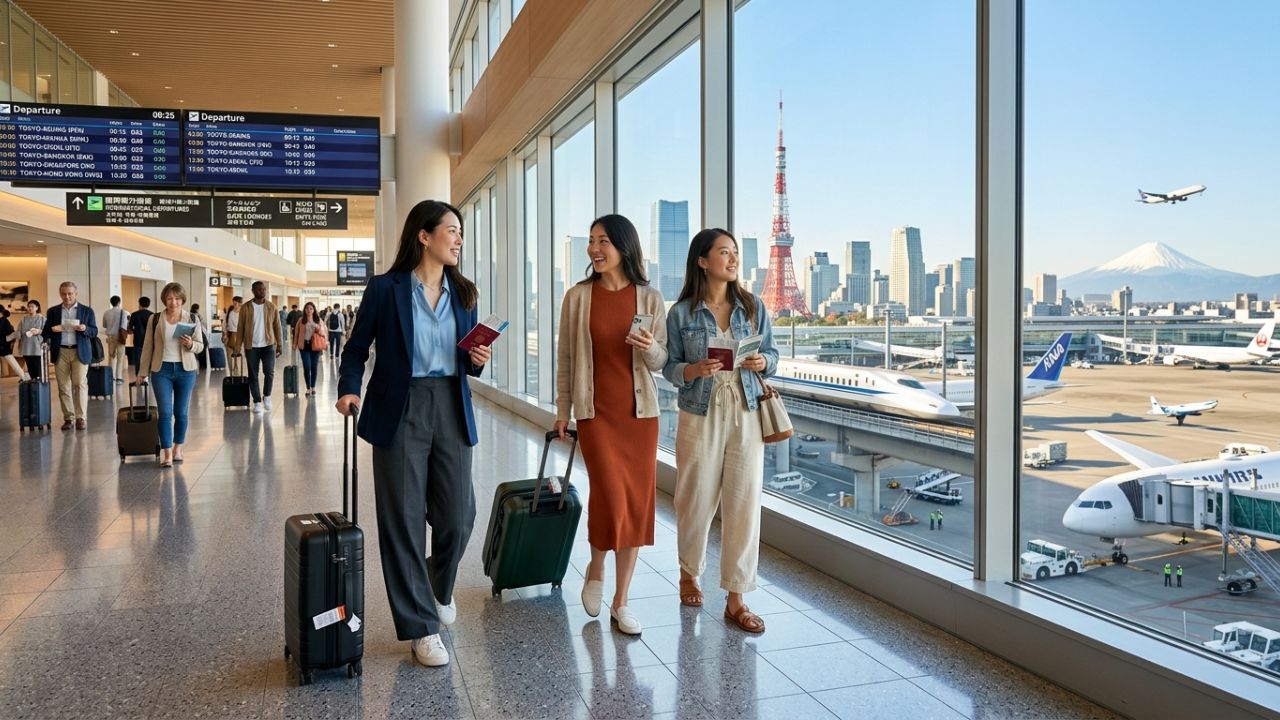
Image generated by AI
Published on June 22, 2026
Travelers from major source markets across Asia and Eurasia are facing financial adjustments as Japan's updated visa rules trigger global concerns over rising travel costs. Effective July 1, 2026, the Ministry of Foreign Affairs of Japan (MOFA) has introduced a five-fold increase in short-term tourist, multiple-entry, and transit fees, alongside expanded biometric verification and extended processing timelines. Outbound tourists and business travelers from affected nations, including China, the Philippines, Vietnam, Indonesia, Russia, and Uzbekistan, must now factor higher administrative overheads into their international vacation budgets.
Quick Summary
- Five-Fold Fee Hike: Japan has implemented a 500% fee increase across major categories, raising single-entry tourist visas to ¥15,000 and multiple-entry visas to ¥30,000.
- Extended Processing Timelines: Due to expanded biometric verification and documentation checks, average visa processing lead times have increased from 4–5 days to 5–8 days.
- Airlines & Planners Adjusting: Global carriers and tour operators are incorporating these administrative surcharges into promotional packages and flight planning.
- Outbound Markets Impacted: Major tourist source markets like China, the Philippines, Vietnam, Indonesia, Russia, and Uzbekistan are experiencing higher overall trip expenditures.
The Ministry of Foreign Affairs of Japan (MOFA) has introduced these visa regime adjustments to strengthen border security and update administrative pricing. However, the timing of these changes has created immediate friction for travel agencies and airlines that had priced itineraries based on lower historical fee benchmarks. Frequent travelers and corporate groups must now budget for both increased direct fees and potential operational delays.
These procedural modifications represent a significant shift in Japan's international tourism policy, which previously prioritized minimizing administrative barriers. By introducing biometric registration and more detailed documentation, processing timelines have slowed down across global visa centers. Outbound travelers are forced to adapt by submitting applications earlier and purchasing comprehensive travel insurance to mitigate booking risks.
Event and Incident Details: Core Changes in Japan's Updated Visa Rules
The 2026 visa updates represent a major overhaul of entry fees and biometric verification processes. Beginning in April 2026, short-term tourist visa fees rose by up to 20% compared to 2025 schedules. The table below details the specific adjustments and processing times for key outbound markets:
| Target Country | 2025 Visa Fee (JPY) | April 2026 Adjusted Fee (JPY) | Percentage Fee Increase | Average Processing Duration |
|---|---|---|---|---|
| China | 3,000 | 3,600 | +20% | 5–7 days |
| Philippines | 2,500 | 2,900 | +16% | 5–7 days |
| Vietnam | 2,800 | 3,200 | +14% | 5–7 days |
| Indonesia | 3,200 | 3,700 | +16% | 6–8 days |
| Russia | 3,500 | 4,100 | +17% | 6–8 days |
| Uzbekistan | 2,900 | 3,400 | +17% | 5–7 days |
These initial adjustments were followed by a dramatic five-fold increase across all primary categories, effective July 1, 2026. The table below details the massive 500% rise in baseline visa fees:
| Entry Visa Category | Historical 2025 Fee (JPY) | New 2026 Fee (JPY) | Net Percentage Increase |
|---|---|---|---|
| Single-Entry Visa | 3,000 | 15,000 | +500% |
| Multiple-Entry Visa | 6,000 | 30,000 | +500% |
| Transit Visa | 700 | 3,500 | +500% |
In contrast to 2025, when single-entry entry fees were ¥3,000 and multiple-entry options were ¥6,000, the new rates represent a significant portion of a typical travel budget. Airlines and travel providers are actively revising pricing models to incorporate these administrative cost hikes directly into customer packages.
Risk and Impact: Global Consequences of Japan's Updated Visa Rules
The transition to the new fee structure introduces specific commercial and operational challenges for both travelers and industry players:
- Itinerary Disruptions: The extension of processing lead times to 5–8 days increases the risk of travelers missing departure flights due to visa delays.
- Reduced Off-Season Bookings: Higher visa fees may deter spontaneous leisure tourists, leading to a decline in off-season travel volume.
- Package Price Inflation: Travel agencies must raise prices for all-inclusive vacation packages to cover the five-fold visa fee increases and administrative surcharges.
- Increased Financial Uncertainty: Travelers must secure comprehensive travel insurance to hedge against potential processing delays and flight cancellations.
What Authorities Are Saying
Officials from the Ministry of Foreign Affairs of Japan (MOFA) state that the revised schedules are necessary to support advanced security procedures and biometric registration networks. Tourism developers representing the Japan National Tourism Organization (JNTO) continue to monitor how these updates affect visitor volumes, emphasizing that the country's cultural attractions remain highly competitive. However, government agencies from the affected source markets—including China, the Philippines, Vietnam, Indonesia, Russia, and Uzbekistan—have not isolated Japan-specific travel impact metrics in their public outbound travel reports.
National tourism organizations from these countries advise travelers to prepare applications at least two to three weeks before departure. Outbound agencies in Manila, Hanoi, and Jakarta report that they are updating their travel guidelines to prepare clients for extended documentation requirements. Industry representatives note that while strong travel intent persists, travelers must factor higher visa overheads into their total trip budgets.
Practical Traveler Advice Section: Navigating Japan's Updated Visa Rules
Travelers planning to visit Japan under the new regulations should follow these guidelines to manage the impact of Japan's updated visa rules:
- Submit Applications Well in Advance: Allow at least 8 to 10 working days for processing to prevent missing flights due to biometric verification delays.
- Opt for Multiple-Entry Visas for Frequent Trips: If planning multiple visits within the year, purchase the ¥30,000 multiple-entry visa to avoid repeated single-entry fees.
- Incorporate Surcharges into Your Travel Budget: Factor the new ¥15,000 single-entry fee and carrier administrative surcharges into your total holiday budget.
- Verify Itinerary Flexibility with Your Airline: Choose flexible fare tickets or buy flight change insurance to adapt to visa processing timeline adjustments.
- Confirm Required Documentation Checklist: Consult the official MOFA Japan website to ensure you have all biometric and financial papers ready before submission.
- Consult Local Travel Advisors: Connect with licensed tour operators to coordinate package updates and administrative fee clearance.
Broader Context Section: Regional Travel Trends Under Japan's Updated Visa Rules
The impact of the new visa policy varies across major outbound travel hubs, though the overall travel demand remains remarkably resilient:
- China Outbound Corridors: As one of Japan's primary tourism sources, bookings on key flight corridors like Beijing–Tokyo and Shanghai–Osaka remain high. Expanding middle-class travel demand and educational trips continue to drive travel volumes despite rising fees.
- Southeast Asian Markets: In the Philippines, Vietnam, and Indonesia, outbound travel statistics highlight rising cost pressures. Increased jet fuel surcharges and rising hotel rates combine with visa fee inflation to raise aggregate travel expenses, as tracked by the International Air Transport Association (IATA).
- Eurasian Regions: In Russia and Uzbekistan, premium and business travel segments are absorbing the new fees. Tour operators are adjusting pricing to cover ancillary charges, emphasizing careful planning to navigate processing delays.
What to Expect Next / Looking Ahead
Looking ahead, travelers can expect other major international destinations to evaluate similar biometric verification and fee updates. Airlines and hospitality groups will continue to automate documentation checks to speed up the pre-departure process. Over the next year, travel agencies plan to offer bundled travel insurance policies that include specific coverage for visa processing delays.
Additionally, regional tourism groups will monitor visitor numbers to assess if the ¥15,000 entry cost significantly slows down family holiday bookings. If travel demand in key Southeast Asian markets experiences a sustained drop, authorities may consider promotional travel campaigns or digital visa processing updates to ease access. For now, careful financial budgeting and early planning remain essential for all travelers heading to Japan.
Conclusion
In conclusion, the implementation of Japan's revised visa regime marks a new phase of higher administrative costs for international travelers. By raising fees five-fold and expanding biometric verification, the new rules reshape outbound planning across key markets. With early preparation and flexible scheduling, travelers can easily navigate these new entry requirements and enjoy their Japanese itineraries.
Related Travel Guides
The 10 Best Budget Travel Tips for Tokyo, According to Reddit
Disclaimer: Visa fees, processing timelines, and entry requirements for Japan reflect June 2026 conditions. Government fee schedules, biometric policies, and consular operational timelines are subject to sudden revision. Travelers should verify current consular regulations directly with the Ministry of Foreign Affairs of Japan before finalizing travel bookings.
FAQ: Japan's Updated Visa Rules and Travel Costs
What are the new visa fees for Japan in 2026?
Effective July 1, 2026, single-entry visas cost ¥15,000, multiple-entry visas cost ¥30,000, and transit visas cost ¥3,500, representing a five-fold increase from 2025.
How have visa processing times changed under Japan's updated visa rules?
Due to expanded biometric verification and detailed documentation checks, average processing times have increased from 4–5 days in 2025 to 5–8 days in 2026.
Which countries are primarily affected by these new rules?
Outbound travel markets across Asia and Eurasia, including China, the Philippines, Vietnam, Indonesia, Russia, and Uzbekistan, are experiencing these cost and processing updates.
Are flight bookings to Japan decreasing because of these changes?
While administrative costs are higher, travel demand remains strong, with high booking volumes reported on major route corridors such as Beijing–Tokyo and Shanghai–Osaka.
How can travelers avoid delays under the new visa system?
Travelers are advised to apply for their visas at least two to three weeks before departure, confirm all documentation, and consider purchasing travel insurance that covers visa delays.
Disclaimer
This article is for informational and educational purposes only. It does not constitute legal, financial, or professional advice. While we strive to provide accurate and up-to-date information, travel policies, regulations, and conditions change rapidly. Always verify information with official sources before making travel decisions. Nomad Lawyer makes no representations about the accuracy, reliability, completeness, or suitability of the information provided. Readers should consult qualified professionals for advice specific to their circumstances. The views expressed in this article are those of the author and do not necessarily reflect the views of Nomad Lawyer.
Kunal K Choudhary
Co-Founder & Contributor
A passionate traveller and tech enthusiast. Kunal contributes to the vision and growth of Nomad Lawyer, bringing fresh perspectives and driving the community forward.
Learn more about our team →