
Japan Stands Alongside Taiwan as Asia Cruise Tourism Enters a New Era of Bigger Ports and Higher Visitor Spending
Japan Stands Alongside Taiwan as Asia Cruise Tourism Enters a New Era of Bigger Ports and Higher Visitor Spending

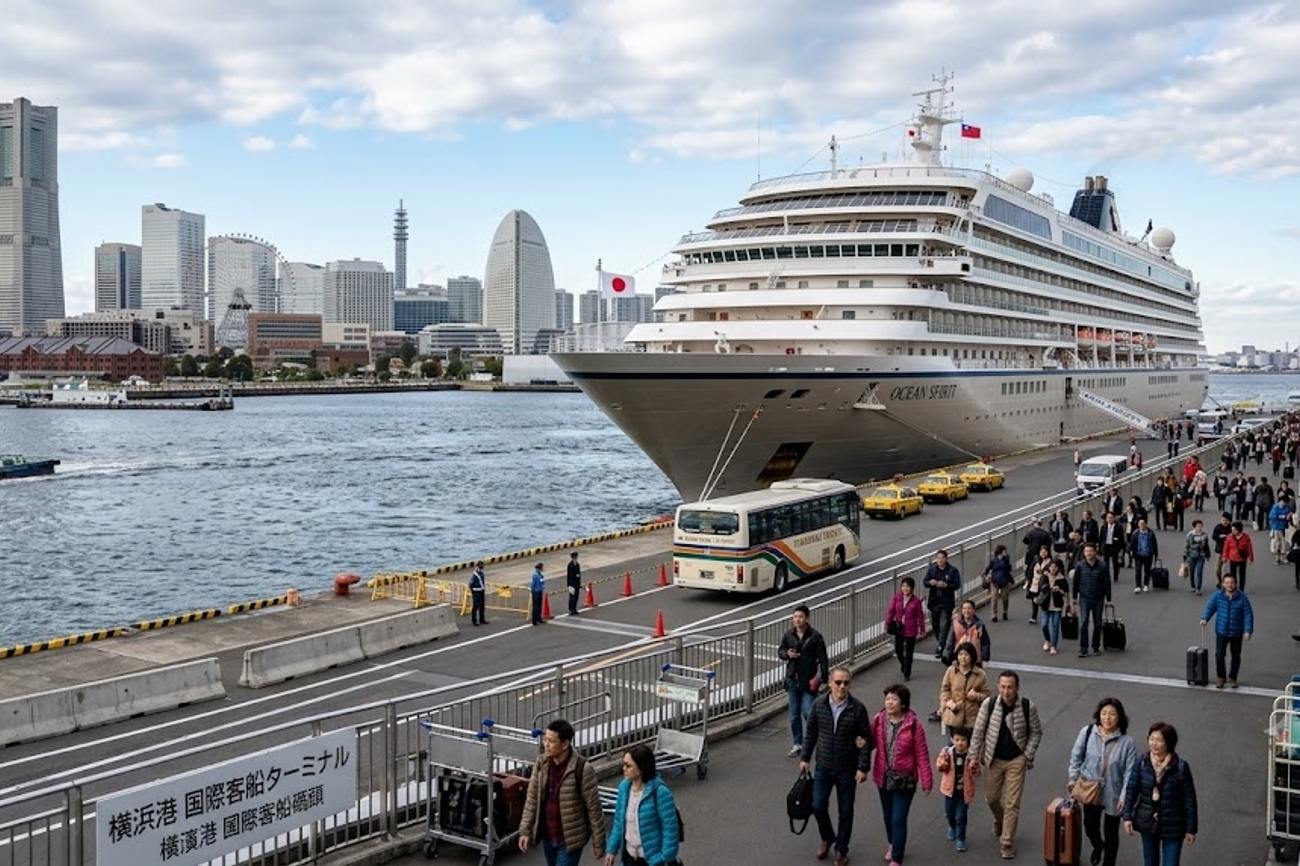
Image generated by AI
While most cruise travelers view ports as mere parking lots for ships, Japan has discovered that every single extra hour a passenger spends on land generates roughly ¥900 in additional local spending. This precise calculation is driving a systemic shift across East Asia, where the goal is no longer just to attract the largest vessels, but to maximize the actual time visitors spend interacting with local economies.
The New Era of East Asian Maritime Tourism
The recovery of cruise travel in Asia is not a uniform rebound; it is a strategic divergence. We are seeing three distinct models of growth emerge across Japan, Taiwan, and Vietnam. While the ships are returning, the philosophy behind the arrivals has changed. The focus has shifted from "ship counts" to "economic yield," with a heavy emphasis on infrastructure that reduces friction—meaning faster customs and better transit—to keep travelers in the city and out of the terminal.
Japan is leading the charge in volume, recording 1.767 million visiting cruise passengers and 3,117 cruise calls in 2025. However, the Japanese government is now pivoting toward a "value over volume" strategy. Current data from a survey of 18 cruise ships between August and December 2025 shows that the average passenger spends about ¥22,000 per port visit. The national target is aggressive: the government aims to push this average to roughly ¥33,000 by 2030. This is a 1.5x increase that can only be achieved by moving away from generic shore excursions and toward high-value, curated experiences.
Meanwhile, Taiwan is transforming its relationship with the sea. Rather than being a stopover, the port of Keelung is positioning itself as a primary hub. In 2025, Keelung processed 993,020 cruise passengers—a 26.2% jump from the 786,840 seen in 2024. This isn't just a recovery; it is a breakout, surpassing the previous 2019 record of 946,372. Taiwan is specifically targeting the "fly-cruise" market, where travelers fly into the country specifically to begin their voyage. In 2025, Taiwan saw 61,000 foreign fly-cruise passengers, more than double the 2018 record of 38,000. A significant portion of this—27,000 passengers—came via seven Norwegian Cruise Line homeport voyages.
Vietnam is taking a different path, utilizing a distributed gateway model. Instead of one massive hub, it leverages a network of ports including Chan May, Phu My, and Ha Long. The momentum in the north is particularly strong; during the first half of 2025, Quang Ninh welcomed 35 international cruise ships and nearly 50,000 passengers, a 25% increase over the previous year. The projection for the full year of 2025 at Ha Long International Cruise Port is approximately 70 international calls and nearly 90,000 passengers.
What Makes These Hubs Different
The experiential draw of these three regions varies wildly based on their geographic and cultural assets. Japan's appeal lies in its national network; with foreign cruise ships making 2,352 calls across 93 different ports, the variety of experiences is unmatched. From the snowy coasts of Hokkaido to the subtropical shores of Okinawa, Japan offers a diverse itinerary that encourages repeat visits. To maximize your time, I recommend checking the Japan National Tourism Organization for regional event calendars that align with your port dates.
Taiwan, specifically through Keelung, offers a concentrated urban-to-nature transition. The port is a gateway to the neon lights of Taipei and the rugged beauty of the north coast. The diversity of visitors is also striking: in 2025, Japanese travelers made up 32.1% of foreign passengers, followed by Americans (16%), Koreans (11.4%), and Germans (6.5%). The introduction of luxury brands like Scenic Cruises and Mitsui Ocean Cruises—part of 19 maiden visits in 2025—indicates a shift toward a more affluent demographic.
Vietnam provides the most dramatic visual contrast. The cruise experience here is defined by the limestone karsts of UNESCO World Heritage sites like Ha Long Bay. Unlike the urban-centric model of Keelung, Vietnam’s cruise tourism is an entry point into the rural and cultural heart of the country. A stop in Ha Long often serves as a springboard for longer journeys into Hanoi or the landscapes of Ninh Binh.
Visitor Insider Tips
Having navigated these ports, I can tell you that the "official" excursion is rarely the best way to see the city. Here is how to actually handle these destinations:
Japan: The Timing Game Because Japan is obsessed with the "spending per hour" metric, you will find that port infrastructure is becoming incredibly efficient. To avoid the crowds, avoid the "big ship" rush. If you are docking in a smaller port among the 93 available, head immediately to the local shotengai (shopping street) rather than the main tourist plaza. Use the Japan Rail Pass if your port has a nearby station; it is the fastest way to escape the cruise terminal bubble.
Taiwan: The Keelung Strategy Keelung is more than a port; it is a food destination. Do not spend your entire day in Taipei. The Keelung Night Market is legendary for its seafood. If you are a fly-cruise passenger, arrive at least two days early to acclimate. Base yourself in the Zhongzheng District for easy access to both the port and the city's cultural landmarks.
Vietnam: The Gateway Pivot In Ha Long, the cruise ship is just the beginning. If your itinerary allows, arrange a private transfer to Hanoi. The most authentic experiences are found in the smaller fishing villages surrounding the bay, away from the massive tour boats. Be mindful of local etiquette; dress modestly when visiting temples in the north, and always negotiate prices for local handicrafts before purchasing.
Cultural and Environmental Context
The surge in cruise tourism brings a complex set of challenges to these regions. In Japan, the push for higher spending per passenger is a conscious effort to avoid "overtourism" where thousands of people arrive and leave without contributing significantly to the local economy. By targeting luxury and expedition passengers, Japan is attempting to decouple economic growth from sheer visitor volume.
In Taiwan, the rise of Keelung as a homeport is shifting the economic center of gravity. The "fly-cruise" model is far more sustainable for the local community than transit stops because it encourages overnight hotel stays and multi-day spending. However, the increase in vessel size puts pressure on port infrastructure and local traffic management.
Vietnam faces the most delicate balance. The beauty of Ha Long Bay is its primary draw, but the environmental impact of hundreds of thousands of passengers is a constant concern. The shift toward more organized, high-capacity gateways is an attempt to centralize the environmental footprint and prevent unregulated tourism from damaging the fragile limestone ecosystems.
FAQ: Visiting East Asia 2025
What is the best time to visit these regions by cruise? Spring (March to May) and Autumn (September to November) are ideal. You avoid the oppressive humidity of the summer and the winter typhoons, and you catch the cherry blossoms in Japan or the temperate weather in Northern Vietnam.
Do I need a visa for these destinations? It depends on your nationality. Many cruise passengers enjoy visa-exempt entry for short shore stays. However, if you are doing a "fly-cruise" in Taiwan or an extended stay in Vietnam, check the official embassy websites for your specific passport requirements.
How do I get to the ports from major hubs? Keelung is a short taxi or train ride from Taipei. Ha Long is typically accessed via a 2-3 hour drive from Hanoi. Japanese ports vary, but most are well-connected via the national rail network or dedicated shuttle buses.
Is it safe for solo travelers on these cruises? Yes, East Asia is among the safest regions globally. Cruise ships provide a secure environment, and the ports in Japan, Taiwan, and Vietnam are generally very welcoming to solo explorers.
Stop counting the ships and start counting the hours spent in the streets.
Related Travel Guides
Disclaimer
This article is for informational and educational purposes only. It does not constitute legal, financial, or professional advice. While we strive to provide accurate and up-to-date information, travel policies, regulations, and conditions change rapidly. Always verify information with official sources before making travel decisions. Nomad Lawyer makes no representations about the accuracy, reliability, completeness, or suitability of the information provided. Readers should consult qualified professionals for advice specific to their circumstances. The views expressed in this article are those of the author and do not necessarily reflect the views of Nomad Lawyer.
Naina Thakur
Contributor & Travel Specialist
Travel enthusiast and legal writer covering visa regulations, responsible tourism, and cultural journeys across global destinations.
Learn more about our team →