
Japan Reinvents Remote Hokkaido Travel Across Kushiro and Abashiri Through Digital Tourism Innovation
Japan Reinvents Remote Hokkaido Travel Across Kushiro and Abashiri Through Digital Tourism Innovation

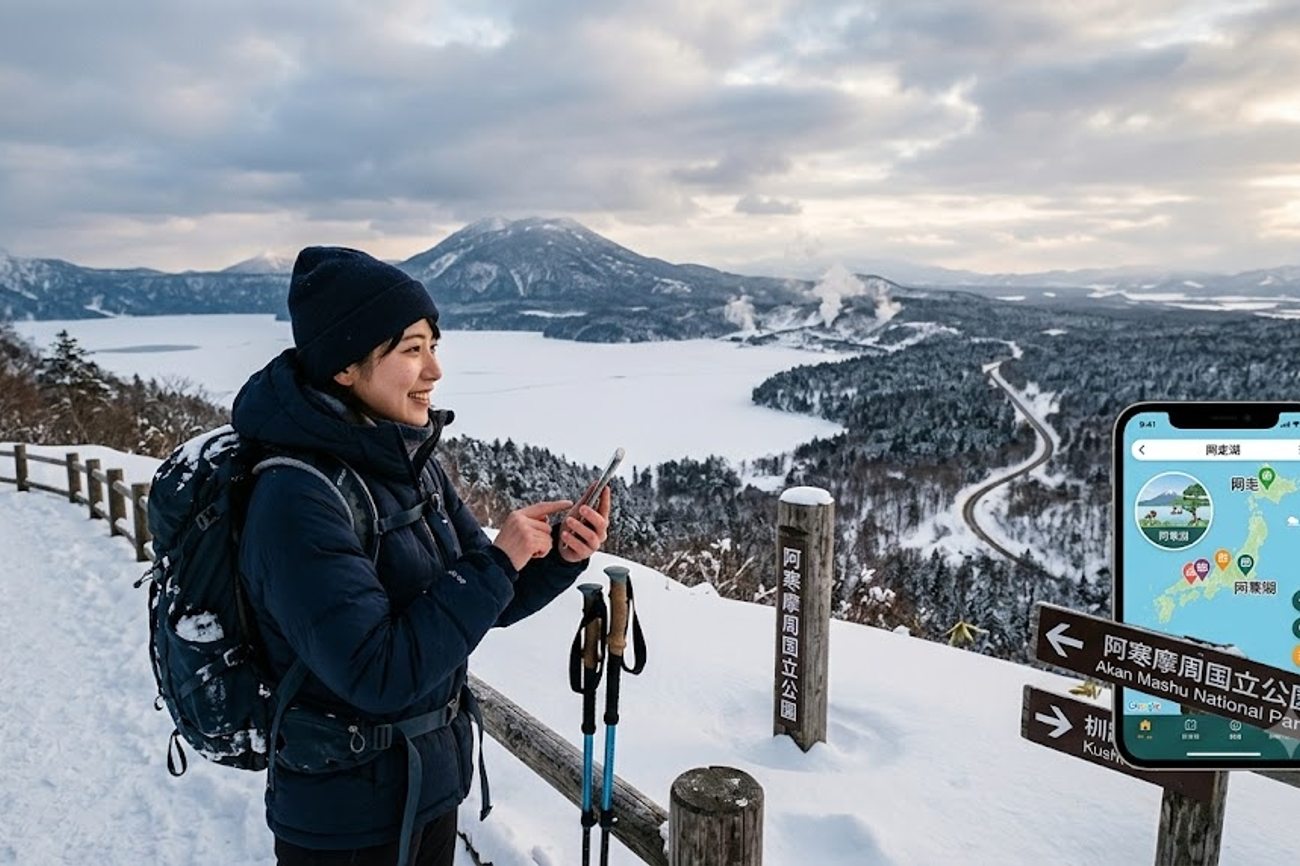
Image generated by AI
While most travelers associate Japan with the neon grids of Tokyo or the shrines of Kyoto, the remote reaches of Eastern Hokkaido are now using underwater drones and VR simulations to protect their wilderness. In a region where the red-crowned crane and Okhotsk drift ice reign supreme, technology is no longer about flashy marketing, but about creating a digital shield for some of the country's most fragile ecosystems.
The Shift Toward Smart Wildlife Management
Eastern Hokkaido is currently pioneering a transition from traditional tourism—which typically focuses on increasing raw visitor numbers—to a "smart tourism" model. This approach treats technology as a precision tool for destination management rather than a simple promotional megaphone. For the gateway cities of Kushiro and Abashiri, the goal is to balance the growing global appetite for wildlife encounters with the absolute necessity of environmental preservation.
The Japan Tourism Agency is driving this shift through a national digital transformation (DX) strategy. The objective is to move beyond basic websites and implement integrated systems that track visitor movement and streamline logistics. By utilizing data-based destination management, local authorities can identify exactly which trails are over-capacity or which seasonal peaks put too much pressure on local infrastructure. This allows for a more fluid distribution of travelers, steering them away from congested hotspots and toward lesser-known regional attractions.
For the international nomad or slow traveler, this means a fundamental change in how the region is accessed. Digital reservation systems are replacing fragmented booking processes, and personalized travel information is being deployed to ensure visitors arrive with a clear understanding of the environmental etiquette required in these sensitive zones.
What Makes Eastern Hokkaido Different
The allure of this region lies in its raw, unmanicured nature, which stands in stark contrast to the manicured gardens of central Honshu. The geography is split between two distinct ecological powerhouses: the wetlands of Kushiro and the frozen coasts of Abashiri.
Kushiro serves as the primary portal to the Kushiro Shitsugen National Park. This is Japan’s largest wetland ecosystem and the primary sanctuary for the red-crowned crane. The experience here is one of silence and scale, where the horizon is dominated by marshes and rare avian life. To manage this, the region is integrating digital interpretation tools that educate visitors on the fragility of the marshland before they even step foot on a boardwalk.
To the north, Abashiri offers a completely different sensory experience centered on the Okhotsk Sea. This is one of the few places on earth where travelers can witness the phenomenon of drift ice. The innovation here is tactile; for example, drift ice sightseeing operations now employ underwater drone technology. This allows passengers to view the subterranean architecture of the ice through onboard displays, providing a scientific perspective on the marine environment without disturbing the wildlife beneath the surface.
The integration of these two hubs creates a corridor of nature-based tourism that is being mapped through the Official Hokkaido Tourism platforms. By utilizing "VIRTUAL HOKKAIDO," the region now offers augmented and virtual reality previews. This allows a traveler in London or New York to virtually explore the Kushiro Marsh, reducing the "uncertainty barrier" that often prevents international tourists from venturing into Japan's remote north.
Visitor Insider Tips
Navigating Eastern Hokkaido requires a different mindset than navigating a city. The distances are vast, and the weather is volatile.
- The Timing Window: To see the drift ice in Abashiri, your window is narrow—typically between late January and early March. For the cranes in Kushiro, winter is the peak for sightings, but early spring offers a stunning contrast as the wetlands thaw.
- Transport Hacks: Do not rely solely on trains for the "last mile." While the JR Hokkaido network connects the major hubs, renting a 4WD vehicle is almost mandatory for reaching the deeper wilderness areas of the national parks. Ensure your rental includes winter tires (studless) if visiting between November and April.
- Local Etiquette: When observing wildlife, especially the red-crowned cranes, maintain a strict distance. The use of long-lens photography is the local norm; approaching birds for a "better shot" is frowned upon by both locals and conservationists.
- Where to Base Yourself: Use Kushiro as your base for wetland exploration and Abashiri for the Okhotsk coast. However, for a more immersive experience, look for small minshuku (family-run guesthouses) in the outskirts of these cities to experience authentic Hokkaido hospitality.
- Regional Specialty: Try the local Katte-don in Kushiro, where you buy a bowl of rice and wander the market selecting individual slices of fresh seafood from different vendors to build your own custom bowl.
Cultural and Environmental Context
The tension in Eastern Hokkaido is the classic conflict between economic necessity and ecological integrity. The region relies on tourism to sustain its local economies, yet the very assets that attract visitors—the cranes, the pristine marshes, and the ice—are easily damaged by human presence.
By shifting the metric of success from "total arrivals" to "visitor quality," the region is attempting to avoid the over-tourism traps seen in Kyoto. The use of tourism data allows the Japan Tourism Agency to analyze how long visitors stay and which services they actually use. This data-driven approach helps prevent the "day-trip" phenomenon, where thousands of people visit a site for two hours, leave no economic footprint in the local community, but leave behind significant environmental waste.
Furthermore, the focus on digital education via VR and AR is a conscious effort to create "responsible tourists." By providing the context of the ecosystem's fragility before the traveler arrives, the region is fostering a culture of stewardship. This aligns with the broader goals of the UNESCO World Heritage philosophy of preserving natural sites for future generations while allowing for sustainable human interaction.
FAQ: Visiting Eastern Hokkaido 2025
What is the best time to visit? For drift ice in Abashiri, visit between late January and early March. For wildlife and cranes in Kushiro, winter (December to February) is best for sightings, though the wetlands are beautiful in autumn.
Do I need a visa? Visa requirements depend on your nationality. Most Western travelers enter under a visa waiver for short-term tourism, but you should check the latest requirements via the Ministry of Foreign Affairs of Japan.
How do I get there from Tokyo? The most efficient way is to fly from Haneda or Narita to Kushiro Airport or Memanbetsu Airport (near Abashiri). Alternatively, you can take the limited express trains, though this takes significantly longer.
Is it safe for solo travelers? Yes, it is extremely safe. However, solo travelers should be cautious when hiking in remote wilderness areas. Always notify your hotel of your planned route and carry a fully charged phone with offline maps.
Leave only footprints, take only digital memories, and respect the silence of the north.
#KushiroShitsugen #AbashiriDriftIce #HokkaidoWildlife2025 #JapanSmartTourism #OkhotskNature
Related Travel Guides
Disclaimer
This article is for informational and educational purposes only. It does not constitute legal, financial, or professional advice. While we strive to provide accurate and up-to-date information, travel policies, regulations, and conditions change rapidly. Always verify information with official sources before making travel decisions. Nomad Lawyer makes no representations about the accuracy, reliability, completeness, or suitability of the information provided. Readers should consult qualified professionals for advice specific to their circumstances. The views expressed in this article are those of the author and do not necessarily reflect the views of Nomad Lawyer.
Raushan Kumar
Founder & Lead Developer
Full-stack developer with 11+ years of experience and a passionate traveller. Raushan built Nomad Lawyer from the ground up with a vision to create the best travel and law experience on the web.
Learn more about our team →