
Japan Targets 60 Million Visitors with Regional Tourism Expansion Beyond Tokyo, Kyoto, and Osaka Golden Route in 2026
Japan reaches 24.5M arrivals in H1 2026 as JNTO launches regional travel initiatives to redirect visitors beyond the traditional Golden Route.

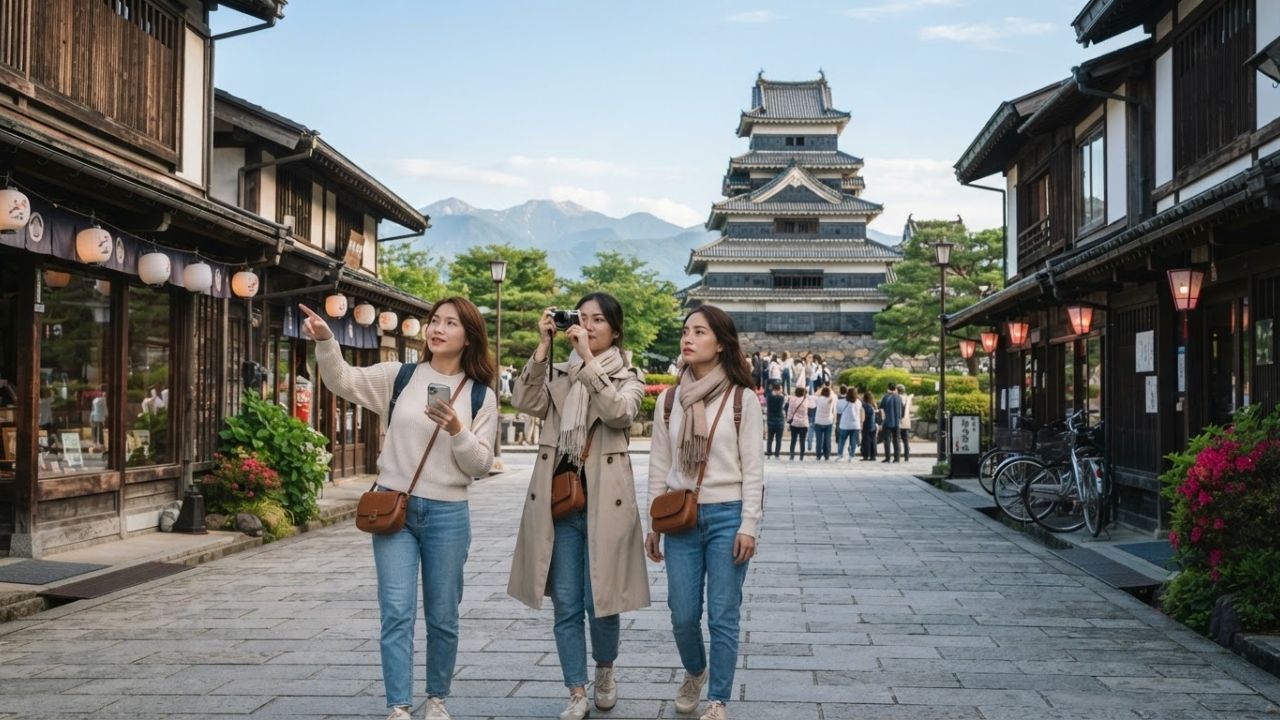
Image generated by AI
Japan’s tourism industry has reached record inbound visitor volumes in 2026, recording 3.44 million international arrivals in July alone and driving total arrivals past 24.5 million during the first seven months of the year. Following a benchmark 2025 that saw 42.68 million international visitors, the Japan National Tourism Organization (JNTO) is pivoting its national strategy from rebuilding post-pandemic demand toward managing sustained growth and redistributing visitor footfall beyond major metropolitan gateways.
To curb overtourism across the traditional "Golden Route"—encompassing Tokyo, Kyoto, and Osaka—tourism authorities are executing a targeted regional dispersal strategy. Key market initiatives, such as JNTO Vietnam's trade-led push announced at ITE HCMC 2026, focus on encouraging travelers from Southeast Asia, Europe, North America, and the Middle East to explore secondary prefectures and travel during low-season windows.
Inbound Arrival Benchmarks and the 2030 Tourism Roadmap
Japan's rapid tourism expansion is supported by broad-based international demand. Data compiled by JNTO indicates that 21.08 million international visitors arrived during the first half (H1) of 2026. July 2026 set an all-time monthly record with 3.44 million arrivals, led by robust growth from South Korea, Taiwan, Indonesia, Vietnam, and Mexico. Furthermore, JNTO's 2026 overseas market survey revealed that Japan ranked first as the most desired future destination across 18 of 22 surveyed international markets.
Japan Inbound Growth Trajectory & National Policy Target
├── 2025 Full-Year Benchmark  ──►  42.68 Million International Arrivals
├── 2026 Jan–July Arrival     ──►  24.5+ Million Visitors (July Record: 3.44M)
└── 2030 National Policy Target ─► 60 Million Visitors & ¥15 Trillion Inbound Expenditure
Under Japan’s national tourism framework for 2026–2030, authorities maintain an ambitious policy target of 60 million annual international visitors and ¥15 trillion in inbound spend by 2030. However, achieving this target without overloading urban infrastructure requires spreading visitor volume across regional prefectures in Tohoku, Chugoku, Shikoku, and Kyushu.
Inbound Tourism Performance and Strategy Specifications
Japan's national tourism policy combines volume growth with regional dispersal, high-value travel, and low-season scheduling.
| Performance Category | Key Figures & Targets | Primary Source Markets | Strategic Policy Objective |
|---|---|---|---|
| July 2026 Inbound Arrivals | 3.44 million (All-time July record) | South Korea, Taiwan, Vietnam, Indonesia, Mexico | Managing mid-summer peak transit flows and airport entry capacity |
| 2026 Seven-Month Total | 24.5+ million arrivals (H1: 21.08M) | Global inbound visitor markets | Maintaining steady year-round volume across international gateways |
| 2025 Baseline Record | 42.68 million annual visitors | East Asia, Southeast Asia, North America, Europe | Benchmark metric establishing post-pandemic structural recovery |
| 2030 National Target | 60 million visitors / ¥15 trillion spend | Global market expansion (inc. Dubai, Stockholm, US) | Transitioning from high-density urban stays to high-value regional tourism |
| Regional Dispersal Priority | Shift beyond Tokyo, Kyoto & Osaka | Organized group & FIT travelers | Mitigating urban overtourism through trade training, FAM trips & low-season push |
Trade Partnerships and Low-Season Travel Dispersal
A central component of Japan’s regional tourism push involves trade-level cooperation in key emerging markets. Speaking at the International Travel Expo (ITE HCMC 2026), Matsumoto Fumi, Executive Director of the JNTO Vietnam Office, outlined a three-pillar strategy to diversify itineraries for Vietnamese travelers:
- Trade Destination Education: Providing travel agencies with detailed destination intelligence on lesser-known prefectures beyond Tokyo and Osaka.
- Familiarisation (FAM) Industry Trips: Hosting travel agents and tour operators in regional prefectures to experience local transport, accommodations, and seasonal attractions directly.
- Joint Digital Campaigns & Low-Season Promotion: Launching online promotional campaigns with travel sellers to market travel during low-density seasonal windows.
JNTO Regional Dispersal Strategy (3-Pillar Trade Model)
├── Pillar 1: Destination Intelligence ──► Supplying Regional Data to Travel Sellers
├── Pillar 2: Industry FAM Trips        ──► Hosting Agents in Secondary Prefectures
└── Pillar 3: Low-Season Digital Pushes ──► Promoting Travel Outside Peak Windows
JNTO is simultaneously expanding promotional efforts across high-value long-haul markets, including Dubai in the Middle East, Stockholm in Europe, and North America. By promoting adventure, gastronomy, and MICE (Meetings, Incentives, Conferences, and Exhibitions) travel, authorities aim to capture higher per-visitor expenditure in regional communities.
Traveler Logistics Guide: Navigating Regional Japan Beyond the Golden Route
For international travelers seeking to bypass congested Golden Route gateways, navigating regional Japan requires strategic transit planning and ticket selection.
1. Utilizing Regional Rail Passes and Shinkansen Networks
- Regional JR Passes: Rather than purchasing a nationwide pass, travelers focusing on specific regions should utilize targeted passes from Japan Railways (JR Group), such as the JR East-South Hokkaido Rail Pass, JR Kansai-Hiroshima Area Pass, or JR Kyushu Rail Pass. These passes cover local Shinkansen bullet trains and express networks at significantly lower costs.
- SmartEX & Shinkansen Reservations: Reserve oversized baggage seats on Tokaido, Sanyo, and Kyushu Shinkansen lines using the SmartEX app or official station kiosks, especially when traveling with luggage exceeding 160 cm (total dimensions).
2. Direct Flights to Secondary Regional Airport Gateways
- Bypassing Haneda and Narita: International visitors can route directly into secondary airport gateways to avoid Tokyo congestion:
- Chubu Centrair International Airport (NGO) in Nagoya: Ideal access node for the Japanese Alps, Takayama, and Kanazawa.
- Fukuoka Airport (FUK) in Kyushu: Gateway for Beppu, Yufuin, and southern hot spring corridors.
- New Chitose Airport (CTS) in Sapporo: Primary entry point for Hokkaido nature and winter sports.
- Domestic Budget Airline Connections: Carriers such as Peach Aviation and Jetstar Japan provide frequent, low-cost regional air links between Kansai (KIX) or Narita (NRT) and regional hubs like Aomori, Sendai, and Kagoshima.
3. Digital Payment and Regional IC Card Integration
- Digital IC Cards (Suica / Pasmo / ICOCA): Add a digital Suica or Pasmo card to Apple Wallet or Google Pay prior to arrival. Digital IC cards allow seamless tap-and-go transit across regional buses, local trains, and convenience stores nationwide.
- Cash Readiness in Rural Areas: While major cities operating under the Ministry of Land, Infrastructure, Transport and Tourism (MLIT) framework are heavily digitized, small rural ryokans, local buses, and regional shrines often require Japanese Yen (JPY) cash payments.
Infrastructure Impact and Destination Management Assessment
Distributing 60 million annual visitors across Japan requires balancing regional economic growth with infrastructure capacity.
- Relieving Urban Transit Bottlenecks: Redirecting tour groups away from Kyoto’s municipal bus network and Tokyo's major station nodes helps reduce local overcrowding during peak cherry blossom and autumn foliage seasons.
- Economic Revitalization for Secondary Prefectures: Spreading tourist spend into rural communities in Tohoku, San'in, and Shikoku supports local transport operators, traditional craft artisans, and family-owned ryokans.
- Accommodation Tax and Regional Funding: Cities like Kyoto and Tokyo have instituted localized accommodation taxes to fund tourist transit infrastructure, a model increasingly being evaluated by secondary prefectures seeking to manage regional visitor growth.
Frequently Asked Questions: Japan Tourism & Regional Travel 2026
How many international visitors visited Japan in early 2026?
Japan welcomed 3.44 million international visitors in July 2026, bringing total arrivals during the first seven months of the year to over 24.5 million following a record-breaking 42.68 million arrivals in 2025.
What is the "Golden Route" in Japan tourism?
The "Golden Route" refers to the traditional, highly populated tourist corridor connecting Tokyo, Mount Fuji, Kyoto, and Osaka, which experiences heavy visitor concentration during peak travel seasons.
What is Japan's national tourism target for 2030?
Japan's official tourism roadmap targets 60 million international visitor arrivals and ¥15 trillion in total inbound tourism expenditure by 2030, supported by regional travel expansion and high-value tourism.
How can travelers avoid crowds when visiting Japan?
Travelers can avoid crowds by flying into regional airport gateways (like Nagoya or Fukuoka), utilizing regional JR rail passes to explore secondary prefectures (such as Tohoku or Kyushu), and traveling during off-peak low-season months.
Related Travel Guides
Japan Mount Tokachidake Volcano Alert Raised to Level 3 in Hokkaido
Analog Tourism Surge in Japan, UK, and France Drives Travel Shift
The 10 Best Hidden Destinations in Regional Japan, According To Reddit
Disclaimer
This article is for informational and educational purposes only. It does not constitute legal, financial, or professional advice. While we strive to provide accurate and up-to-date information, travel policies, regulations, and conditions change rapidly. Always verify information with official sources before making travel decisions. Nomad Lawyer makes no representations about the accuracy, reliability, completeness, or suitability of the information provided. Readers should consult qualified professionals for advice specific to their circumstances. The views expressed in this article are those of the author and do not necessarily reflect the views of Nomad Lawyer.
Raushan Kumar
Founder & Lead Developer
Full-stack developer with 11+ years of experience and a passionate traveller. Raushan built Nomad Lawyer from the ground up with a vision to create the best travel and law experience on the web.
Learn more about our team →