
Japan's 2026 After-Dark Tourism Boom: Legal Shifts in Shibuya and the Rise of Yokai Noctourism
Japan is leading an Asian shift toward 'noctourism,' replacing imported Halloween tropes with indigenous folklore and strict urban regulations to combat climate stress and overcrowding.

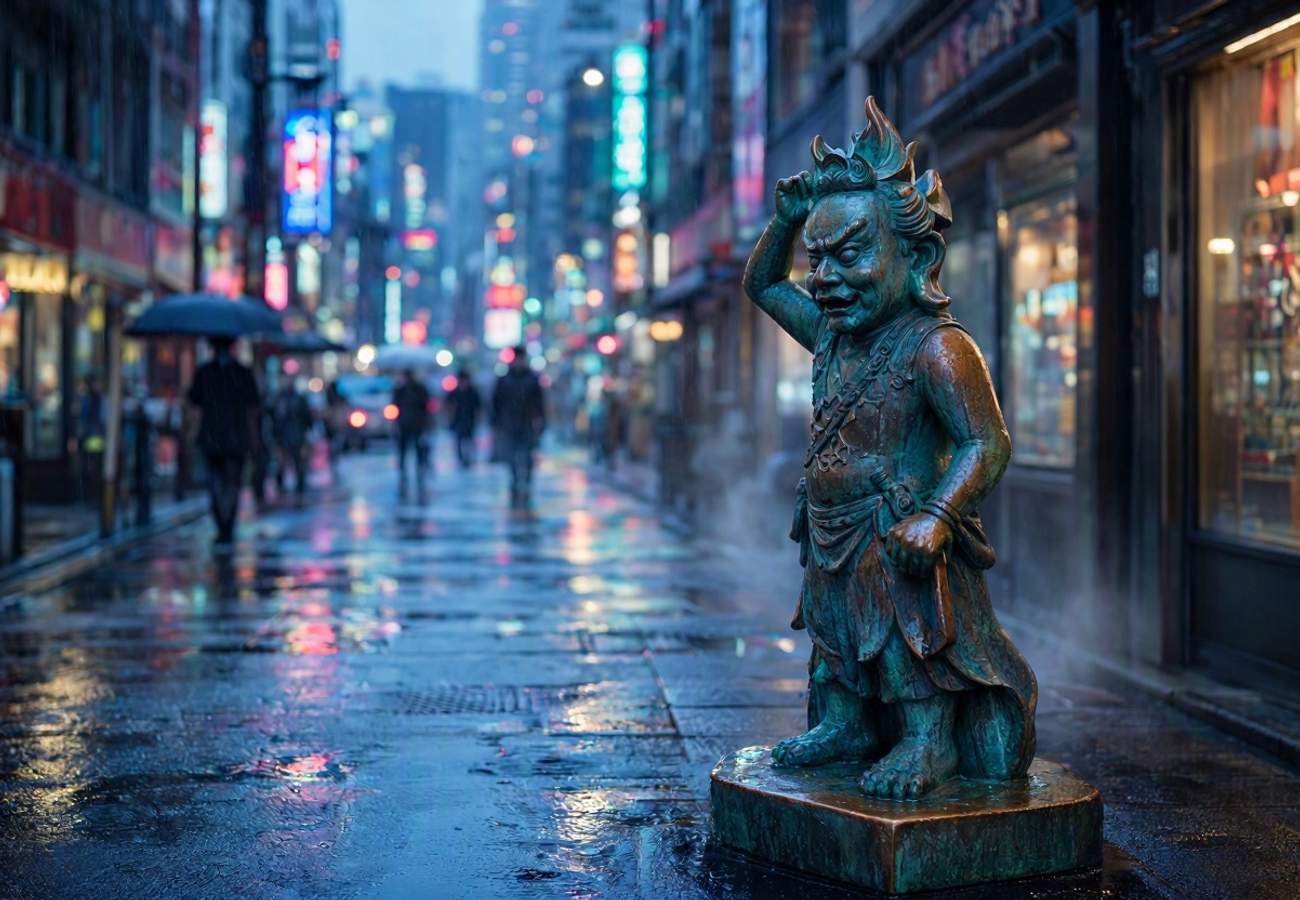
Image generated by AI
Imagine landing in Tokyo this October, expecting the chaotic, costume-filled revelry of the Shibuya Scramble, only to find a strict police presence and a total ban on street drinking. For the modern traveler, the "Halloween" experience in Japan has been legally dismantled and replaced by a sophisticated, state-led movement toward "noctourism"—a strategic shift that moves the tourist economy from the scorching midday sun to the spiritual shadows of the night.
The Strategic Pivot to Noctourism in Asia
Across the Asia-Pacific region, tourism boards are executing a fundamental structural realignment. The traditional daylight itinerary—centered on monuments and coastal leisure—is being phased out in favor of nocturnal programming. This is not merely an extension of dinner hours; it is a coordinated policy shift designed to solve two systemic crises: extreme thermal stress and heritage site congestion.
Data from UN Tourism indicates that record-breaking heatwaves in subtropical Asia have made daytime sightseeing physically hazardous. By shifting high-traffic activities to after-dark windows, municipal managers are utilizing a "climate-adaptive" model. This allows travelers to avoid hazardous solar radiation and peak wet-bulb temperatures, ensuring that public health is maintained without requiring the construction of expensive new indoor infrastructure.
From Commercial Imports to Indigenous Spirits
There is a visible legal and cultural divorce from Western-style celebrations. For years, East Asian cities relied on commodified Halloween formats characterized by unmanaged street parties. In 2026, national frameworks have pivoted toward "living folklore." Instead of synthetic horror tropes, destinations are now monetizing native metaphysical narratives:
- Japan: Focus on yokai (demon/spirit) legends and animist traditions.
- China: Emphasis on Daoist and Buddhist Hungry Ghost (Zhongyuan) rites.
- South Korea: Integration of Joseon dynastic ceremonies and shamanism.
- Mekong Basin: Promotion of Theravada Buddhist Ok Phansa fire ceremonies.
Regulatory Crackdowns: The Shibuya Model
The most significant legal shift for visitors is occurring in Tokyo’s Shibuya Ward. To combat the public safety risks, emergency vehicle obstructions, and sanitation costs associated with mass gatherings, the Shibuya Ward Assembly has implemented sweeping legislative interventions.
A permanent ordinance now prohibits public street drinking within the station precinct, the Scramble Crossing, Center-Gai, and Miyashita Park between 18:00 and 05:00. This is supported by administrative mandates requiring over 60 local retailers to halt late-night alcohol sales during the autumn peak. For the traveler, this means the "party" has been legally pushed out of the streets and into regulated, ticketed indoor venues.
Regional Economic Redistribution: The Yokai Corridors
As urban centers like Shibuya tighten regulations, the economic value is being redistributed to rural prefectures. Tottori Prefecture has successfully monetized its spiritual heritage through the Mizuki Shigeru Road in Sakaiminato. This corridor features over 170 bronze statues of folkloric creatures, transforming a peripheral coastal settlement into a high-demand cultural hub.
By integrating night illumination runs and evening stamp rallies, these regions are capturing the spending of Gen-Z and millennial "Free Independent Travelers" (FITs) who prioritize atmospheric, immersive experiences over passive sightseeing.
Noctourism Operational Framework 2026
| Strategic Driver | Operational Mechanism | Primary Impact on Traveler |
|---|---|---|
| Climate Adaptation | Shifting outdoor activities to nocturnal windows | Reduced heat exhaustion; longer operational hours |
| Cultural Shift | Replacing Western holidays with native folklore | Higher authenticity; specialized ticketed events |
| Urban Regulation | Strict bans on street drinking/gathering (e.g., Shibuya) | Move from public disorder to regulated hospitality |
| Demographic Capture | Immersive theatrical narratives | Increased cost for premium, limited-access circuits |
Your Rights and Practical Options as a Traveler
When navigating these new regulatory environments, passengers and tourists should be aware of their legal standing and practical alternatives.
1. Compliance and Local Ordinances: In jurisdictions like Shibuya, "administrative requests" often carry the weight of law. While a request to stop drinking may not always result in immediate arrest, repeated non-compliance can lead to detention or fines under municipal sanitation and public order laws. Always check the Japan National Tourism Organization (JNTO) for current local ordinances before visiting high-traffic districts.
2. Ticketed Event Protections: As noctourism shifts toward "premium ticketing" and "limited-access circuits," travelers are now entering more formal contractual agreements with tour operators. If a ticketed "Night Folklore Tour" is cancelled or significantly altered, consumers should seek refunds based on the terms of service. For those booking through international agencies, ensure your travel insurance covers "event cancellation" rather than just "flight cancellation."
3. Rebooking and Itinerary Strategy: If you find urban centers too restrictive, pivot your itinerary toward the "Yokai Corridors" of Tottori or the spiritual circuits of Kyoto. Use Flightradar24 to monitor regional airport traffic to smaller hubs, which are seeing increased arrivals as tourists bypass the congested centers of Tokyo and Osaka.
FAQ: Japan Noctourism 2026
Is street drinking still allowed in Shibuya? No. A permanent ordinance prohibits public drinking in the station precinct, Scramble Crossing, Center-Gai, and Miyashita Park from 18:00 to 05:00. Penalties include fines and removal from the area.
What is "Noctourism"? It is a strategic shift to schedule tourism activities after dark to avoid extreme daytime heat, reduce heritage site congestion, and promote indigenous spiritual traditions over imported commercial holidays.
Are the Yokai tours in Tottori ticketed? Many are free (such as the Mizuki Shigeru Road statues), but premium experiences, including night illumination runs and museum entries, typically require paid admission.
How does the climate affect my itinerary? Due to rising thermal stress, many open-air sites are now more accessible or offer specialized programming after sunset to protect visitor health.
The era of the unmanaged street party is over; the era of the curated, spiritual night has begun.
Related Travel Guides
Disclaimer
This article is for informational and educational purposes only. It does not constitute legal, financial, or professional advice. While we strive to provide accurate and up-to-date information, travel policies, regulations, and conditions change rapidly. Always verify information with official sources before making travel decisions. Nomad Lawyer makes no representations about the accuracy, reliability, completeness, or suitability of the information provided. Readers should consult qualified professionals for advice specific to their circumstances. The views expressed in this article are those of the author and do not necessarily reflect the views of Nomad Lawyer.
Preeti Gunjan
Contributor & Community Manager
A passionate traveller and community builder. Preeti helps grow the Nomad Lawyer community, fostering engagement and bringing the reader experience to life.
Learn more about our team →