Italy Beats Spain and More as 18 European Venues Put Nightlife Tourism in Focus for City Travellers

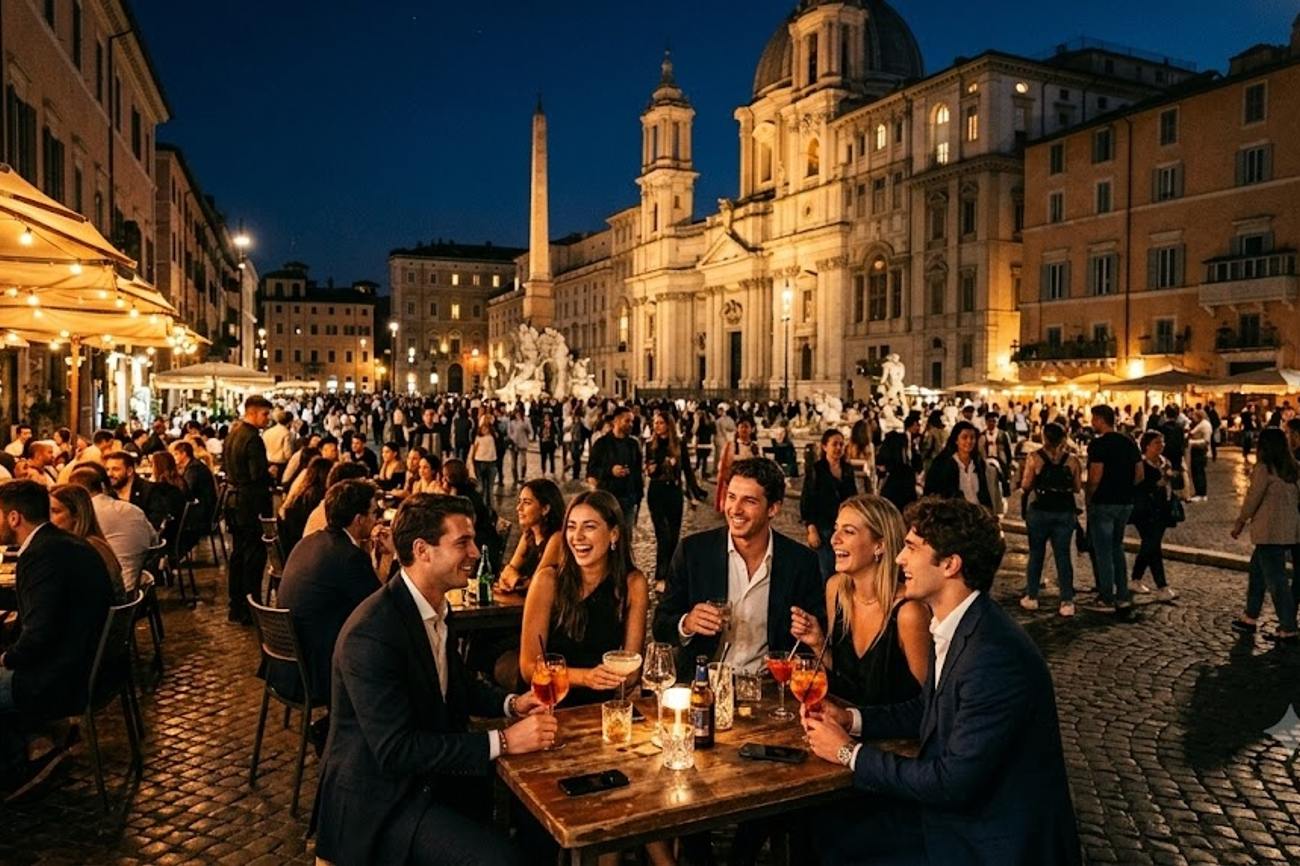
Image generated by AI
[Milan, September 2026] — Italy has emerged as the dominant European leader in high-end nightlife tourism, securing more recognized evening venues than both Spain and the United Kingdom in the 2026 extended global rankings. The data reveals a strategic shift in urban travel, where evening hospitality and "after-hours" cultural experiences are becoming primary drivers for international visitor duration and spending.
The rankings, determined by an independent academy of over 800 global drinks-sector professionals, evaluate establishments based on experiences from the preceding 18 months. While the full 1–50 global list will be unveiled during a ceremony in Milan on 7 October 2026, the current 51–100 extended list confirms Europe's heavy influence with 18 total venues. Italy leads the region with four entries, followed by Spain and the UK with three each. Other contributing nations include Sweden and Greece (two each), and Norway, Türkiye, France, and Ireland (one each).
The Catalyst for Nightlife Tourism
The surge in nightlife-centric travel is triggered by a broader move toward the "extended visitor day." Tourism authorities are no longer relying solely on daytime sightseeing; instead, they are integrating high-value hospitality and late-night cultural access to increase the average length of stay. In Italy, this is evidenced by the integration of world-class cocktail bars and lounges into cities already possessing massive infrastructure for rail and aviation.
The voting process for these rankings is strictly adjudicated to ensure that the venues recognized—such as those in Rome, Barcelona, and London—provide a level of service and experience that attracts international "city travelers" specifically seeking premium evening entertainment. This trend is supported by a rise in inbound aviation volumes, with Italian airports recording 25.5 million passengers in July alone, a 7% increase that provides the necessary flow of visitors to sustain these high-end venues.
Market Impact and Distribution
The distribution of these venues aligns almost perfectly with the highest-density hotel markets in Europe. The concentration of recognized spots in "gateway cities" ensures that nightlife is not a standalone draw but a complement to existing cultural tourism.
European Nightlife Distribution (Positions 51–100)
| Country | Venues | Primary Cities | Ranking Positions |
|---|---|---|---|
| Italy | 4 | Rome, Florence, Milan | 62, 91, 92, 94 |
| Spain | 3 | Barcelona, Madrid | 52, 66, 90 |
| UK | 3 | London, Edinburgh | 72, 73, 77 |
| Sweden | 2 | Stockholm | 51, 83 |
| Greece | 2 | Athens | 55, 76 |
| Norway | 1 | Oslo | 65 |
| Türkiye | 1 | Istanbul | 68 |
| France | 1 | Paris | 93 |
| Ireland | 1 | Dublin | 98 |
In Italy, the impact is concentrated in three hubs. Rome hosts Freni e Frizioni (No. 62) and Drink Kong (No. 92). Florence is represented by Gucci Giardino (No. 91), and Milan features 1930 (No. 94). These cities are not starting from zero; according to Istat (Italian National Institute of Statistics), Rome, Milan, Venice, and Florence accounted for 17.2% of all national overnight stays in 2025.
Spain shows a similar pattern of concentration. Barcelona holds two spots with Boadas (No. 52) and Foco (No. 90), while Madrid is represented by Salmon Guru (No. 66). This aligns with data from the National Statistics Institute (INE) of Spain, which reported 11.54 million international tourists in July 2026 alone—a 4.6% increase over the previous year.
Practical Traveler Advisory and Strategic Insights
For the modern nomad or luxury traveler, the professionalization of nightlife tourism means that "evening itineraries" are now as structured and curated as museum tours.
Direct Passenger Impacts:
- Extended Itineraries: Travelers are encouraged to book longer stays. Italy's average stay currently sits at 3.15 nights, supporting multi-day urban exploration rather than quick transit.
- Shift in Scheduling: The "night-time economy" is moving beyond bars. In Rome, August 2026 saw over 56,000 visitors attend evening openings at the Pantheon and Colosseum. In Milan, the Castello Sforzesco recorded over 4,000 museum admissions during late-day initiatives.
- Higher Spend Profiles: The growth in evening hospitality correlates with increased spending. In June 2026, foreign traveler spending in Italy reached €6.8 billion, up 4.8%.
- Transport Demand: Increased activity after traditional hours is driving higher demand for late-night transport services and ride-sharing within city centers.
The 2026 Outlook and Expansion
The trajectory for 2026 suggests that nightlife will become a formal pillar of urban tourism strategy. The upcoming ceremony in Milan on 7 October will likely catalyze further investment in the "experience economy," pushing more cities to extend the operating hours of their cultural landmarks to compete with the recognized venues.
Italy has taken the top spot as the preferred destination for nightlife tourism, surpassing Spain and other European countries, with 18 venues putting nightlife at the forefront of their city travel experiences. According to the Italian National Tourism Board, the country's rich history, art, architecture, and vibrant nightlife make it an ideal destination for city travellers. With its unique blend of culture and entertainment, Italy is expected to attract a large number of tourists in the coming year.
Spain is already leveraging this momentum. Between January and July 2026, Spain welcomed 58.11 million international tourists, with total expenditure reaching €82.05 billion. This massive financial influx provides the capital for venues in Madrid and Barcelona to further refine their offerings to maintain their positions in the global rankings.
In Italy, the data from Q2 2026 shows nearly 148 million tourist nights (up 3.9% year-on-year), with international visitors generating 61.6% of those stays. This indicates that the demand for premium evening experiences is being driven primarily by foreign nationals, making the global rankings a critical marketing tool for attracting high-net-worth travelers.
FAQ: European Nightlife Tourism 2026
Which European cities have the most recognized nightlife venues? Italy leads with four venues across Rome, Florence, and Milan. Spain and the UK follow with three each, primarily concentrated in Barcelona, Madrid, London, and Edinburgh.
How are these nightlife rankings determined? An independent academy of over 800 international drinks-sector professionals votes on establishments based on their personal experiences over the preceding 18 months.
Does this trend affect museum and landmark visiting hours? Yes. Cities like Rome and Milan are experimenting with evening openings. For example, the Colosseum and Pantheon recently attracted over 56,000 evening visitors in a single month.
Is this growth impacting overall tourism numbers? Yes. Increased evening activity supports longer average stays (3.15 nights in Italy) and higher international spending, with Italy seeing a 4.8% increase in June foreign spending.
The shift from daytime sightseeing to a 24-hour urban experience is officially redefining the European city break.
Related Travel Guides
- Shanghai, Seoul and Tokyo Keep Pace With Leading Asian Destinations as Mega-Event Tourism Drives Longer Stays
- China’s Heritage Revival Turns Xi’an and Xiamen Into Rising Cultural Cities Shaping Future Travel Trends
- Spain Beats Luxembourg and More as Strong European Passports Boost Visa-Free Travel in 2026
This article is for informational purposes. Flight routes, passenger regulations, visa rules, and transit advisories are subject to change by airlines and aviation authorities. Readers are advised to verify schedules and travel documentation with relevant carriers and border agencies before departure.
Related Stories
AI Algorithmic Bias Drives Overcrowding in Florence and Europe's Iconic Hubs in 2026

Sicily, Tuscany and Piedmont: Italy's Luxury Vineyard Escapes Attract US Travelers in 2026