China’s Heritage Revival Turns Xi’an and Xiamen Into Rising Cultural Cities Shaping Future Travel Trends

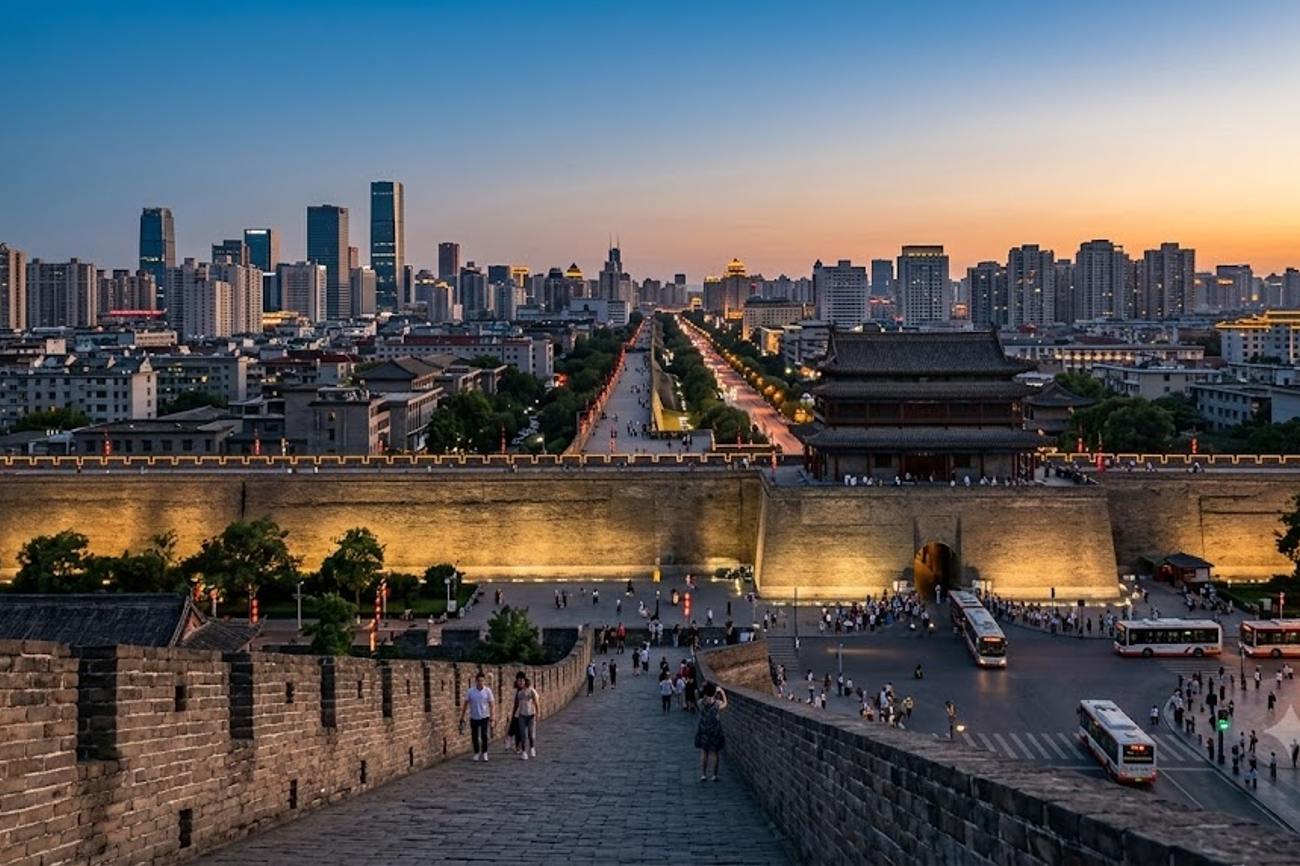
Image generated by AI
[Beijing, October 2025] — China is aggressively decentralizing its international tourism model, shifting focus away from the traditional Beijing-Shanghai gateways toward regional cultural hubs to drive global visitor growth. This strategic pivot, integrated into the nation's 14th Five-Year Plan (2021–2025), aims to convert historic provincial assets into high-yield, modern travel products that emphasize immersive experiences over passive sightseeing.
The movement is led by a national mandate to fuse cultural preservation with commercial tourism, encouraging cities to develop distinct local identities. By investing in digital infrastructure and heritage-led ecosystems, China is attempting to diversify its inbound market, moving from "landmark-hopping" to "experience-led" travel. This transition is designed to increase the average length of stay for international tourists and distribute economic gains across Shaanxi, Fujian, and other interior provinces.
The Shift Toward Experience-Led Travel
The primary catalyst for this transformation is a fundamental change in consumer behavior. Travelers are increasingly rejecting generic city tours in favor of journeys that integrate local lifestyle, entertainment, and identity. To meet this demand, the Chinese government is implementing a strategy that blends museum curation, night-time economy development, and technology-driven storytelling.
This evolution is not merely about adding new destinations but about redefining the visitor journey. The current strategy focuses on several key transformation pillars:
- Immersive Heritage: Static monuments are being converted into interactive experiences to drive deeper visitor engagement.
- Digital Integration: The rollout of smart tourism platforms and digital interpretation systems to remove language and navigation barriers.
- Night Economy: The development of cultural districts specifically designed for evening consumption, extending the daily spend of the tourist.
- MICE Synergy: Integrating Meetings, Incentives, Conferences, and Exhibitions (MICE) with cultural tourism to capture the high-spending business travel segment.
Regional Powerhouses: Xi’an and Xiamen
Two cities have emerged as the blueprints for this regional expansion: Xi’an, representing the inland historical powerhouse, and Xiamen, representing the coastal lifestyle model.
The Xi’an Model: Ancient Heritage as a Global Product
Xi’an is leveraging its status as the gateway to the Silk Road to create a comprehensive tourism ecosystem. Rather than treating the Qin Shihuangdi Mausoleum and Terracotta Warriors as standalone sites, the city has integrated them into a broader network of digital museums and Tang Dynasty-themed immersive zones.
The scale of this success is evident in the 2025 data. According to the Xi’an municipal government, the city recorded:
- Total Tourist Visits: 327 million
- Total Tourism Spending: 402.62 billion yuan
- International Growth: Significant year-on-year increases in both inbound visitor volume and per-capita expenditure.
Xi’an is further future-proofing its economy by investing in Extended Reality (XR) and Artificial Intelligence (AI) to create "digital cultural products," ensuring that ancient history is accessible via modern interfaces.
The Xiamen Model: Coastal Culture and Wellness
In Fujian Province, Xiamen is pioneering a "slow travel" approach. This model focuses on the intersection of maritime history and urban wellness, moving away from the high-intensity pace of Tier-1 cities.
The centerpiece of this strategy is Gulangyu Island, a UNESCO World Heritage site. Xiamen uses this asset to attract visitors interested in architecture and colonial history, while simultaneously promoting the city's coastal environment for leisure and wellness tourism. This approach targets a different demographic—one seeking authentic local community interaction and relaxed urban exploration.
Practical Traveler Advisory and Strategic Insights
For the international traveler, this shift represents a move from "cookie-cutter" itineraries to highly specialized, theme-based journeys. The practical impact is a significant increase in the variety of available travel products.
Booking and Planning Impact: Travelers will find a surge in specialized tour packages that bypass the traditional "Golden Triangle" (Beijing, Xi’an, Shanghai) in favor of thematic routes. For example, a "Coastal Lifestyle" itinerary now prioritizes Xiamen and Fujian cultural circuits over a standard Shanghai stopover.
On-the-Ground Experience: Visitors can expect a higher degree of technological integration. The transition to "smart tourism" means that museum experiences are becoming more interactive, and city-wide navigation is increasingly handled via integrated digital platforms. Furthermore, the expansion of cultural districts means that the "tourist day" no longer ends at 5:00 PM; night-time tourism is now a core part of the regional offering.
Logistical Changes: As these regional cities scale, infrastructure is being upgraded to handle higher volumes of non-domestic passengers. This includes improved transport connections between regional hubs and upgraded visitor services at provincial airports.
China's heritage revival has transformed Xi'an and Xiamen into rising cultural cities, attracting visitors from around the world with their rich history and vibrant atmosphere. For travelers planning to visit these cities, it is essential to check the latest flight schedules and book in advance through the official website of China Eastern Airlines. By doing so, passengers can ensure a smooth journey and make the most of their trip to these incredible destinations.
Opportunities for Global Travel Operators
The diversification of China's tourism map creates a vacuum for international tour operators to develop niche products. The traditional reliance on major gateways is becoming a liability for agencies that fail to adapt to the "experience-led" trend.
Operators are now encouraged to design multi-city journeys based on specific themes:
- Ancient Civilizations: Pairing Xi’an with other historic interior cities.
- Digital Heritage: Creating itineraries centered on technology-enabled museums and AI-driven exhibits.
- Culinary Tourism: Developing regional food-focused routes that highlight provincial specialties.
- Coastal Wellness: Combining Xiamen’s maritime culture with wellness retreats.
This shift aligns with the China National Tourism Administration's broader goal of improving the overall quality of tourism and strengthening cultural consumption across all provinces.
Infrastructure Upgrades and the Path Forward
The sustainability of this growth depends on the continued rollout of visitor infrastructure. The next phase of development is focused on the "last mile" of the visitor experience. Current investments are being funneled into:
- Smart Tourism Platforms: Centralized digital hubs for booking, navigation, and translation.
- Integrated Commercial Zones: Creating seamless transitions between cultural sites and retail/dining districts.
- Digital Interpretation: Moving beyond printed brochures to augmented reality (AR) guides that provide historical context in real-time.
- Transport Connectivity: Expanding high-speed rail and regional flight paths to make cities like Xiamen and Xi’an more accessible without requiring a long layover in a gateway city.
As China continues to execute its 14th Five-Year Plan, the expectation is that the "tourism map" will continue to expand inward, turning second- and third-tier cities into primary international destinations.
FAQ: China Regional Tourism 2025
Do I still need to visit Beijing or Shanghai to see China? While they remain primary gateways, they are no longer the only options for a comprehensive experience. Cities like Xi’an and Xiamen now offer standalone, world-class cultural infrastructure that provides a deeper look at China's heritage and modern lifestyle.
How has technology changed visiting Chinese museums? Many regional hubs, particularly Xi’an, have integrated XR (Extended Reality) and AI. This means visitors can experience immersive historical recreations and interactive exhibits that were previously unavailable in traditional gallery settings.
Is it easier to navigate these regional cities as a foreigner? Yes. The push for "smart tourism" includes upgraded digital interpretation systems and improved visitor services designed specifically to attract and accommodate international travelers in non-gateway cities.
What is the "night economy" in Chinese tourism? It is a strategic development of cultural districts that remain active after dark. This includes night markets, evening performances, and illuminated heritage sites, allowing travelers to explore cities beyond standard business hours.
The era of the gateway city is ending; the era of the cultural hub has arrived.
Tags: #XianTourism2025 #XiamenTravel #ChinaCulturalTourism #UNESCOGulangyu #ShaanxiProvince #FujianTourism
Related Travel Guides
- Spain Beats Luxembourg and More as Strong European Passports Boost Visa-Free Travel in 2026
- US Joins Other Leading Countries As Kenya Strengthens Tourism With Hapa Ni Wapi Campaign Driving Domestic Travel Growth
- Wasaga Beach Destination Master Plan 2026: Ontario's $38 Million Waterfront Tourism Overhaul
This article is for informational purposes. Flight routes, passenger regulations, visa rules, and transit advisories are subject to change by airlines and aviation authorities. Readers are advised to verify schedules and travel documentation with relevant carriers and border agencies before departure.
Related Stories

Phuket Luxury Tourism Surge 2026: High-Net-Worth Arrivals and New Aviation Routes

Mexico Ecotourism Market Projected to Hit USD 9.29 Billion by 2034 as Green Travel Surges