
Cross-Border Link: Ireland and UK Develop Shared Coastal Tourism Corridor
Ireland and the UK are launching a joint cross-border tourism initiative in January 2026, linking the Wild Atlantic Way with the Causeway Coastal Route.

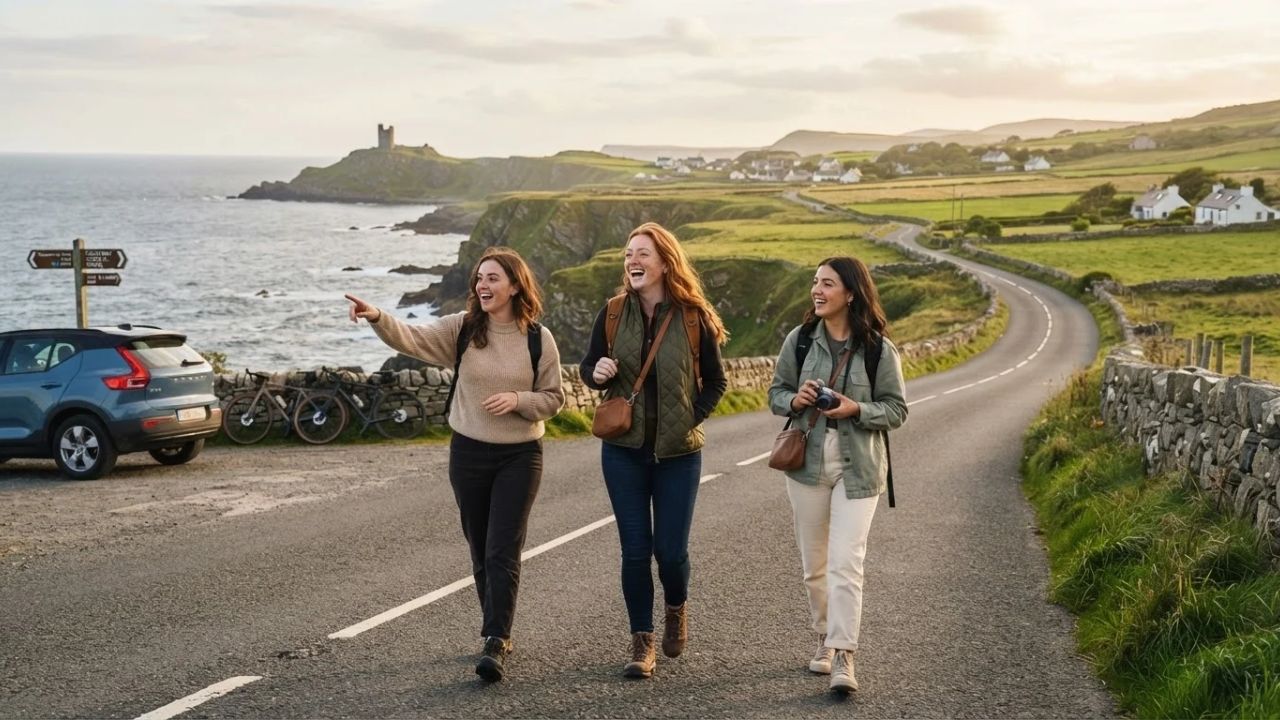
Image generated by AI
Ireland and the UK are launching a joint cross-border tourism initiative in January 2026, linking the Wild Atlantic Way with the Causeway Coastal Route. The plan is designed to coordinate regional infrastructure, extend visitor stays, and support border communities.
The Evolution of Cross-Border Tourism and Route Connectivity
A major trend in destination management is the integration of national coastal routes into seamless, cross-border travel corridors. Historically, neighboring countries promoted their tourism assets independently, requiring travelers to navigate separate visitor programs, inconsistent trail markings, and disjointed destination maps. In 2026, adjacent countries coordinate marketing and infrastructure to present unified regional travel corridors.
By promoting connected coastal routes, tourism boards encourage international visitors to explore rural border areas. This integrated approach disperses tourist traffic away from crowded cities, helping support small-scale hospitality providers, regional guesthouses, and heritage tour guides on both sides of the border.
Launching the Cross-Border Tourism Region in January 2026
The joint tourism strategy, set for implementation in January 2026, focuses on linking the island's primary coastal routes:
- Wild Atlantic Way: Running along the Atlantic coast in the Republic of Ireland, presenting rugged coastlines and cultural experiences.
- Causeway Coastal Route: Stretching along the coast in Northern Ireland, offering natural attractions and heritage landmarks.
- Connected Corridors: Connects Dublin, Belfast, Derry, Donegal, and rural border towns within a single visitor itinerary.
- Border Access: Bypasses traditional border barriers, allowing independent travelers to drive or cycle between jurisdictions with minimal changes beyond road signs and currency.
This route-integration strategy encourages international tourists to extend their stays and visit lesser-known villages.
Infrastructure Investment and Sustainable Travel
The cross-border campaign is backed by capital improvements to support slow tourism:
- Infrastructure Upgrades: Investment priorities cover upgrading visitor centers, enhancing heritage signage, and creating accessible facilities in smaller towns.
- Greenway Networks: Development of walking routes, cycle paths, and greenways along the border to encourage eco-friendly travel.
- Community Distribution: Disperses tourism spending to rural communities that have remained outside major tourism corridors.
- Off-Season Stays: Promotes outdoor experiences throughout the year, reducing the local economy's dependence on summer arrivals.
These investments help border regions transition toward sustainable destination models.
Ireland-UK Border Tourism Coordinates
The table below breaks down the connected routes, target regional hubs, starting timelines, investment categories, and heritage contexts established under the initiative:
| Linked Coastal Routes | Target Regional Hubs | Starting Timeline | Primary Investment Focus | Environmental Travel Modes | Political & Heritage Context |
|---|---|---|---|---|---|
| Wild Atlantic Way (Republic) | Dublin & Donegal | January 2026 | Visitor centers & signages | Walking routes & greenways | Good Friday Agreement peace legacy |
| Causeway Coastal Route (UK) | Belfast & Derry | Joint development | Heritage site interpretation | Cycling trails & slow travel | Shared community traditions |
These coordinates outline the routes, hubs, timelines, investments, modes, and contexts established for the border tourism corridor.
Resource Stewardship and Eco-Friendly Transit
For the traveler, the benefit of exploring connected cross-border routes is the opportunity to use regional train lines and cycling greenways, which minimizes private vehicle emissions along coastal paths. Choosing local guesthouses and family-run restaurants along the border helps retain tourism revenue within the rural economy.
Additionally, respecting trail guidelines in sensitive coastal parks helps prevent dune erosion. Supporting heritage centers and local guides helps preserve the complex history and shared traditions of the border districts.
For example, you can explore the changing dynamics of Stimulus Launch: Taiwan Unveils Billion-Dollar Repeat Visitor Rewards to see how regional governments incentivize visitor spend. For transit updates, comparing international route networks matches other corridors, such as Transit Security: Nations Advocate Middle East Dialogue to Protect Travel updates. This trend is similar to the tourism growth seen in other destinations, as detailed in our guide on how Utica, New York Emerges as an Affordable Northeast Tourism Hub.
Visitor Insider Tips: Traveling the Ireland-UK Border
If you are planning to travel through these connected border routes, keep these practical tips in mind:
- Map Your Route Geographically: Sequence your trip starting on the Wild Atlantic Way in Donegal and cross directly to the Causeway Coastal Route in Derry.
- Carry Both Currencies: Ensure you have both Euros (for the Republic of Ireland) and British Pounds (for Northern Ireland) for small purchases in rural villages.
- Watch for Speed Limit Changes: Note that speed signs switch from kilometers per hour in the Republic to miles per hour upon crossing into Northern Ireland.
- Explore Derry’s Historic Walls: Stop in Derry to walk the 17th-century stone city walls, which offer great views and cultural history.
- Book Farmhouse Guesthouses: Support local farmers by booking traditional farmhouse stays along the border corridor.
Long-Term Outlook for Cross-Border Corridors
The long-term outlook for transit in Ireland and the UK is focused on deploying electric vehicle (EV) charging stations along coastal roads, expanding rail connections between Dublin and Belfast, and integrating booking platforms for cross-border attractions. As visitor interest in slow, sustainable travel grows, tourism agencies will rely on shared strategies to balance arrivals.
By protecting coastal ecosystems and supporting border communities, the regional travel sector aims to build a sustainable destination network.
FAQ
When does the Ireland-UK border tourism initiative begin?
The joint cross-border tourism campaign is set to launch in January 2026.
Which coastal routes are being connected under the plan?
The plan connects the Wild Atlantic Way (Republic of Ireland) with the Causeway Coastal Route (Northern Ireland).
Do travelers need to pass border checkpoints?
No. The land border remains open, allowing visitors to move between the Republic and Northern Ireland without traditional checkpoints.
What are the main cities linked by this travel corridor?
Key cities along the connected corridor include Dublin, Belfast, Derry, and Donegal.
Stay updated on the regional travel regulations and coastal routes shaping European tourism.
Related Travel Guides
Disclaimer
This article is for informational and educational purposes only. It does not constitute legal, financial, or professional advice. While we strive to provide accurate and up-to-date information, travel policies, regulations, and conditions change rapidly. Always verify information with official sources before making travel decisions. Nomad Lawyer makes no representations about the accuracy, reliability, completeness, or suitability of the information provided. Readers should consult qualified professionals for advice specific to their circumstances. The views expressed in this article are those of the author and do not necessarily reflect the views of Nomad Lawyer.
Raushan Kumar
Founder & Lead Developer
Full-stack developer with 11+ years of experience and a passionate traveller. Raushan built Nomad Lawyer from the ground up with a vision to create the best travel and law experience on the web.
Learn more about our team →