
Iran and Oman Near Strait of Hormuz Agreement to Restabilize Gulf Shipping and Boost Tourism
Iran and Oman prepare to finalize a maritime shipping corridor through the Strait of Hormuz, restoring regional cruise and travel confidence.

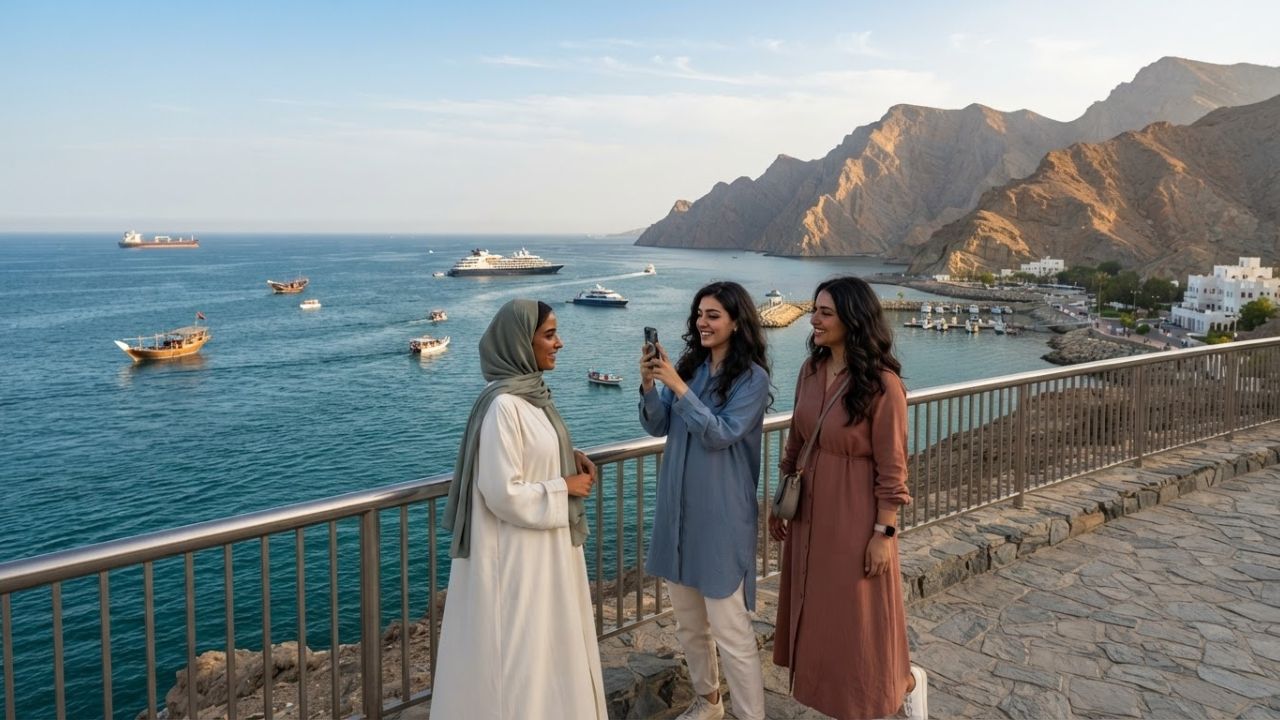
Image generated by AI
Iran and Oman are finalizing a landmark maritime agreement to establish a structured shipping corridor through the Strait of Hormuz. The normalization of transit through this vital waterway aims to reduce security risks, restore commercial cruise schedules, and boost tourism investment across the Gulf.
The Strait of Hormuz has returned to the focus of global maritime planners as Oman and Iran negotiate a cooperative transit framework. The narrow passage, which links the Persian Gulf with the Gulf of Oman and the Arabian Sea, serves as a vital route for international commercial trade and regional passenger traffic.
For several months, travel operators and commercial shippers have navigated uncertainty due to disruptions along the waterway. By establishing standardized procedures, the proposed agreement seeks to stabilize the maritime environment and improve travel confidence throughout the Middle East.
Restoring Maritime Access and the Strait of Hormuz Shipping Corridor
A primary element of the proposed framework is the creation of a designated transit channel for commercial vessels. Under the negotiated system, inbound ships entering the Persian Gulf will utilize a route closer to Iranian territorial waters, while outbound ships will pass along a channel closer to Oman. This split-route system aims to organize traffic flow and reduce navigation risks.
Iranian administrative officials have suggested that vessels using the designated shipping channel may pay service fees to fund environmental protection, maritime safety, and search-and-rescue services. These fees are being managed under the oversight of the Ports and Maritime Organization of Iran while negotiators align details with international maritime laws.
Oman’s Strategic Mediation and Evolving Traffic Regulations
Oman's involvement highlights its strategic role as a mediator within the Arabian Sea trade routes. Managed by the Oman Ministry of Foreign Affairs, Muscat has historically maintained open channels with neighboring nations during periods of regional tension to safeguard free navigation.
The biggest challenge in finalizing the deal is balancing national security concerns with the rights of international vessels. Iran has advocated for regional states to hold primary management responsibilities, whereas international shipping companies expect commercial passage to proceed without unnecessary administrative delays. Establishing clear guidelines on fee collections and security monitoring will determine the long-term effectiveness of the agreement.
Reviving Cruise Tourism and Infrastructure Investments under Vision 2040
The stabilization of the Strait of Hormuz is essential for the region's cruise sector. Gulf nations—including Oman, the United Arab Emirates, Qatar, Bahrain, and Saudi Arabia—have invested heavily in port facilities and coastal resort infrastructure to diversify their economies away from oil.
For Oman, port cities like Muscat and Salalah represent primary entry points for international tourists seeking cultural heritage, nature trails, and beach resorts. The Oman Ministry of Tourism has highlighted these locations in its Vision 2040 strategy, which aims to expand sustainable tourism. A secure maritime corridor allows cruise lines to schedule itineraries with confidence, encouraging longer-term investments in regional hospitality sectors.
Local Visitor Guide and Qatari-Omani Cultural Etiquette
To help you explore the Gulf region and plan your coastal itinerary safely:
- Respecting Dress Codes: When visiting historic sites, souqs, or public beaches in Oman and Qatar, dress modestly. Ensure shoulders and knees are covered, particularly when visiting cultural highlights like the Sultan Qaboos Grand Mosque in Muscat.
- Cruise Stopover Visa Rules: Many Gulf nations offer simplified electronic transit visas or visa-free entry for cruise passengers disembarking for day excursions. Confirm your visa requirements with your cruise operator before departure.
- Local Culinary Specialties:
- In Oman: Try Shuwa (slow-cooked spiced lamb wrapped in banana leaves and roasted in an underground oven) and drink traditional Omani coffee (kahwa) flavored with cardamom and saffron.
- In Iran: Taste Fesenjan (pomegranate and walnut stew with chicken) and Chelo Kabab (saffron rice served with grilled skewers).
- Off-Peak Travel Seasons: Plan your Gulf visits between November and March to enjoy pleasant daytime temperatures (20°C to 28°C) that are ideal for outdoor walking and desert excursions.
- Exploring Salalah's Khareef: Visit Salalah in southern Oman between July and September to experience the unique monsoon season (Khareef), which transforms the dry terrain into green waterfalls.
Future Projections for Shared Gulf Connectivity and Multi-Country Itineraries
If successfully implemented, the maritime deal could encourage more multi-country travel packages within the Gulf Cooperation Council (GCC) region. Travelers will be able to combine modern city tours in Qatar and the UAE with cultural and nature excursions in Oman.
Additionally, a predictable shipping corridor helps stabilize global trade costs, directly affecting aviation fuel prices and hotel operational overheads. By reducing regional security premiums, the tourism sector can focus on expanding sustainable travel offerings, ensuring the long-term viability of coastal destinations across the Middle East.
Related Travel Guides
Disclaimer
This article is for informational and educational purposes only. It does not constitute legal, financial, or professional advice. While we strive to provide accurate and up-to-date information, travel policies, regulations, and conditions change rapidly. Always verify information with official sources before making travel decisions. Nomad Lawyer makes no representations about the accuracy, reliability, completeness, or suitability of the information provided. Readers should consult qualified professionals for advice specific to their circumstances. The views expressed in this article are those of the author and do not necessarily reflect the views of Nomad Lawyer.
Kunal K Choudhary
Co-Founder & Contributor
A passionate traveller and tech enthusiast. Kunal contributes to the vision and growth of Nomad Lawyer, bringing fresh perspectives and driving the community forward.
Learn more about our team →