
Indonesia Transforms Culinary Tourism Through Legendary Regional Flavours
Indonesia culinary tourism rises as travelers seek authentic food journeys, featuring West Sumatran Rendang, Balinese organic farms, and Javanese Gudeg.

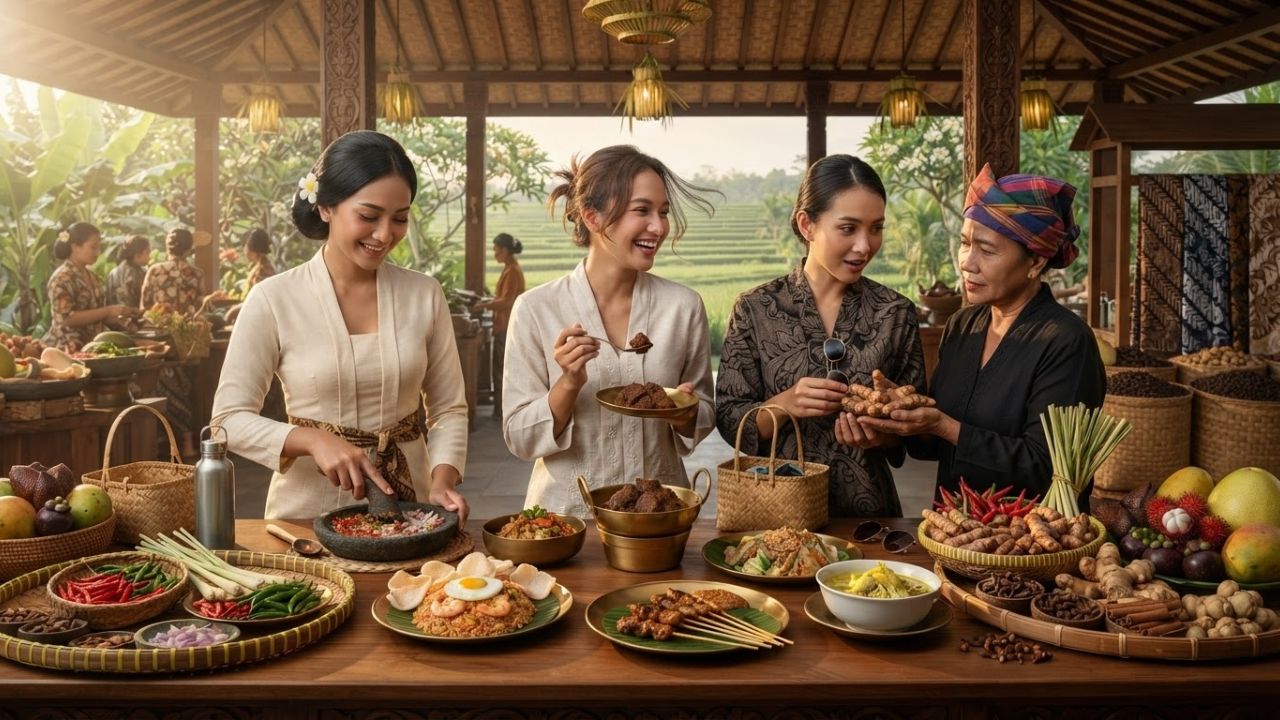
Image generated by AI
Indonesia’s diverse regional cuisines are driving a culinary tourism boom across the archipelago, led by the slow-cooked spice traditions of West Sumatran Rendang and the organic food experiences of Bali.
The Culinary Archipelago: Indonesia's Gastronomy Revolution
Indonesia is emerging as one of Asia’s most popular culinary travel destinations. In this vast archipelagic country, food is not simply a meal but a historical journey through culture, ethnic traditions, and centuries of spice trade. With thousands of islands and hundreds of distinct ethnic communities, the region offers an extraordinary variety of flavors. Travelers are increasingly shifting their focus from traditional beach resorts toward local food markets, family-run kitchens, and community-based agricultural tourism, reflecting shifts in global tourism trends.
To support this interest, the Ministry of Tourism and Creative Economy of the Republic of Indonesia (Kemenparekraf) is actively promoting gastronomy tourism. By highlighting legendary regional dishes and local culinary heritage, the government aims to encourage travelers to explore beyond the primary cities, distributing tourism revenue to rural communities and agricultural producers.
Regional Specialties Across the Indonesian Archipelago
Indonesian cuisine is defined by its use of tropical ingredients, including coconut milk, chili, lemongrass, fresh seafood, and aromatic spices. The diversity of the islands is reflected in their distinct regional culinary identities:
Sumatra
Sumatra's cuisine is strongly associated with intense spice profiles, reflecting the island's historical position along ancient trade routes.
- West Sumatra: Globally recognized for Minangkabau cuisine, West Sumatra is the birthplace of Rendang—a legendary beef dish slow-cooked in coconut milk and a complex spice paste until the liquid caramelizes.
- Aceh: Features strong herbal profiles with Middle Eastern and Indian influences, visible in local curries.
- North Sumatra: Showcases a diverse mix of Batak and Malay flavors, using native ingredients like Andaliman pepper.
Java
Java is the cultural heartland of the country, offering a mix of sweet, savory, and complex spice profiles:
- Yogyakarta: Famous for Gudeg, a traditional sweet-savory dish made from young jackfruit slow-cooked with coconut milk, palm sugar, teak leaves, and spices.
- Jakarta: The capital features Betawi heritage dishes, including Soto Betawi (a rich beef soup with coconut milk), Nasi Uduk (coconut-infused rice), and Gado-Gado (a traditional steamed vegetable salad with peanut sauce).
- Surakarta (Solo): Renowned for its royal-inspired heritage cuisine, featuring delicate spice profiles.
- Bandung: Offers Sundanese cuisine, heavily focused on raw vegetables, sambal, and grilled freshwater fish.
Bali
Bali combines coastal resort tourism with hands-on culinary experiences. Visitors can explore traditional warungs (family-run eateries), organic farm-to-table restaurants in Ubud, and beachside seafood dining in Jimbaran. Balinese cuisine is heavily influenced by Hindu ceremonial traditions, utilizing complex spice pastes known as basa gede.
Lombok and Sulawesi
Lombok is famous for its fiery Sasak cuisine, emphasizing spicy chili pastes and grilled meats. Sulawesi features fresh, seafood-focused dishes reflecting its maritime geography, using regional spices and souring agents like tamarind to create light, aromatic broths.
Sustainable Food Systems and Community Benefits
Gastronomy tourism provides direct economic support to rural Indonesian communities. By prioritizing local ingredients, food tours and cooking schools increase demand for agricultural products from regional farmers and fishermen.
In Ubud, organic farm tours educate visitors on traditional rice farming techniques, helping preserve the historic subak irrigation systems. Supporting independent, family-run warungs ensures that traveler spending remains within the local economy rather than leaking to multinational resort chains. This community-focused model helps protect historic culinary traditions while providing sustainable employment for traditional cooks and regional producers, a strategy that can be paired with coastal exploration, as seen in other Honduras island travel adventures.
Visitor Insider Tips: Dining Like a Local in Indonesia
- Dining Etiquette: When eating at traditional warungs or family homes, always use your right hand. The left hand is considered impolite for handling food.
- Padang Dining Style: When visiting a Minangkabau (Padang) restaurant in Sumatra or Java, request the hidang style. Staff will place dozens of small plates on your table; you only pay for the dishes you actually eat.
- Ubud Market Tours: Book cooking classes that include an early-morning tour of local markets. This supports small agricultural vendors and allows you to learn about native herbs like galangal and turmeric.
- Dry Season Travel: Plan your culinary tours between May and September. The dry weather makes exploring outdoor street food markets in Jakarta or Yogyakarta more comfortable.
- Spiciness Levels: If you are sensitive to chili, ask for your food to be prepared tidak pedas (not spicy) or request the sambal (chili paste) on the side.
Outlook for Indonesia's Gastronomy Industry
The future of tourism in Indonesia is closely connected with experiential travel. As Kemenparekraf develops new regional food trails and expands support for culinary workshops, the archipelago is positioned to become a leading global gastronomy destination.
By maintaining a focus on authenticity, sustainable farming, and community integration, Indonesia is demonstrating how regional food heritage can serve as a bridge to cultural discovery. For future travelers, the opportunity to learn the stories behind these legendary dishes remains a powerful incentive to explore the diverse islands.
FAQ: Indonesian Culinary Tourism
What are the most famous dishes in Indonesian cuisine?
Indonesian cuisine features several globally recognized dishes, including Rendang (slow-cooked beef curry), Nasi Goreng (fried rice), Satay (grilled meat skewers), Soto (regional soups), and Gado-Gado (steamed vegetable salad with peanut sauce).
Why is West Sumatran Rendang so famous?
Rendang is famous for its complex preparation, requiring hours of slow-cooking to allow the beef to absorb a spice mixture of coconut milk, lemongrass, garlic, ginger, and chilies until the liquid evaporates.
What is Yogyakarta’s signature heritage dish?
Yogyakarta is famous for Gudeg, a sweet-savory dish made from young jackfruit slow-cooked in coconut milk and spices, often served with chicken, hard-boiled eggs, and spicy cattle skin (krecek).
Related Travel Guides
Global Tourism Shifts Toward Experience-Based Travel and Cultural Immersion
Honduras Island Travel Adventures: Roatan, Utila, and Cay Cochinos
A Complete Guide to the Best Beaches Along the US East Coast
Disclaimer
This article is for informational and educational purposes only. It does not constitute legal, financial, or professional advice. While we strive to provide accurate and up-to-date information, travel policies, regulations, and conditions change rapidly. Always verify information with official sources before making travel decisions. Nomad Lawyer makes no representations about the accuracy, reliability, completeness, or suitability of the information provided. Readers should consult qualified professionals for advice specific to their circumstances. The views expressed in this article are those of the author and do not necessarily reflect the views of Nomad Lawyer.
Raushan Kumar
Founder & Lead Developer
Full-stack developer with 11+ years of experience and a passionate traveller. Raushan built Nomad Lawyer from the ground up with a vision to create the best travel and law experience on the web.
Learn more about our team →