
Dubai Flight Chaos Strands 100+ Passengers as April 2026 Delays Mount
Dubai flight chaos intensifies in 2026 as over 103 flights face delays and cancellations on April 9. Regional airspace restrictions strand passengers on major routes to London, Paris, New York, and Sydney.

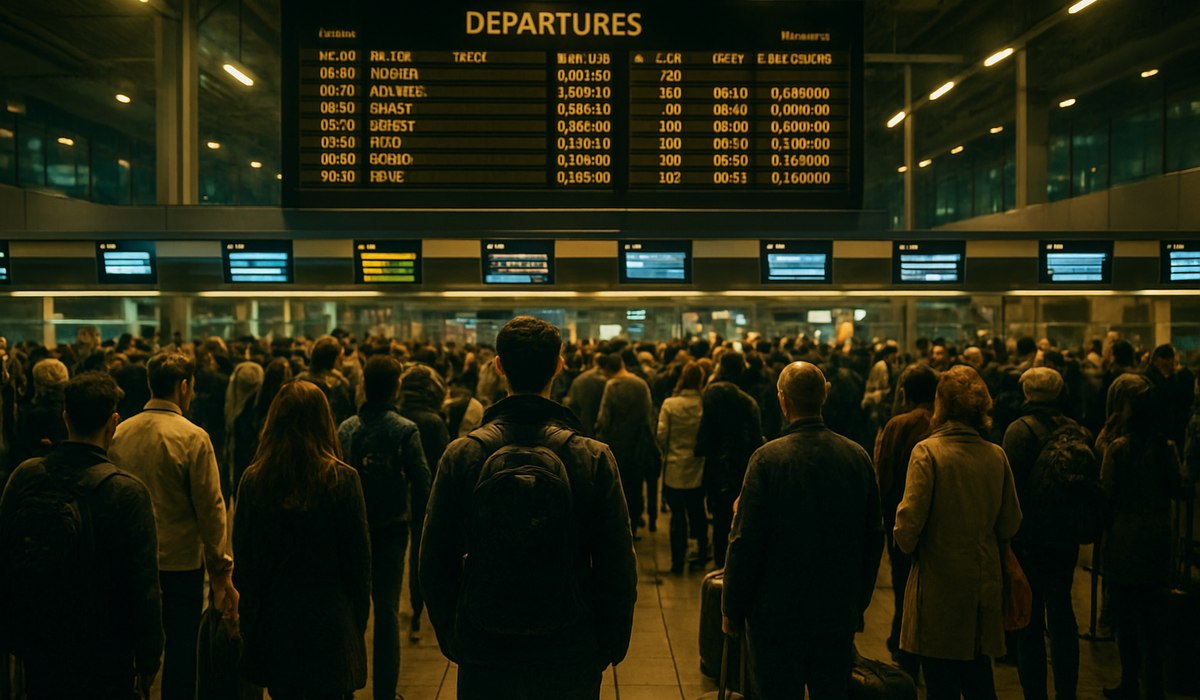
Image generated by AI
Dubai Flight Chaos Strands Travelers as Disruptions Continue
Dubai International Airport experienced widespread operational disruptions on April 9, 2026, with over 103 flights delayed and six canceled, leaving thousands of passengers stranded across major international routes. The persistent dubai flight chaos stems from ongoing regional airspace restrictions tied to Iran-Gulf tensions that have cascaded through aviation operations since late February. This latest wave compounds weeks of schedule volatility, affecting connectivity to London, Paris, New York, Mumbai, and Sydney—routes that typically handle some of the world's highest passenger volumes.
Fresh Wave of Disruptions at a Key Global Hub
April 9 marked another severe operational disruption at what remains the world's busiest airport for international passenger traffic. Flight-tracking data confirmed that at least 103 aircraft were delayed and six were completely canceled during a single operating window, creating backlog conditions across check-in halls, transfer areas, and departure lounges.
The dubai flight chaos reflects an uneven return to normal operations rather than a full recovery. Airport terminals continued managing significant passenger backlogs as travelers awaited rebooking or faced extended layovers. Many flights experienced last-minute retimings, frequency reductions, or consolidation into fewer daily services. The rolling nature of these disruptions—characterized by phased resumptions followed by intermittent interruptions—has created unpredictable travel conditions for both business and leisure passengers.
Secondary facilities at Al Maktoum International Airport, along with other UAE hubs, absorbed diverted traffic, forcing travelers to navigate sudden changes in departure points and arrival times. This distributed disruption pattern added complexity to an already strained system.
Regional Airspace Restrictions Continue to Disrupt Operations
The underlying cause of sustained dubai flight chaos remains regional airspace closures initiated in late February 2026 following tensions between Iran and multiple Gulf states. Unlike a single incident with rapid recovery, these restrictions have persisted for weeks, creating a pattern of phased reopenings and renewed closures tied to geopolitical developments.
Airspace restrictions force airlines to employ longer routing, reduce flight frequencies on affected sectors, and implement tactical cancellations when conditions deteriorate. Each tightening of restrictions reverses weeks of gradual schedule restoration, leaving carriers unable to rebuild inventory on premium long-haul routes.
According to latest assessments from aviation authorities tracking Middle East operations, the regional security environment remains volatile. Airlines operating through Dubai cannot reliably commit to full schedules when airspace access remains conditional. This uncertainty cascades through booking systems, affecting passengers weeks before their departure dates. Travelers with existing reservations face a choice between accepting significant delays, rebooking on alternative flights (often days later), or exploring routes through competing hubs like Doha or Abu Dhabi.
The prolonged nature of these restrictions has exhausted typical disruption management strategies, forcing carriers to make more drastic cuts.
Emirates, FlyDubai and Air India Adjust Schedules
Emirates, Dubai's flagship carrier, has gradually restored international services but continues operating on reduced frequencies. Recent airline guidance indicates that long-haul routes to London, Paris, New York, Mumbai, and Sydney carry fewer daily departures than normal peak levels. The carrier implements tactical cancellations and schedule adjustments when airspace conditions tighten, sometimes with minimal advance notice.
FlyDubai, the low-cost subsidiary, issued explicit passenger guidance advising travelers not to visit the airport unless their booking displays a confirmed departure time. The airline maintains rebooking options and real-time status tools, but passengers face uncertainty on short notice. Earlier schedule disruptions related to destination-airport infrastructure works compounded the challenge of managing regional security constraints.
Air India suspended or sharply reduced regular Gulf operations as of April 8-9, maintaining only limited ad hoc services. This particularly affects passengers traveling between Indian cities and Dubai, especially those with onward connections to Europe, North America, and Australia. Similar adjustments ripple across other regional and international carriers, with some maintaining services to alternative hubs like Doha or Riyadh while suspending UAE rotations.
The patchwork of airline-specific policies created a fragmented marketplace where passengers actively compared options across carriers and competing airports.
High-Profile Routes to London, Paris, New York, Mumbai and Sydney Hit Hardest
The dubai flight chaos disrupts premium international corridors connecting the emirate to major global capitals. Flight-tracking data shows irregular patterns on services to London and Paris, where some departures operate near-schedule while others experience rolling delays or complete removal from daily operations.
Transcontinental routes to New York and Sydney operate at substantially reduced frequencies, creating cascading delays when individual flights are canceled or delayed. Passengers report being moved between departure times, shifted to alternative dates, or rerouted through intermediate hubs when direct seats disappear. These marquee routes, which funnel significant business and leisure traffic through Dubai, became visible bellwethers of broader operational strain.
Industry coverage notes that these long-haul sectors were among the first restored following February shutdowns but now face renewed cutbacks due to airspace tightening. The combination of fewer daily frequencies and selective cancellations creates a compounding delay effect across the network.
Navigating Diverted Traffic Across UAE Airports
Travelers unable to depart Dubai face options at secondary airports within the UAE system. Al Maktoum International Airport, located south of Dubai, absorbed significant diverted traffic as dubai flight chaos mounted. Abu Dhabi International Airport, while further away, offered alternative routing for some passengers.
This geographic distribution of disruptions requires real-time route planning. Passengers must monitor not only their original flight but also alternative departure points. Some airlines offered rerouting through competing regional hubs, adding days to journey times but guaranteeing eventual connectivity.
For passengers with flexible itineraries, exploring routes through Doha (Qatar Airways) or Riyadh (Saudi Arabian Airlines) provided alternatives during peak dubai flight chaos windows. However, such diversions incur additional transportation costs and dramatically extend total travel times.
Key Data Summary: April 9, 2026 Disruption Metrics
| Metric | Value | Impact |
|---|---|---|
| Total Delayed Flights | 103+ | Major queuing at terminals |
| Cancelled Flights | 6 | Passenger rerouting required |
| Duration of Regional Restrictions | 6+ weeks | Insufficient recovery time |
| Primary Cause | Iran-Gulf tensions, airspace closures | Ongoing geopolitical volatility |
| Affected Long-Haul Routes | London, Paris, New York, Mumbai, Sydney | Premium route inventory constraints |
| Airlines Implementing Cuts | Emirates, FlyDubai, Air India, others | Network-wide frequency reductions |
| Secondary Airports Absorbing Traffic | Al Maktoum International, Abu Dhabi | Extended passenger journeys |
| Typical Peak Daily Departures (Normal) | 1,000+ flights | Current: 800-900 flights |
What This Means for Travelers
The persistent dubai flight chaos requires proactive passenger engagement and contingency planning. Travelers with upcoming Dubai connections must take immediate action to protect their itineraries.
Traveler Action Checklist:
-
Contact your airline directly via their official website or customer service phone line to verify your booking status and confirm departure times. Do not rely on automated systems during disruption windows.
-
Monitor flight status continuously using FlightAware or your airline's native app, checking for schedule changes at least 48 hours before departure and again on travel day.
-
Request rebooking options immediately if your flight is canceled or significantly delayed (typically 3+ hours). Ask specifically about alternative dates, carriers, and routing through competing hubs.
-
Understand your passenger rights by reviewing U.S. DOT guidelines for compensation and assistance eligibility, even for international flights operated
Disclaimer
This article is for informational and educational purposes only. It does not constitute legal, financial, or professional advice. While we strive to provide accurate and up-to-date information, travel policies, regulations, and conditions change rapidly. Always verify information with official sources before making travel decisions. Nomad Lawyer makes no representations about the accuracy, reliability, completeness, or suitability of the information provided. Readers should consult qualified professionals for advice specific to their circumstances. The views expressed in this article are those of the author and do not necessarily reflect the views of Nomad Lawyer.
Kunal K Choudhary
Co-Founder & Contributor
A passionate traveller and tech enthusiast. Kunal contributes to the vision and growth of Nomad Lawyer, bringing fresh perspectives and driving the community forward.
Learn more about our team →