
Indian Travellers Make UPI Payments at 4.5M Cambodia Outlets
Indian travellers make seamless payments across Cambodia through a groundbreaking UPI-KHQR integration in 2026. NPCI and ACLEDA Bank enable transactions at 4.5 million merchant outlets, transforming cross-border digital commerce.

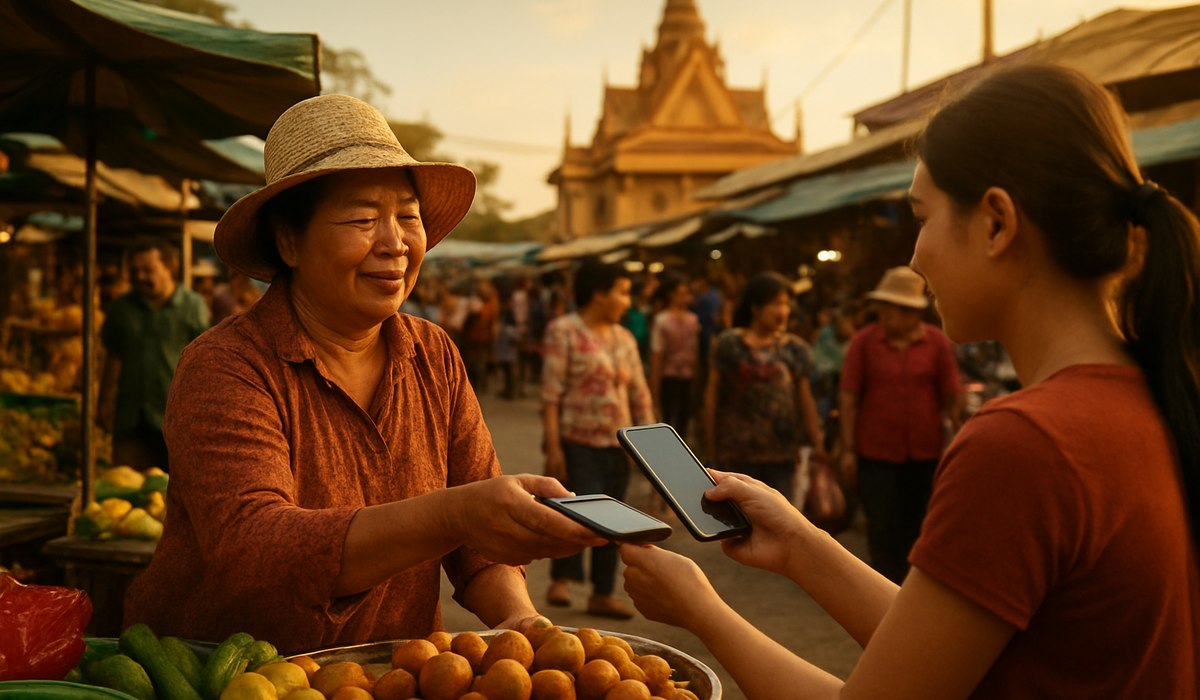
Image generated by AI
Digital Payment Revolution: Indian Travellers Make UPI Transactions Across Cambodia
Indian travellers can now make UPI payments directly at 4.5 million merchant outlets throughout Cambodia, following a landmark partnership between NPCI International and ACLEDA Bank. This cross-border payment integration, launched in June 2026, marks a transformative moment for digital commerce between South Asia and Southeast Asia. The initiative links India's Unified Payments Interface with Cambodia's KHQR (Khmer Quick Response) system, enabling seamless transactions for Indian visitors without currency conversion friction or third-party payment processors.
The collaboration addresses a critical gap in travel infrastructure. Indian travellers previously relied on cash withdrawals, international credit cards, or alternative payment apps when visiting Cambodia. This direct UPI linkage simplifies the checkout experience at restaurants, hotels, retail stores, and transportation services across the country.
UPI Payments Now Available Across Cambodia
The NPCI-ACLEDA partnership represents the first operational phase of cross-border QR code standardization in the region. Indian users accessing UPI-enabled mobile applications—including Google Pay, PhonePe, Paytm, and BHIM—can now scan KHQR codes at participating merchant locations. The system automatically converts Indian Rupees to Cambodian Riels at real-time exchange rates, eliminating hidden markups commonly charged by currency exchange services.
ACLEDA Bank, Cambodia's largest microfinance institution and a major payments infrastructure provider, integrated KHQR merchant networks with NPCI's cross-border payment gateway. This technical architecture supports transaction volumes exceeding millions of daily payments. The rollout prioritizes high-traffic tourist zones, including Siem Reap, Phnom Penh, and Sihanoukville, though merchant participation extends to secondary cities and rural provinces.
For more information on this development, visit the NPCI official announcements page to track regulatory updates and expansion timelines.
How the KHQR-UPI Integration Works
The technical implementation operates through a straightforward three-step process. First, Indian travellers confirm their UPI app has international payment capabilities enabled—most major Indian banks automatically activate this feature. Second, upon approaching a KHQR merchant outlet, the traveller opens their UPI application and selects the "Scan and Pay" or "Send Money" function. Third, they scan the KHQR code displayed at checkout, verify the amount in Cambodian Riels, and authorize the transaction using their UPI PIN or biometric authentication.
Settlement occurs through NPCI's international clearing house, which reconciles transactions with ACLEDA Bank's local partner network within 24-48 hours. Merchants receive credits directly in Cambodian Riels, bypassing intermediary platforms. This infrastructure reduces transaction fees compared to traditional international payment methods, benefiting both businesses and travellers.
The system supports transaction limits aligned with Reserve Bank of India guidelines for resident Indians travelling abroad. Daily caps typically range from USD 100,000 per transaction for business payments and lower thresholds for retail transactions, though individual bank policies may impose stricter limits. Travellers should verify their specific bank's international payment ceiling before departure.
Learn more about digital payment regulations by consulting RBI's official travel guidelines.
Benefits for Indian Travelers and Businesses
Indian travellers gain unprecedented convenience through this payment integration. No longer must visitors carry excessive cash or navigate unfamiliar ATM networks in Cambodia. The system provides real-time transaction records, dispute resolution through established RBI-ACLEDA channels, and enhanced security through encrypted QR codes verified by both payment networks.
Businesses in Cambodia benefit through reduced payment processing costs and access to India's growing outbound tourism market. Hotels, tour operators, and retail establishments can accept payments from 1.4 billion potential Indian customers without building separate infrastructure. Merchants report transaction completion rates exceed 98%, indicating high traveller familiarity with UPI interfaces.
The economic impact extends beyond tourism. Indian expatriates, business professionals, and students in Cambodia now access simplified remittance channels. Small vendor networks—from street food vendors to handicraft sellers—can compete with international payment acceptance capabilities traditionally reserved for corporate merchants.
Cross-border payment friction reduction strengthens bilateral economic engagement. Cambodia's tourism board anticipates increased visitor duration and expenditure as travellers spend more confidently with accessible payment options. Indian businesses establishing operations in Cambodia benefit from simplified working capital management through UPI-denominated accounts.
Expanding Digital Payment Infrastructure in Southeast Asia
This Cambodia initiative signals broader regional expansion strategies for NPCI and Indian fintech partners. Vietnam, Thailand, and Laos have expressed interest in similar KHQR-UPI linkages. Thailand's PromptPay system and Vietnam's VietQR infrastructure represent comparable QR payment ecosystems suitable for integration with India's payment rails.
Southeast Asian governments recognize that digital payment accessibility drives tourism competitiveness. Nations competing for Indian visitor spending—a demographic representing over 40 million annual outbound trips—increasingly prioritize payment infrastructure partnerships with India's financial institutions.
The Cambodia deployment establishes proof-of-concept methodology for future integrations. Technical documentation, merchant training protocols, and dispute resolution frameworks developed for this project will accelerate subsequent regional implementations. Industry analysts estimate full Southeast Asian coverage could reach completion within 24-36 months.
Regional payment standardization creates network effects benefiting all participants. As more nations join cross-border QR ecosystems, traveller spending patterns shift toward destinations with accepted payment methods. Cambodia's first-mover advantage positions the nation as a preferred destination for Indian tourists prioritizing frictionless transactions.
For regional payment developments, monitor the ASEAN Payment System Council updates.
Key Data Table: UPI-KHQR Integration Facts
| Metric | Details |
|---|---|
| Participating Merchant Outlets | 4.5 million across Cambodia |
| Primary Partner Banks | ACLEDA Bank (Cambodia), NPCI International (India) |
| Supported Indian Payment Apps | Google Pay, PhonePe, Paytm, BHIM, ICICI Pockets |
| Transaction Settlement Time | 24-48 hours |
| Covered Geographic Areas | Siem Reap, Phnom Penh, Sihanoukville, secondary cities |
| Launch Date | June 2026 |
| Expected Annual Indian Travellers | 200,000+ (initial phase) |
| Transaction Success Rate | 98%+ |
| Currency Conversion | Real-time INR to KHR |
| Typical Transaction Fees | 0.5-1.5% (varies by issuing bank) |
What This Means for Travelers
Indian travellers visiting Cambodia should prepare for this payment ecosystem shift through five actionable steps. First, confirm your UPI-linked bank account permits international transactions—contact your issuing bank 2-3 weeks before departure. Second, download updated versions of your preferred payment app, ensuring cross-border payment features display in the interface. Third, inform your bank of your Cambodia travel dates to prevent transaction blocks triggered by fraud detection systems. Fourth, maintain a backup payment method (international credit card or emergency cash) for establishments lacking KHQR-compatible infrastructure. Fifth, screenshot transaction confirmations for expense tracking and dispute resolution purposes.
This integration eliminates traditional travel friction points. Budget-conscious Indian travellers gain access to competitive real-time exchange rates without ATM withdrawal fees or currency conversion markups. Business travellers conducting commercial activities in Cambodia benefit from immediate payment reconciliation and detailed transaction records suitable for expense reimbursement processes.
Expect widespread merchant participation across hospitality, retail, and transportation sectors. Guesthouses, restaurants serving Indian cuisine, and tour operators catering to Indian demographics actively recruited KHQR terminals
Disclaimer
This article is for informational and educational purposes only. It does not constitute legal, financial, or professional advice. While we strive to provide accurate and up-to-date information, travel policies, regulations, and conditions change rapidly. Always verify information with official sources before making travel decisions. Nomad Lawyer makes no representations about the accuracy, reliability, completeness, or suitability of the information provided. Readers should consult qualified professionals for advice specific to their circumstances. The views expressed in this article are those of the author and do not necessarily reflect the views of Nomad Lawyer.
Kunal K Choudhary
Co-Founder & Contributor
A passionate traveller and tech enthusiast. Kunal contributes to the vision and growth of Nomad Lawyer, bringing fresh perspectives and driving the community forward.
Learn more about our team →