AI Travel Planning Japan 2026: Navigating Digital Itineraries and JR Pass Price Hikes

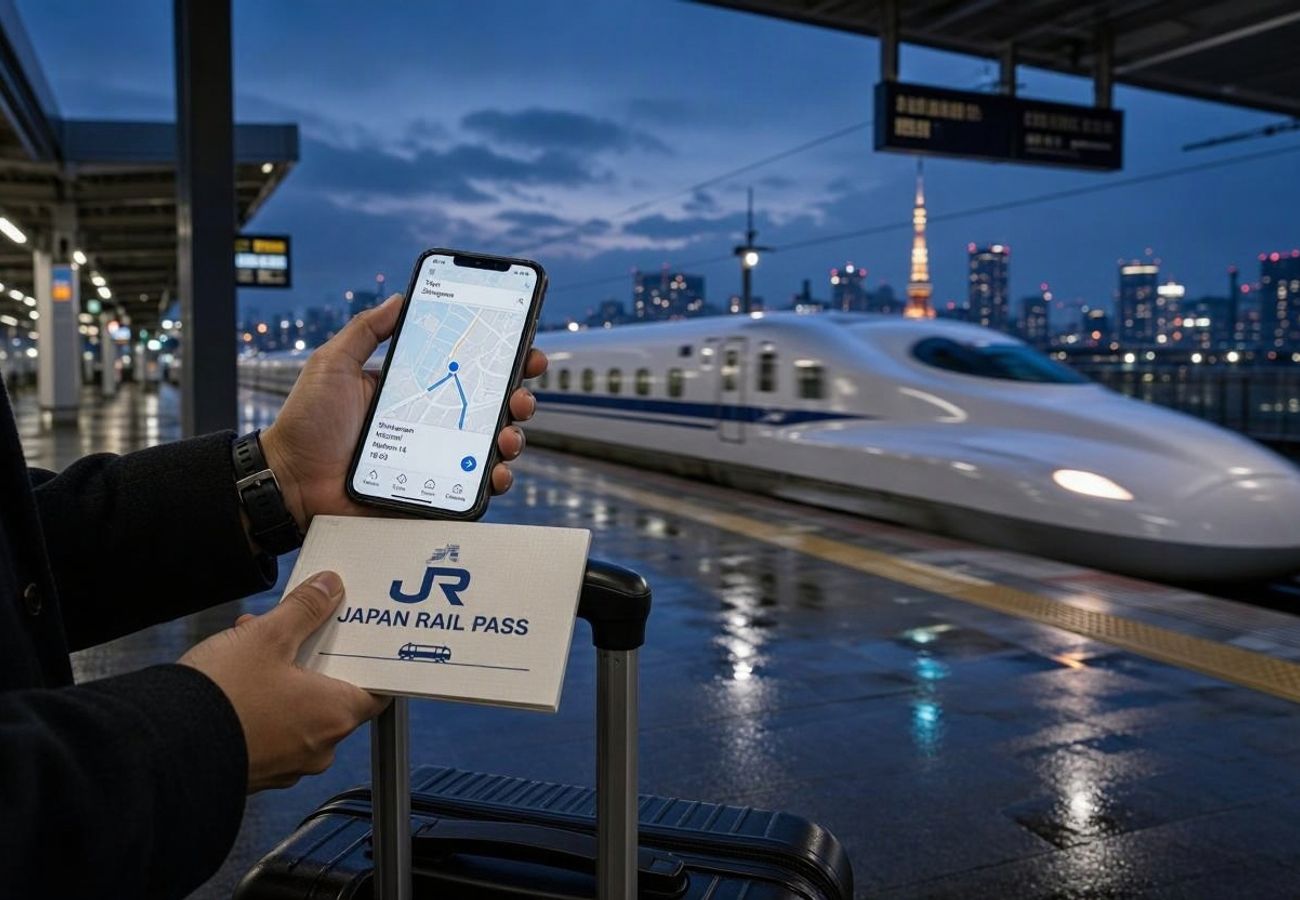
Image generated by AI
Many travelers now rely on AI to build their Japan itineraries in seconds, yet a single hallucinated train fare or a closed temple can derail an entire trip. While digital assistants can map out the complex geography of Tokyo or the shrines of Kyoto, the gap between an AI's "suggestion" and the reality of Japanese logistics is widening, particularly regarding the latest transport costs and reservation requirements.
The Digital Shift in Japan Tourism
The arrival of advanced AI planning in 2026 has fundamentally altered how international visitors approach the archipelago. Instead of spending weeks scouring forums, travelers now use digital assistants to synthesize hotel options, restaurant rankings, and railway routes. This is especially helpful given Japan's linguistic barriers and the sheer density of its transit networks.
However, this efficiency comes with a hidden cost: decision fatigue. When an AI provides ten "perfect" hotels in Shinjuku and five "must-visit" ramen shops in Osaka without context on walking distances or current availability, the planning process can become overwhelming. The most successful modern travelers use AI for the "skeleton" of their trip but rely on Japan National Tourism Organization (JNTO) for the muscle and skin.
The High Cost of Outdated AI Data
The most dangerous aspect of AI-generated planning is the confidence with which these tools present outdated financial data. A prime example is the recent pricing shift for the Japan Rail Pass. If your AI tool is pulling from data prior to October 2026, your budget will be significantly off.
As of 1 October 2026, prices for Japan Rail Passes purchased through designated overseas agencies have increased. The disparity between agency prices and official online channels is a critical detail that AI often misses.
2026 Japan Rail Pass Pricing Comparison
| Pass Duration | Agency Price (as of Oct 1, 2026) | Official Online Price (Limited Period) |
|---|---|---|
| 7 Days | ¥53,000 | ¥50,000 |
| 14 Days | ¥84,000 | ¥80,000 |
| 21 Days | ¥105,000 | ¥100,000 |
Note: These prices apply to ordinary-class adult tickets. Always verify specific train restrictions, as Nozomi and Mizuho services still require supplemental tickets for pass holders.
What Makes Japan's Logistics Unique
Unlike many European or North American cities, Japan's transit is a fragmented ecosystem. In Tokyo alone, you are juggling JR lines, the Tokyo Metro, and the Toei Subway. In Osaka, multiple private operators serve different districts.
AI often suggests a "straight line" from point A to point B, but it may ignore the fact that you need to switch companies, buy a new ticket, or walk 15 minutes through a massive station. To avoid these pitfalls, I recommend using dedicated tools like NAVITIME or Jorudan, which are far more reliable for real-time connections than a general-purpose AI. For those visiting historic sites, checking the UNESCO World Heritage Centre can provide better context on site preservation and accessibility than a generated list.
Visitor Insider Tips
To truly experience Japan without the "tourist bubble" or the AI-induced stress, follow these local strategies:
- The Neighborhood Cluster Method: Instead of following a chronological AI list, group your days by district. In Tokyo, spend one full day in the Shibuya/Harajuku axis and another in Asakusa/Ueno. This minimizes transit time and maximizes exploration.
- The "Official" Double-Check: Never book a restaurant or a museum based solely on an AI recommendation. Use the official website or a verified booking platform to check for "reservation-only" requirements, which are common in Kyoto and high-end Tokyo dining.
- Luggage Logistics: AI rarely accounts for the physical burden of suitcases. Use Takkyubin (luggage forwarding services) to send bags between cities. Trying to navigate the Shinkansen with three large suitcases is a mistake no AI will warn you about.
- Kyoto Pacing: AI often suggests visiting five temples in one day. In reality, the walking distances and the mental fatigue of "temple burnout" are real. Limit yourself to two major sites and leave the afternoon for wandering the Gion district.
Cultural and Environmental Context
The surge in AI-driven tourism has led to "overtourism" in specific hotspots. When an AI tells 10,000 people that a specific hidden alley in Kyoto is "the best secret spot," it ceases to be a secret. This creates tension between residents and visitors, particularly in residential areas of Kyoto where tourists may inadvertently disregard local etiquette.
Environmental pressure on the railway systems is also increasing. The shift toward digital itineraries encourages a faster pace of travel, which puts more strain on peak-hour commutes. Travelers are encouraged to explore "secondary cities" beyond the Golden Route (Tokyo-Kyoto-Osaka) to distribute the economic and environmental impact more evenly across the country.
FAQ: Visiting Japan 2026
What is the best way to verify AI-generated itineraries? Cross-reference all dates, opening hours, and prices with official government websites, transport operators, and the official JR online portal.
Do I still need a physical rail pass? While digital options exist, always carry a digital or physical copy of your exchange voucher and passport to claim your pass at the station.
Is AI reliable for navigating Tokyo's subway? It is good for general directions, but for precise platform numbers and real-time delays, use NAVITIME or the official Tokyo Metro app.
How do I avoid crowds in Kyoto? Visit popular shrines at dawn (6:00 AM - 8:00 AM) and use AI to find lesser-known gardens in the northern hills of the city.
Stop trusting the algorithm and start trusting the map.
Related Travel Guides
This article is for informational purposes. Flight routes, passenger regulations, visa rules, and transit advisories are subject to change by airlines and aviation authorities. Readers are advised to verify schedules and travel documentation with relevant carriers and border agencies before departure.
Related Stories
China Tech Tourism 2026: How to Access New AI and Robotics Routes in Hangzhou and Shenzhen
Singapore Blocks Vehicle Entry Permits for Unpaid Fines as ASEAN Digital Road Rules Diverge in 2026