
India's Monsoon Waterfalls: 8 Spectacular River Cascades to Experience Before Season Ends

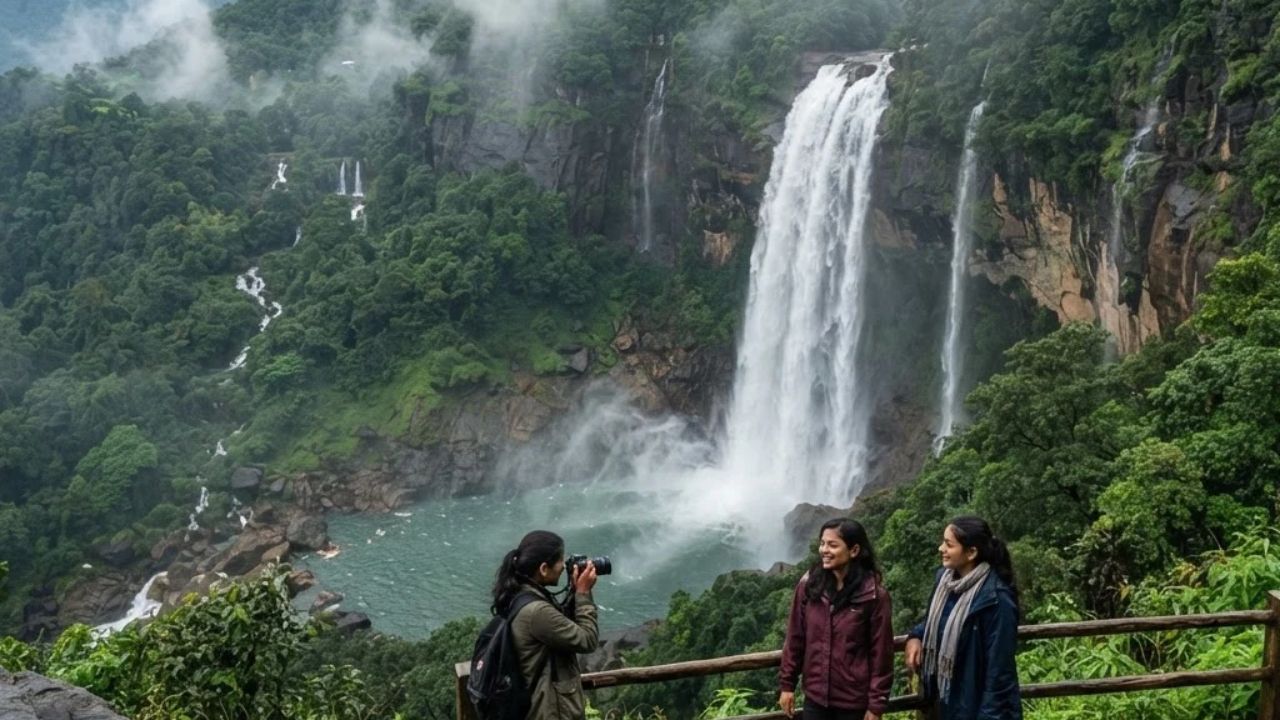
As the southwest monsoon approaches its final weeks in September and October, eight of India's most powerful waterfalls—from Meghalaya’s 340-metre Nohkalikai plunge to Chhattisgarh’s 300-metre-wide Chitrakote cascade—are reaching peak visual volume. Fed by swollen river systems across the Western Ghats, central river gorges, and northeastern tablelands, these natural wonders offer travelers an extraordinary window for eco-adventure before seasonal waters recede.
The late monsoon represents a coveted sweet spot for nature travel across India. Heavy, continuous deluge gradually transitions into intermittent showers, clearing fog from high-altitude lookouts while major rivers such as the Kaveri, Chalakudy, Narmada, and Indravati remain in full surge. For eco-tourists and photographers, this fleeting period provides optimal trail safety paired with maximum cascade drama.
The Local Trend Revealed: Late-Monsoon Surge Across Eight Iconic River Cascades
Across eight distinct geographic zones, India’s top waterfall destinations are drawing travelers eager to witness these swollen river phenomena before winter low-flow levels take hold:
- Athirappilly Falls (Kerala): Situated in Thrissur district along the Chalakudy River, this 25-metre-high forest cascade spans across a wide rocky threshold before crashing into dense tropical riparian woods. Located just 40 kilometres from Cochin International Airport, it offers an accessible wilderness escape.
- Chitrakote Falls (Chhattisgarh): Formed by the Indravati River in Bastar district, Chitrakote is often described as India’s Niagara due to its massive horseshoe formation that expands to nearly 300 metres in width during peak river discharge. The seasonal silt load turns the churning river into a vivid golden-ochre wall of water, accessible 38 kilometres from Jagdalpur.
- Nohkalikai Falls (Meghalaya): Plunging approximately 340 metres from the edge of a rain-sculpted limestone plateau near Sohra (Cherrapunji) in the East Khasi Hills, Nohkalikai ranks as India’s tallest plunge waterfall. Clearer September skies allow unobstructed views of the single white torrent dropping into an emerald plunge pool. Shillong and Guwahati serve as primary transit gateways.
- Shivanasamudra Falls (Karnataka): Approximately 130 kilometres from Bengaluru, the Kaveri River cleaves around an island to produce twin waterfalls: Gaganachukki, which plunges nearly 98 metres down a shear rock face, and the broader, multi-tiered Bharachukki cascade.
- Dhuandhar Falls (Madhya Pradesh): Located at Bhedaghat near Jabalpur, the Narmada River narrows through a sheer marble gorge before making a dramatic 10-metre drop. The impact creates intense mist clouds resembling smoke, giving the falls its name.
- Thoseghar Waterfalls (Maharashtra): Tucked into the deep Western Ghats valleys 25 kilometres from Satara, Thoseghar features a series of seasonal chutes, highlighted by a main vertical drop of around 200 metres framed by lush green hillsides.
- Bhambavli Vajrai Waterfall (Maharashtra): Located 27 kilometres from Satara near the Kaas Plateau, this tiered cascade drops approximately 260 metres across multiple rock steps, surrounded by post-monsoon botanical blooms.
- Hogenakkal Falls (Tamil Nadu): Along the Kaveri River in Dharmapuri district, Hogenakkal splits into a network of rocky canyons and thunderous spray. Located 60 kilometres from Salem and 150 kilometres from Bengaluru, its forceful river channels roar across ancient carbonatite rock.
Cultural & Environmental Value: River Basins, Indigenous Lands, and Eco-Stewardship
These waterfall systems serve as vital ecological lifelines and cultural touchstones. In Bastar, the Indravati River sustains indigenous tribal communities whose folklore and seasonal harvests are tied directly to river levels. Similarly, the Khasi clans of Meghalaya revere the sacred groves and limestone aquifers that nourish Nohkalikai, practicing ancient watershed management through stone-paved paths and living root bridges.
In the Western Ghats—a UNESCO World Heritage biodiversity hotspot spanning Kerala, Karnataka, and Maharashtra—the late monsoon sustains endemic amphibians, rare orchid varieties, and bird species. Tourism boards and local forest departments increasingly implement managed viewing decks and strict anti-littering mandates to protect these pristine aquatic habitats from plastic contamination.
Data Overview: India's Eight Peak Late-Monsoon Waterfalls
| Waterfall | State & District | River / Water System | Drop / Dimensions | Gateway & Distance |
|---|---|---|---|---|
| Athirappilly | Kerala (Thrissur) | Chalakudy River | ~25 metres drop | 40 km from Cochin Int'l Airport |
| Chitrakote | Chhattisgarh (Bastar) | Indravati River | ~300 metres width | 38 km from Jagdalpur |
| Nohkalikai | Meghalaya (East Khasi Hills) | Rain-fed Limestone Plunge | ~340 metres vertical plunge | Accessible via Sohra / Shillong / Guwahati |
| Shivanasamudra | Karnataka (Mandya/Chamarajanagar) | Kaveri River | ~98 metres (Gaganachukki) | 130 km from Bengaluru |
| Dhuandhar | Madhya Pradesh (Jabalpur) | Narmada River | ~10 metres drop | Near Bhedaghat / Jabalpur city |
| Thoseghar | Maharashtra (Satara) | Western Ghats Streams | ~200 metres drop | 25 km from Satara |
| Bhambavli Vajrai | Maharashtra (Satara) | Urmodi River basin | ~260 metres multi-stage | 27 km from Satara (near Kaas) |
| Hogenakkal | Tamil Nadu (Dharmapuri) | Kaveri River | Multi-channel canyon cascade | 60 km from Salem / 150 km from Bengaluru |
Managed eco-tourism models around these sites generate vital livelihood opportunities. Local boatmen, licensed village guides, and regional handicraft artisans benefit directly from visitors seeking guided nature walks along regulated river perimeters.
Visitor Insider Tips: Navigating India's High-Flow Water Corridors
Visiting major waterfalls during high-flow seasonal transitions requires strict attention to regional protocols and weather conditions:
- Optimal Travel Window: Schedule journeys between early September and mid-October. Heavy continuous downpours subside during these weeks, reducing landslide risks along mountain ghat roads while ensuring cascades remain at impressive volumes before winter drying begins.
- Strict Safety Boundaries: Never cross protective railings or descend slippery rocks to bathe in churning plunge pools. Sudden upstream dam releases or localized cloudbursts can cause flash floods within minutes, particularly along the Kaveri (Shivanasamudra, Hogenakkal) and Chalakudy rivers.
- Coracle Boating Guidelines at Hogenakkal: Licensed circular basket-boat (coracle) rides through Hogenakkal's rocky gorges operate strictly subject to daily Kaveri river discharge levels. Always wear an approved life jacket and confirm that local district authorities have not issued a temporary suspension notice.
- Kaas Flower Plateau Pairing with Vajrai: When visiting Bhambavli Vajrai near Satara in September, reserve an advance entry slot for the nearby Kaas Plateau. Known as Maharashtra’s Valley of Flowers, the plateau blooms with endemic wild orchids and insectivorous plants during this exact seasonal window.
- Regional Culinary Specialties: Sample localized culinary traditions during your road trips:
- Kerala: Taste karimeen pollichathu (pearl spot fish wrapped in banana leaves with spices) and hot parotta at forest highway stalls near Athirappilly.
- Meghalaya: Enjoy steaming Khasi vegetable momos and red rice bowls seasoned with wild herbs in Sohra.
- Maharashtra: Refuel on spicy Maharashtrian misal pav and freshly ground peanut chutney along the Satara ghat roads.
- Tamil Nadu: Sample freshly prepared Kaveri river fish fry spiced with local red chilies near the Hogenakkal riverfront stalls.
Tourism Outlook: Sustainable Stewardship for India's Wild Waters
As domestic and international travelers prioritize open-air wilderness adventures, state tourism departments are shifting from unmanaged mass sightseeing toward eco-sensitive infrastructure. By building reinforced elevated walkways, establishing waste-segregation stations, and training indigenous youth as naturalists, destinations like Sohra, Bastar, and Satara are demonstrating that seasonal tourism can support environmental protection.
With the final weeks of the southwest monsoon energizing river basins across the subcontinent, these eight cascades offer a timely reminder of India's raw natural power and the importance of preserving fragile aquatic ecosystems.
Related Travel Guides
Disclaimer
This article is for informational and educational purposes only. It does not constitute legal, financial, or professional advice. While we strive to provide accurate and up-to-date information, travel policies, regulations, and conditions change rapidly. Always verify information with official sources before making travel decisions. Nomad Lawyer makes no representations about the accuracy, reliability, completeness, or suitability of the information provided. Readers should consult qualified professionals for advice specific to their circumstances. The views expressed in this article are those of the author and do not necessarily reflect the views of Nomad Lawyer.
Naina Thakur
Contributor & Travel Specialist
Travel enthusiast and legal writer covering visa regulations, responsible tourism, and cultural journeys across global destinations.
Learn more about our team →