
Iceland's Modular Eco-Resort Shift: Navigating Europe's New Sub-Gateway Wilderness Tourism in 2026
Iceland and Europe are pivoting to off-site modular construction for eco-resorts to bypass overtourism in primary gateways and meet strict EU Natura 2000 environmental mandates.

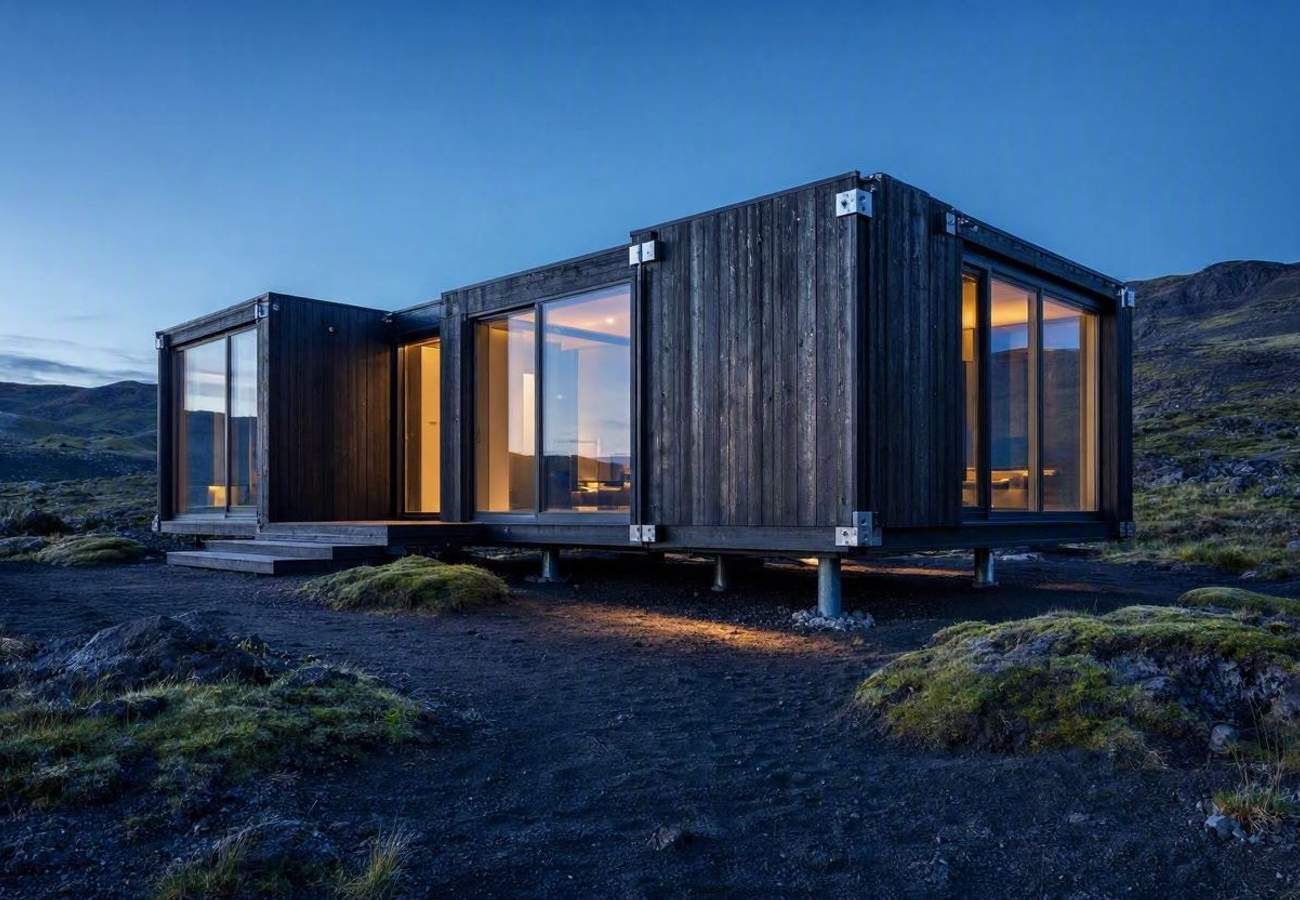
Image generated by AI
Are you planning a luxury escape to Europe's wilderness but dreading the crowds at the main park entrances? A significant shift in how hospitality assets are developed in regions like Iceland and the Alps is creating a new category of "sub-gateway" retreats that prioritize isolation over accessibility.
The Shift to Sub-Gateway Modular Development
European nature tourism has hit a critical saturation point. According to Eurostat, total overnight stays in EU tourist accommodations have climbed past 3.02 billion, with short-term rental platforms seeing a 9.7% increase in the first quarter of 2026 alone. This surge has led to severe infrastructure strain and local resistance in primary tourist hubs.
To solve this, developers are moving away from "primary gateway strips"—the congested areas immediately surrounding national park entrances—and moving toward "sub-gateway" zones. These are tranquil locations positioned 15 to 30 minutes outside the core access points. By shifting the location, operators can offer high-net-worth travelers the privacy they crave while avoiding the vehicular gridlock of the main hubs.
However, building in these remote areas is legally complex. To avoid the environmental damage associated with traditional construction, the industry has adopted off-site modular prefabrication. Instead of hauling heavy machinery into delicate ecosystems, suites are engineered in ISO-certified factories and transported to the site for assembly on low-impact bases.
Route and Site Comparison: Primary vs. Sub-Gateway
The following table outlines the operational differences between traditional gateway hotels and the new modular eco-resort model.
| Feature | Primary Gateway Strips | Sub-Gateway Modular Escapes | Strategic Impact |
|---|---|---|---|
| Location Profile | Direct park entry highways; dense | 15–30 minute perimeter buffers | Eliminates traffic friction |
| Asset Density | High-density concrete (100–300 keys) | Dispersed modular (20–75 keys) | Superior guest privacy |
| Permitting Risk | High; infrastructure moratoriums | Lower; supports rural dispersion | Aligns with EU mandates |
| Guest Profile | Mass bus tours; day-trippers | High-net-worth eco-tourists | Higher average daily rates |
| Eco-Impact | Heavy surface sealing; grid load | Reversible foundations; micro-utilities | Preserves topsoil and hydrology |
Traveler Logistics Guide
If you are booking a stay at one of these new modular resorts, the logistics differ significantly from a standard hotel stay. Here is what you need to know to optimize your trip.
1. Transport and Arrival Strategies Because these resorts are located in sub-gateway zones (15-30 minutes from main hubs), you cannot rely on standard city shuttles.
- Rental Cars: A 4WD vehicle is often mandatory for the final leg of the journey, especially in Iceland or the Julian Alps.
- Private Transfers: Most modular resorts offer curated transfers. Book these at least 14 days in advance to ensure vehicle availability in remote sectors.
2. Booking and Expectations These properties typically operate with low key counts (20-75 units).
- Lead Time: Due to the limited inventory and high demand from experiential tourists, book 6-9 months in advance for peak seasons.
- Digital Check-in: To maintain the "tranquil" atmosphere, many of these resorts utilize contactless, digital check-in systems to avoid a centralized, crowded lobby.
3. Environmental Compliance and Guest Conduct Many of these sites are located within the Natura 2000 network. This means strict rules apply to your stay:
- Waste Management: Expect "closed-loop" utility systems. Guests are often required to follow strict waste-sorting protocols.
- Movement: Stick to designated paths. These resorts use reversible screw-piles to avoid damaging topsoil; stepping off-path can cause permanent damage to protected flora.
4. Visa and Regulatory Notes While the resort itself is sustainable, your entry into the country remains subject to national laws. For those visiting EU-adjacent or non-Schengen wilderness areas, ensure your travel documents are updated via the official European Commission portals.
Regional Connectivity Impact
The move toward modularity is not just about aesthetics; it is a response to rigorous EU legislation. The European Union's EU Taxonomy (Regulation (EU) 2020/852) now dictates that new constructions must have a Primary Energy Demand (PED) at least 10% lower than national Nearly Zero-Energy Building (nZEB) thresholds.
Furthermore, the recast Energy Performance of Buildings Directive (Directive (EU) 2024/1275) mandates a Zero-Emission Building (ZEB) standard. Traditional on-site construction in a remote Icelandic winter or a high-altitude Alpine valley makes these thermal metrics nearly impossible to hit. Modular construction allows for precision engineering in a controlled environment, ensuring the building is airtight and energy-efficient before it ever touches the ground.
This shift is reshaping the map of European tourism. By distributing guests into sub-gateway zones, the pressure on iconic sites is reduced, and the economic benefits of tourism are spread deeper into rural communities that were previously bypassed by the "bus tour" economy.
FAQ: Modular Eco-Resorts 2026
Do I need a special permit to visit these remote resorts? Generally, no. While the resorts must follow strict Natura 2000 permits for construction, guests only need standard entry visas for the country. However, some highly protected zones may require a registered guide for excursions.
How different is a modular cabin from a traditional hotel room? Modular cabins are often more energy-efficient and offer better acoustic privacy. Because they are dispersed rather than stacked in a concrete block, you will experience significantly less noise pollution and more direct access to nature.
Are these resorts accessible by public transport? Rarely. The "sub-gateway" model specifically places resorts away from high-density transit hubs to avoid crowds. You will likely need a rental car or a pre-arranged private shuttle from the nearest airport or train station.
Is the "eco" label just marketing, or is it functional? In 2026, it is functional. Under EU Directive (EU) 2024/1275, these buildings must meet Zero-Emission Building standards. The use of reversible foundations means the structure can be removed without leaving a permanent scar on the land.
The future of wilderness travel isn't about building bigger, but about building smarter and stepping further back from the crowd.
Related Travel Guides
Disclaimer
This article is for informational and educational purposes only. It does not constitute legal, financial, or professional advice. While we strive to provide accurate and up-to-date information, travel policies, regulations, and conditions change rapidly. Always verify information with official sources before making travel decisions. Nomad Lawyer makes no representations about the accuracy, reliability, completeness, or suitability of the information provided. Readers should consult qualified professionals for advice specific to their circumstances. The views expressed in this article are those of the author and do not necessarily reflect the views of Nomad Lawyer.
Kunal K Choudhary
Co-Founder & Contributor
A passionate traveller and tech enthusiast. Kunal contributes to the vision and growth of Nomad Lawyer, bringing fresh perspectives and driving the community forward.
Learn more about our team →