
SIAN Launches Modular Hotel Expansion in Mexico: Rapid Resort Development on Isla Mujeres 2026
SIAN introduces a modular accommodation model in Mexico, reducing resort expansion timelines from two years to just three to five months via factory-controlled construction.

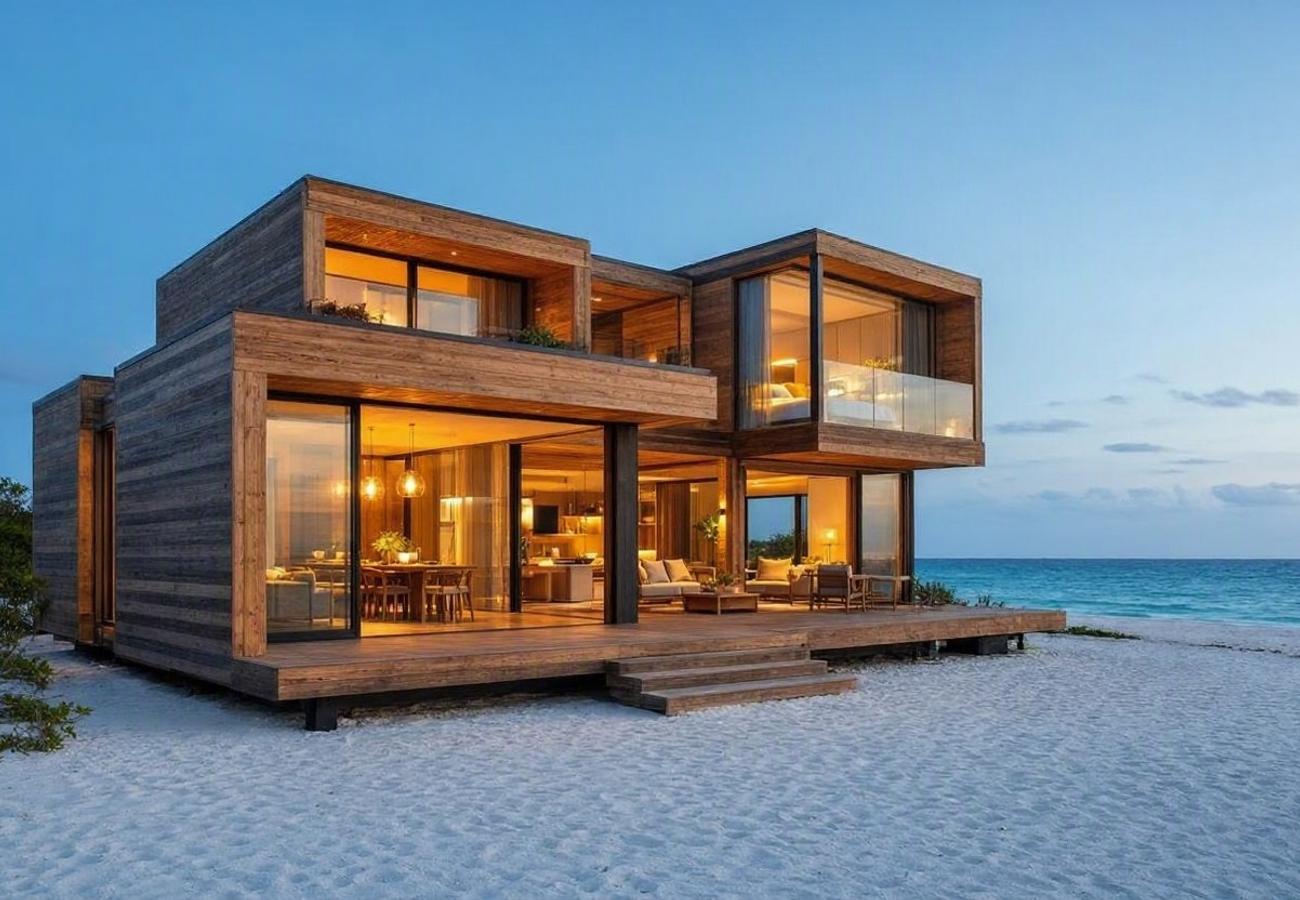
Image generated by AI
Are you a hospitality investor or resort manager looking to scale room capacity in Mexico without the two-year headache of traditional construction? A new modular framework introduced by SIAN is fundamentally changing the logistics of resort expansion, allowing operators to deploy luxury units in a fraction of the usual time.
The Shift to Modular Hospitality in Mexico
Traditional hotel development in high-demand zones like the Riviera Maya typically requires 12 to 24 months of on-site labor, heavy machinery, and significant guest disruption. SIAN has disrupted this timeline by moving the bulk of the construction process into a factory-controlled environment.
The first operational proof-of-concept, SIAN Yáax, opened on September 1, 2026, on Isla Mujeres. This model replaces permanent concrete foundations with a system of detachable ground screws, meaning the units are essentially "plug-and-play" luxury assets. By manufacturing components off-site, the company eliminates the unpredictability of weather-related delays and on-site labor shortages.
Deployment Timelines and Logistics
The speed of this system is its primary value proposition. While traditional builds are measured in years, SIAN's deployment is measured in weeks. For operators using pre-manufactured units, the window from order to guest check-in can be as short as two to three months.
| Phase | Duration | Process | Status |
|---|---|---|---|
| Manufacturing | 30 - 60 Days | Factory-controlled production | Off-site |
| Transportation | ~30 Days | Shipping to destination | Transit |
| Installation | ~28 Days | Final assembly and ground screw securing | On-site |
| Total Timeline | 3 - 5 Months | Full cycle from order to operation | Active |
Traveler and Operator Logistics Guide
For those integrating these modular units into existing resorts or planning a new boutique micro-resort, the logistics differ significantly from standard CAPEX projects.
1. Site Preparation and Foundations Forget the concrete mixers. The SIAN Yáax model utilizes 32 detachable foundation screws for its 90-square-metre structure. In the Isla Mujeres project, the entire foundation system was installed in approximately 36 hours. This means you can prepare your site without closing off large sections of your property.
2. Environmental Compliance Because these units do not use permanent concrete slabs, they maintain soil permeability. This is a critical advantage for developers needing to meet strict environmental regulations in Mexico. If you are building near protected zones, check the Secretaría de Turismo (SECTUR) for current sustainability guidelines regarding low-impact construction.
3. Material Specifications The units utilize FSC-certified timber to ensure sustainable sourcing. To combat the humid Mexican climate without using toxic chemicals, the exterior consists of heat-treated timber. This thermal modification process increases durability and reduces long-term maintenance costs.
4. Scalability Strategy The "start small" approach is now viable. Operators can install a few luxury villas or wellness suites to test market demand before committing to a full-scale expansion. Because the units are designed for disassembly, they can be relocated if a specific area of the property underperforms.
Regional Connectivity Impact
The introduction of this technology is expanding the feasibility of luxury lodging in remote or ecologically sensitive areas. Following the Isla Mujeres launch, SIAN is currently preparing two additional units for installation at the Puerta al Cielo cenote in Tulum.
This allows for "micro-resort" development in areas where heavy machinery would be impossible to transport or prohibited by law. By reducing the physical footprint of construction, developers can now place high-end accommodations closer to natural attractions—like cenotes—without permanently scarring the land. For those managing the logistics of these remote sites, coordinating with the Mexican National Tourism Council is recommended to ensure alignment with regional zoning laws.
FAQ: Modular Hotel Expansion 2026
How long does it take to add new rooms using this system? The total process takes between three to five months. If pre-manufactured units are available, this can be reduced to two to three months.
Does this construction disrupt existing hotel guests? Minimal disruption occurs because the majority of building happens in a factory. No heavy machinery is required on-site, and foundations are installed in hours rather than weeks.
Are these structures permanent? No. They are designed for disassembly and relocation. The ground screw foundations can be removed entirely, leaving no concrete remains in the soil.
What materials are used for the exterior? The units use FSC-certified timber and heat-treated wood, which provides durability against the elements without the need for chemical preservatives.
The era of the two-year construction delay is ending for the Mexican coast.
Related Travel Guides
Disclaimer
This article is for informational and educational purposes only. It does not constitute legal, financial, or professional advice. While we strive to provide accurate and up-to-date information, travel policies, regulations, and conditions change rapidly. Always verify information with official sources before making travel decisions. Nomad Lawyer makes no representations about the accuracy, reliability, completeness, or suitability of the information provided. Readers should consult qualified professionals for advice specific to their circumstances. The views expressed in this article are those of the author and do not necessarily reflect the views of Nomad Lawyer.
Naina Thakur
Contributor & Travel Specialist
Travel enthusiast and legal writer covering visa regulations, responsible tourism, and cultural journeys across global destinations.
Learn more about our team →