
Flight Attendants Sound Alarm: What Really Happens When Passengers Ignore Critical Safety Protocols
Breaking airline news and aviation industry updates for 2026.

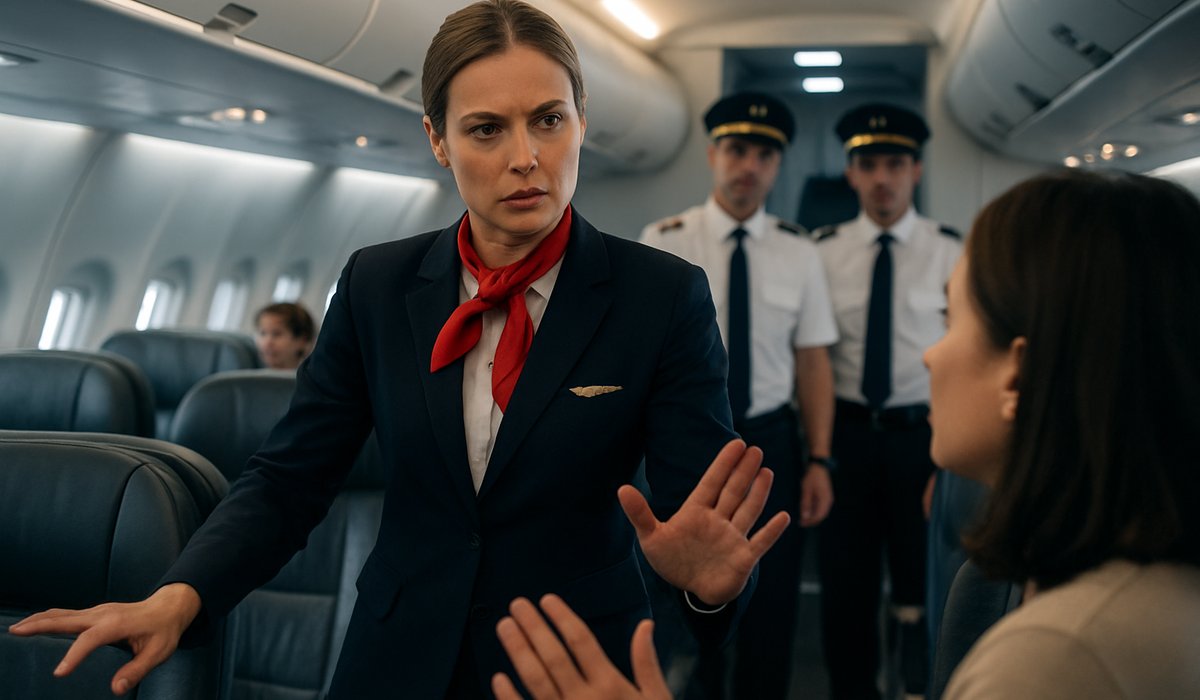
Image generated by AI
Flight Attendants Sound Alarm: What Really Happens When Passengers Ignore Critical Safety Protocols
Industry experts warn of rising compliance failures endangering lives as air travel surges post-pandemic
Safety Rules Exist for Measurable Reasons—Yet Compliance Is Slipping
Aviation safety protocols represent decades of research, accident investigations, and lessons learned in blood. Yet an alarming pattern is emerging across global airlines: passengers are increasingly disregarding crew instructions and safety procedures, creating genuine risks for themselves and fellow travelers. Flight attendants working on the front lines are sounding the alarm about the real-world consequences of these compliance failures.
The rules governing seat belt usage, electronic device restrictions, emergency exit procedures, and cabin behavior are not arbitrary inconveniences—they are evidence-based safeguards designed to protect human life. When passengers ignore crew directives, they don't just violate airline policy; they create tangible hazards in an inherently unforgiving environment where seconds matter.
Understanding Why Passengers Disregard Safety Instructions
Compliance failures stem from multiple sources. Some passengers dismiss safety briefings as repetitive theater they've encountered dozens of times. Others display deliberate non-compliance, viewing restrictions as infringements on personal autonomy. Still others operate under misunderstandings about why specific rules exist, particularly regarding electronic devices and their electromagnetic interference during critical flight phases.
Stress, fatigue, and intoxication compound these issues. Passengers traveling during irregular sleep schedules may be less cognitively engaged with safety information. Alcohol consumption impairs judgment and increases confrontational behavior—a documented correlation that airlines and regulators have tracked consistently.
Real Consequences of Non-Compliance
When passengers refuse to follow safety procedures, the operational and human costs accumulate rapidly. Flight attendants must interrupt service to enforce rules, diverting attention from actual emergencies. Unruly passengers tied up crew resources for extended periods. In worst-case scenarios, safety equipment becomes inaccessible, emergency evacuations face obstacles, and critical minutes are lost during genuine crises.
Beyond immediate operational disruptions, persistent non-compliance creates psychological strain among cabin crews who bear responsibility for passenger welfare without guaranteed cooperation. Studies across European and North American airlines show that flight attendant stress levels correlate directly with passenger compliance rates.
The Broader Aviation Safety Picture
The International Air Transport Association (IATA) and national aviation authorities have reinforced safety protocols precisely because commercial aviation remains statistically the safest transportation mode. That safety record depends on systematic adherence to procedures from pilots and ground crews—but also from passengers.
The aviation industry faces a critical moment: as travel demand rebounds to pre-pandemic levels, maintaining safety culture requires passenger cooperation. Airlines must balance education, enforcement, and de-escalation as they navigate the complex reality of modern air travel.
Frequently Asked Questions
What happens if a passenger refuses to follow flight safety rules? Airlines can deny boarding, divert flights, levy fines up to several thousand dollars, and ban passengers from future travel. In severe cases, federal authorities may pursue criminal charges.
Are airline safety rules actually necessary, or are they outdated? All major safety procedures are grounded in accident data and engineering research. Regulations are updated continuously based on new incident investigations and technological advances.
Can a flight be delayed or diverted due to passenger non-compliance? Yes. Crews can delay departure to resolve safety issues, and non-compliant passengers may require diversion to the nearest airport for removal, affecting all passengers aboard.
What is the most commonly ignored safety rule on aircraft? Seatbelt usage during turbulence and electronic device compliance during takeoff and landing remain among the most frequently disregarded protocols.
How do flight attendants handle passengers who refuse instructions? Crews employ de-escalation techniques first, followed by formal warnings, crew authority invocation, and ultimately law enforcement involvement if non-compliance threatens flight safety.
Related Travel Guides
Flight Delay Compensation Guide 2026
Understanding Airline Route Changes
Airport Security Process Updated (2026)
External Resources
Disclaimer
This article is for informational and educational purposes only. It does not constitute legal, financial, or professional advice. While we strive to provide accurate and up-to-date information, travel policies, regulations, and conditions change rapidly. Always verify information with official sources before making travel decisions. Nomad Lawyer makes no representations about the accuracy, reliability, completeness, or suitability of the information provided. Readers should consult qualified professionals for advice specific to their circumstances. The views expressed in this article are those of the author and do not necessarily reflect the views of Nomad Lawyer.
Preeti Gunjan
Contributor & Community Manager
A passionate traveller and community builder. Preeti helps grow the Nomad Lawyer community, fostering engagement and bringing the reader experience to life.
Learn more about our team →