
Hurricane Nolo Hawaii Travel Alert 2026: Logistics Guide for Flash Floods and Flight Disruptions
Hurricane Nolo is bringing extreme rainfall and 105 mph winds to Hawaii. This logistics guide details state park closures, flood risks on the Big Island, and essential safety protocols for travelers.

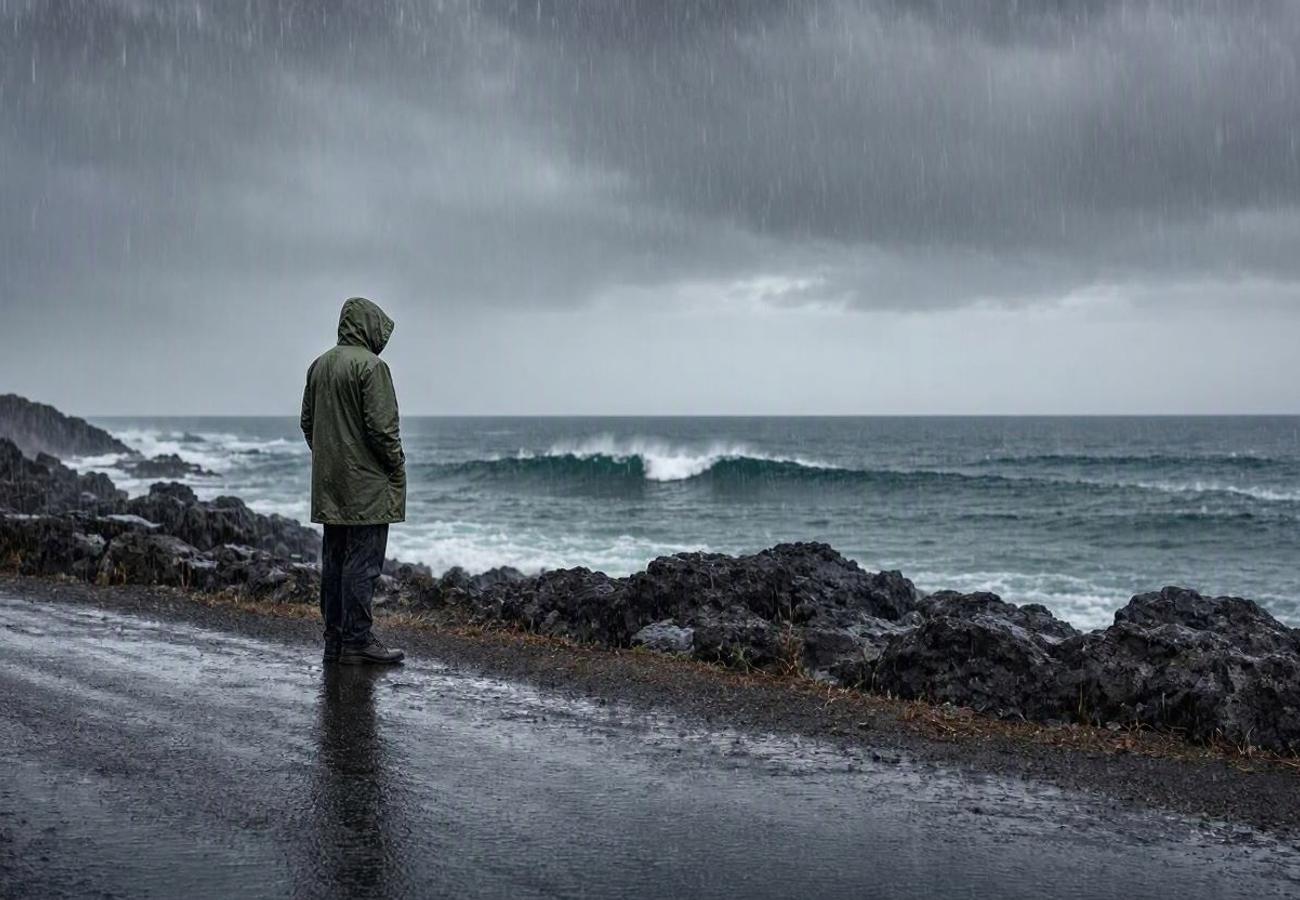
Image generated by AI
Are you currently in Hawaii or planning a trip this weekend? Hurricane Nolo is generating hazardous conditions across the archipelago, and while a direct landfall is not forecast, the logistical disruptions are significant.
The Impact of Hurricane Nolo
Hurricane Nolo has intensified into a Category 2 system, packing maximum sustained winds of 105 mph. Although the storm's center is projected to remain south of the main Hawaiian Islands, its slow movement is feeding continuous moisture into the region. This creates a high risk of repeated thunderstorms and heavy rainfall bands that can disrupt transit and safety far from the storm's eye.
The most severe threats are concentrated on the Big Island, where steep volcanic terrain can trigger rapid flash flooding and mudslides. The National Hurricane Center (NHC) has noted a minimum central pressure of 975 millibars, indicating a powerful system capable of producing dangerous surf and tropical-storm-force winds up to 140 miles from the center.
Route and Weather Specifics
The following data outlines the expected impact across different zones. Travelers should use these figures to determine if their planned itineraries are viable.
| Area / Factor | Forecasted Impact | Logistics Significance |
|---|---|---|
| Hawaii Island (East/South) | 8–12 inches (Max 16") | High risk of life-threatening floods/mudslides |
| Hawaii Island (West) | 1–3 inches (Max 6") | Localized flooding and transit delays |
| Eastern Maui | 4–6 inches (Max 8") | Dangerous flooding in high-terrain areas |
| Max Sustained Winds | 105 mph | Dangerous gusts in mountainous/exposed zones |
| Hurricane-Force Radius | 45 miles from center | Severe wind hazards near the storm core |
| Tropical-Storm Radius | 140 miles from center | Broad impacts on flights and outdoor activities |
| Storm Track | South of main islands | No direct landfall, but wide-reaching disruption |
Traveler Logistics Guide
If you are navigating the islands during this period, follow these step-by-step operational guidelines to ensure your safety and minimize travel friction.
1. Monitor Official Alerts Do not rely solely on third-party apps. Check the National Weather Service (NWS) for real-time flash flood warnings. Hawaii County is currently under a Hurricane Watch and Tropical Storm Warning, while Maui County is under a Tropical Storm Watch.
2. Adjust Ground Transport Avoid all unnecessary driving on the Big Island, particularly in windward and southeast portions. Mudslides can block primary roads instantly. Never attempt to drive through standing water; volcanic soil becomes unstable quickly during heavy rain.
3. Verify Facility Status Many primary tourist attractions are closed. Note the following mandatory closures:
- Hawaii Island State Parks: Closed since 24 September.
- Maui & Molokai State Parks: Closed since 25 September.
- Forest Reserves: All Nā Ala Hele trails and forest areas are closed.
- Camping: All state forest and park camping permits are suspended.
4. Flight and Ferry Coordination While the storm center is south of the islands, high winds and low visibility often lead to delays or diversions. Contact your airline and check the Federal Aviation Administration (FAA) for airspace restrictions.
5. Emergency Readiness A Presidential Emergency Declaration has been approved, meaning federal support is active. If you are in a hotel, identify the designated storm shelter and keep a digital copy of your passport and insurance on a cloud drive.
Regional Connectivity Impact
The slow movement of Hurricane Nolo is reshaping travel patterns across the islands. The closure of state parks and forest reserves effectively shuts down the primary hiking and eco-tourism infrastructure on the Big Island and Maui. This shift forces a concentration of tourists into urban centers, which may lead to increased congestion in hotels and indoor dining facilities.
Furthermore, the suspension of camping permits means travelers who planned "off-grid" experiences must now secure immediate hotel or Airbnb accommodations. The activation of the Hawaii State Emergency Operations Center indicates that government resources are prioritized for disaster response over tourist assistance, making self-reliance and early planning essential.
FAQ: Hurricane Nolo 2026
Do I need to evacuate if the storm isn't making landfall? Unless local authorities issue a mandatory evacuation order for your specific zone, you do not need to leave the island. However, you should move away from coastal areas and steep slopes prone to mudslides.
Are flights to Hawaii still operating? Flights are currently operating, but the 105 mph wind speeds and tropical-storm-force winds may cause delays. Check your flight status directly with your carrier before heading to the airport.
Can I still visit the volcanoes or state parks? No. State parks on Hawaii Island, Maui, and Molokai, as well as Nā Ala Hele trails, are closed to ensure public safety during the flash flood threat.
Is it safe to swim or surf during Nolo? No. The storm is driving powerful waves and dangerous surf toward the coast. Beach activities and coastal excursions are highly unsafe and should be avoided.
Prioritize safety over your itinerary; the islands will still be here when the skies clear.
Related Travel Guides
Disclaimer
This article is for informational and educational purposes only. It does not constitute legal, financial, or professional advice. While we strive to provide accurate and up-to-date information, travel policies, regulations, and conditions change rapidly. Always verify information with official sources before making travel decisions. Nomad Lawyer makes no representations about the accuracy, reliability, completeness, or suitability of the information provided. Readers should consult qualified professionals for advice specific to their circumstances. The views expressed in this article are those of the author and do not necessarily reflect the views of Nomad Lawyer.
Preeti Gunjan
Contributor & Community Manager
A passionate traveller and community builder. Preeti helps grow the Nomad Lawyer community, fostering engagement and bringing the reader experience to life.
Learn more about our team →