Hawaii Travel Alert 2026: Tropical Rainstorm Olana Triggers Flash Flood and Landslide Warnings for Maui and O‘ahu


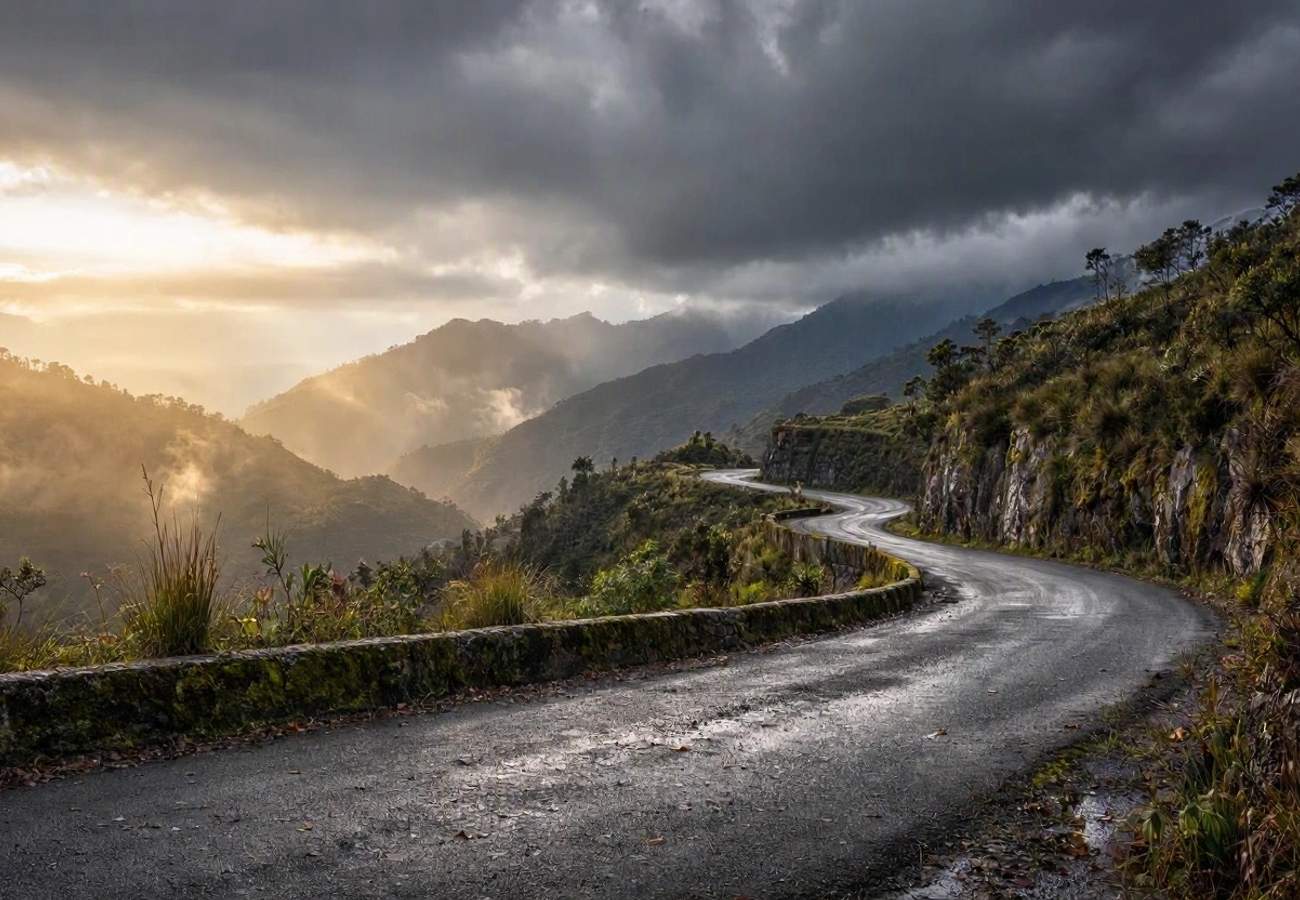
Image generated by AI
[Honolulu, October 28, 2026] — Tropical Rainstorm Olana is triggering severe weather warnings across the Hawaiian Islands, with Maui and O‘ahu facing the highest risk of flash flooding and landslides. The system is transporting massive volumes of tropical moisture eastward, threatening to overwhelm infrastructure and disrupt travel through Thursday night, October 29, 2026.
The weather event, which previously held tropical storm status, has weakened in wind speed but remains a significant hydrological threat. Atmospheric currents are pushing moisture into regions of the islands that typically remain dry, creating unpredictable and hazardous conditions for residents and international tourists alike.
The Catalyst: Tropical Rainstorm Olana
The current crisis is driven by a residual tropical system that, while no longer a formal tropical storm, continues to pump intense moisture into the Pacific state. Unlike typical weather patterns governed by northeast trade winds—which usually keep southern and western shores dry—Olana is disrupting these norms.
Moisture is now moving eastward, meaning south- and west-facing mountain slopes and coastal tourist districts are now vulnerable to extreme downpours. This shift in rainfall distribution is particularly dangerous for areas lacking the drainage infrastructure typically found in the islands' wetter regions.
Rainfall Forecasts and Impact Zones
According to data from AccuWeather, the rainfall distribution is highly uneven, with mountainous regions facing the most acute danger. The system has been assigned a 1 on the RealImpact Scale for Hurricanes in Hawaii, emphasizing the risk of flooding over wind damage.
Predicted Rainfall Totals (Through Oct 29, 2026)
| Region / Area | Forecasted Rainfall | Risk Level |
|---|---|---|
| General Island Chain | 1–2 inches | Low to Moderate |
| Maui to O‘ahu (Heavier zones) | 4–8 inches | High |
| Maui (Higher elevations) | 8–12 inches | Severe |
| Isolated Maximums | Up to 30 inches | Extreme |
| Peak Intensity Rates | 1–3 inches per hour | Flash Flood Warning |
What This Means for Travelers
For those currently in Hawaii or arriving within the next 48 hours, the primary risks are not wind or storm surges, but water-related hazards.
Road Safety and Transport Flash flooding can occur within minutes during peak intensity bursts of 1–3 inches per hour. Travelers are warned that standing water often hides collapsed pavement or deep debris. Avoid all flooded roadways and strictly adhere to closures issued by the Hawaii Department of Transportation.
Outdoor Excursions Guided hiking, waterfall tours, and mountain sightseeing are high-risk activities during this window. Saturated soil significantly increases the probability of landslides and debris flows in steep terrain, which can isolate mountain communities and block primary access roads.
Flight and Cruise Logistics While there are currently no systemic shutdowns of major airports, passengers should monitor their flight status directly through their carriers. Those on cruise ships should anticipate potential itinerary changes for coastal excursions due to hazardous shore conditions.
Emergency Response and Next Steps
Emergency responders are on high alert for "debris flows"—rapid movements of mud and rock—particularly in the higher elevations of Maui. Local authorities are urging visitors to stay informed via official government channels and to avoid venturing into valleys or low-lying areas during heavy rain bands.
The system is expected to clear by late Thursday night, but the risk of landslides often persists after the rain stops due to soil saturation. Travelers are advised to remain cautious even after the clouds break.
FAQ: Tropical Rainstorm Olana 2026
Are flights to Honolulu and Maui cancelled? There are no widespread cancellations reported. However, individual flights may be delayed. Check your specific flight status via your airline's official app or website.
Is it safe to go hiking in Maui right now? No. High-elevation areas are facing 8–12 inches of rain, creating a severe risk of landslides and flash floods. Avoid mountain trails until official warnings are lifted.
Which areas of Hawaii are most affected? While the entire chain will see rain, the most intense impacts are concentrated between Maui and O‘ahu, specifically on south- and west-facing slopes.
What should I do if I encounter a flooded road? Turn around immediately. Do not attempt to drive through water, as the road surface underneath may be washed away or currents may be stronger than they appear.
Stay alert and prioritize safety over sightseeing until the moisture clears.
Related Travel Guides
This article is for informational purposes. Flight routes, passenger regulations, visa rules, and transit advisories are subject to change by airlines and aviation authorities. Readers are advised to verify schedules and travel documentation with relevant carriers and border agencies before departure.
Related Stories

US Halloween 2026 Weather Alert: Texas, California, and Northwest Face Major Travel Disruptions

US Severe Weather Alert 2026: Tropical Storm Vance and Regional Flood Risks for Texas, Florida, and Hawaii