
USA Coolcation Summer Travel Boom in 2026: Why Travelers are Swapping Hot Beach Holidays for Alaska, Michigan, and the Pacific Northwest: Latest Update
USA Coolcation Summer Travel in 2026 is driving tourists to cooler northern states like Alaska, Michigan, and the PNW to escape extreme summer heatwaves.

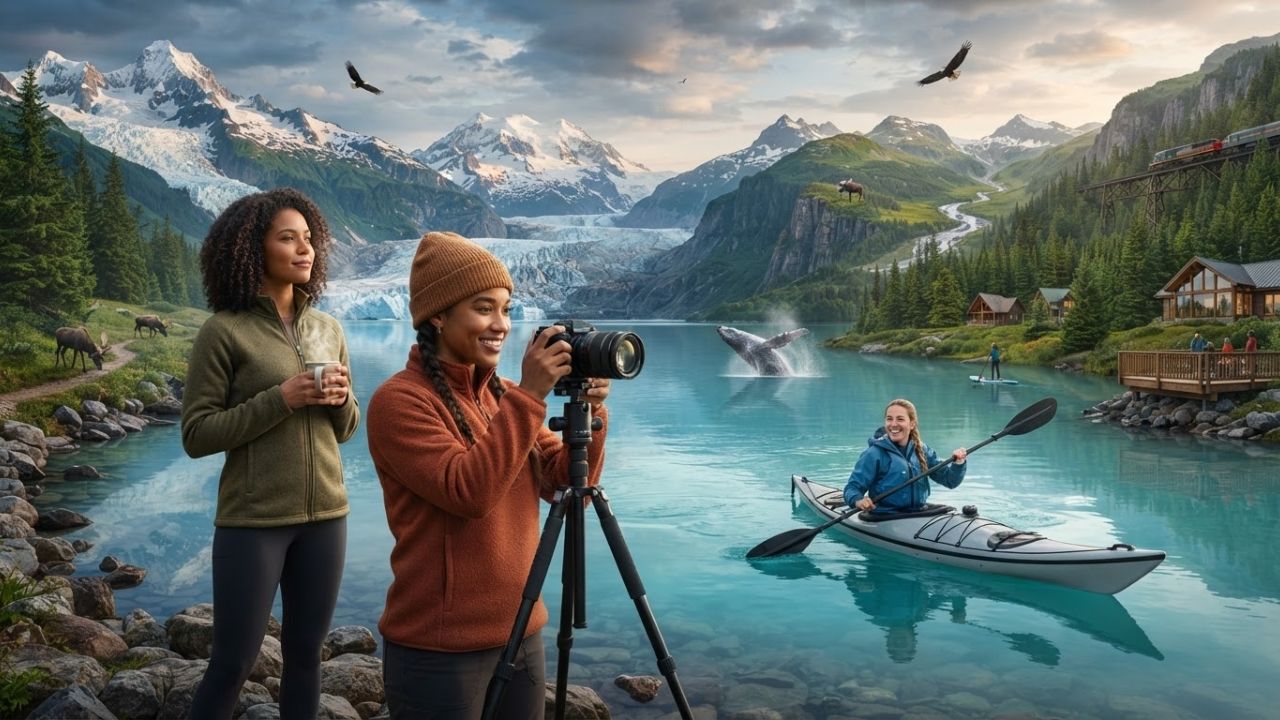
Image generated by AI
The rise of USA coolcation summer travel in 2026 is fundamentally changing the domestic tourism industry as vacationers increasingly swap extreme heat and crowded southern beaches for cooler northern destinations. From glacier trail excursions in Alaska to freshwater beaches in Michigan and misty forests in the Pacific Northwest, this cooling trend is reshaping seasonal traveler choices. Travelers are urged to plan and book early to secure accommodations in these newly popular summer retreats.
📌 Quick Summary
- Climate-Driven Escapes: Extreme southern heatwaves are driving tourists to seek cooler northern travel landscapes.
- Key Destinations: Alaska, the Pacific Northwest, and the Great Lakes are experiencing substantial visitor increases.
- Comfort-First Outdoors: Moderate summer temperatures enable active recreation without heat exhaustion risks.
- Financial Value: Coolcation spots offer cost-effective rates compared to overpriced southern coastal hotspots.
- Long-Term Shift: Travel patterns indicate a permanent behavioral transition toward weather comfort and sustainable wellness.
Published on July 22, 2026
The emergence of weather-centered vacations represents a significant transition across the American travel sector, replacing traditional sun-seeking trips with comfort-first escapes. Rather than tolerating hazardous summer heatwaves in southern resorts, vacationers are traveling north to access active recreation under pleasant daytime temperatures. Supported by the rise of climate consciousness and wellness travel, this shift is providing substantial economic growth for northern communities.
Understanding the Rising Appeal of USA Coolcation Summer Travel
The growing popularity of seasonal weather escapes is directly tied to changing climate patterns and the limitations that extreme temperatures place on outdoor recreation. During peak summer periods, southern destinations in states like Florida, Texas, Arizona, and Nevada regularly record temperatures approaching or exceeding 100°F (38°C), making daytime outdoor activities unsafe or uncomfortable. In contrast, northern regions offer significantly milder conditions that are highly conducive to sightseeing, hiking, and water sports.
For example, while Florida summer heatwaves can easily push temperatures between 95°F and 100°F (35–38°C), coastal communities in Michigan enjoy comfortable averages around 70°F to 80°F (21–27°C). Similarly, Alaska’s coastal regions remain between a cool 55°F and 70°F (13–21°C), providing an ideal environment for physical activity. The table below compares regional summer conditions and the recreational profiles driving this trend:
| Destination Region | Summer Temperature Range | Primary Active Recreation |
|---|---|---|
| Alaska Coastal Areas | 55–70°F (13–21°C) | Glacier hiking, whale watching, mountain trekking |
| Pacific Northwest (WA / OR) | Variable cooler forest & mountain climates | Hiking, mist-forest trekking, lake outings |
| Coastal Michigan (Great Lakes) | Summer averages around 70–80°F (21–27°C) | Freshwater swimming, beach hiking, kayaking, boating |
| Southern States (FL / TX / AZ / NV) | Regular averages of 95–100°F+ (35–38°C+) | Limited daytime outdoor recreation (extreme heat) |
Popular Destinations Capitalizing on USA Coolcation Summer Travel
Three primary geographic areas have emerged as the leading destinations for weather-conscious summer travel, each offering unique opportunities for active recreation.
Alaska: Glacier Trails and Wilderness Adventures
Alaska has become one of the primary beneficiaries of this travel shift, attracting visitors with its dramatic glaciers and cool climate. Travelers can engage in cold-water whale watching, mountain trekking, and national park explorations. Destinations such as Anchorage, Juneau, and the Kenai Peninsula are drawing significant interest from vacationers seeking space and cooler temperatures. The state's extended summer daylight hours also allow visitors to maximize their outdoor exploration under comfortable conditions.
The Pacific Northwest: Forest Bathing and Mountain Escapes
The Pacific Northwest provides misty forests, waterfalls, and mountain ranges without the extreme heat found in southern states. Washington and Oregon are attracting visitors to regions like Olympic National Park, the Mount Rainier area, Oregon's Cascade Mountains, and coastal Washington towns. The moderate climate in these areas has also supported wellness-oriented travel, including forest bathing, outdoor meditation, and slow travel itineraries.
The Great Lakes: Freshwater Beaches and Coastal Towns
The Great Lakes region is challenging traditional coastal vacation models by showing that freshwater shorelines can provide excellent beach experiences without intense heat. States like Michigan, Wisconsin, and Minnesota offer clear waters, sandy beaches, boating, and scenic small towns. Lake Michigan beach communities, in particular, are benefiting from this interest, as they allow travelers to enjoy swimming, kayaking, and outdoor dining under comfortable 70°F temperatures.
Risk and Impact: Managing Overcrowding and Outdoor Safety
While the shift toward cooler destinations benefits northern economies, it also introduces specific operational and environmental challenges.
Key challenges facing coolcation travelers include:
- Infrastructure Demands: Small northern towns and rural communities may experience seasonal capacity pressures at local hotels, restaurants, and transport hubs.
- Wilderness Safety Risks: Hiking around glaciers and remote northern mountains requires specialized preparation to prevent exposure-related emergencies.
- Airport Bottlenecks: Regional airports in Alaska and the Pacific Northwest may face increased passenger volumes and flight congestion.
- Wildlife Hazards: Nature-based travel brings visitors closer to local wildlife habitats, necessitating strict compliance with safety guidelines.
What Official Authorities are Saying: Promoting Seasonal Infrastructure
Northern tourism organizations and regional development boards are actively promoting summer travel to capture this emerging demand. Agencies like the Travel Alaska (travelalaska.com) team are structuring marketing campaigns around weather comfort, nature-based travel, and sustainable wellness.
State officials are also advising operators to expand their seasonal capacities to prevent overcrowding at popular trailheads and parks. By developing structured booking systems for high-demand national parks and promoting lesser-known regional spots, authorities hope to distribute visitor numbers evenly across northern states.
Practical Traveler Advice: How to Prepare for a Cool Summer Escape
Planning a successful weather-focused vacation requires a different preparation strategy than a traditional beach trip.
Travelers should follow these steps:
- Pack Variable Layers: Milder northern climates can experience sudden weather shifts, making windproof jackets, thermal layers, and sturdy hiking boots essential.
- Book Accommodations Early: Secure hotels and cabins in popular Great Lakes towns or Alaskan ports well in advance.
- Reserve Wilderness Permits: Verify if hiking, camping, or entry permits are required for federal parks in Washington or Oregon.
- Confirm Rental Vehicles: Secure rental cars early, as regional transportation fleets in northern destinations may be limited.
- Utilize Official Guides: Consult local tourism portals like the Pure Michigan (michigan.org) site for updated local guidelines, beach safety rules, and event schedules.
Broader Context: Financial and Lifestyle Advantages of Coolcations
In addition to weather comfort, coolcations provide significant practical advantages over traditional southern beach vacations. Popular coastal resorts frequently implement steep price hikes during the peak summer holiday season, making flights and lodging expensive.
Northern destinations often deliver better value, offering more competitive accommodation rates, less crowded trails, and a more relaxed atmosphere. This makes them highly attractive for families, senior travelers, and outdoor enthusiasts seeking to maximize their travel budgets.
Looking Ahead: Long-Term Climate Shifts in Tourism
The coolcation movement is expected to grow as global temperatures continue to rise. Modern travelers are increasingly considering weather comfort, sustainability, and wellness when planning their vacations.
In the coming years, northern states are likely to see sustained growth in their summer tourism markets. As extreme heat waves become more common, finding the perfect temperature will remain a primary travel motivator, establishing coolcations as a permanent feature of the international travel sector.
Conclusion
Choosing a cooler destination for summer travel offers a comfortable and rejuvenating alternative to hot beach vacations. By prioritizing destinations like Alaska, the Pacific Northwest, and the Great Lakes, travelers can enjoy active outdoor recreation and scenic nature without the health risks of extreme heatwaves. With careful planning, appropriate packing, and early bookings, travelers can ensure a safe and memorable summer escape.
FAQ: USA Coolcation Summer Travel
What is a coolcation holiday?
A coolcation is a summer vacation where travelers intentionally choose northern or higher-altitude destinations with milder temperatures to escape extreme heat waves.
Which states are popular for USA coolcation summer travel?
Top destinations include Alaska, Washington, Oregon, Michigan, Minnesota, and Wisconsin, which offer glaciers, forests, and freshwater lakes.
Why are travelers choosing Great Lakes beach towns?
Great Lakes beach towns in Michigan, Wisconsin, and Minnesota offer sandy beaches and swimming in comfortable 70°F (21–27°C) weather, avoiding extreme ocean coastal heat.
How does weather comfort affect travel activities?
Milder temperatures make physical outdoor activities—such as hiking, kayaking, cycling, and wildlife viewing—much more comfortable and safer for travelers.
Related Travel Guides
- Delta Flight EDV5404 Diversion: Milwaukee to New York Flight Operated by Endeavor Air Reroutes to Philadelphia International Airport: What Every Traveller Must Know
- USA Playcation Tourism Growth Transforms How Americans Experience Surf Holidays, Pickleball Resorts, and Active Travel Across the Nation: Everything You Need to Know
- Saudi Arabia Red Sea Tourism Emerges as a Global Luxury Powerhouse Driven by Sustainable Development, Marine Innovation, and Strategic Investment: Latest Update
Suggested SEO Metadata (For Editorial Reference)
- Article Tags: Alaska summer tourism, Coolcation travel USA, Great Lakes travel, heat escape holidays, Pacific Northwest vacations
Disclaimer
This article is for informational and educational purposes only. It does not constitute legal, financial, or professional advice. While we strive to provide accurate and up-to-date information, travel policies, regulations, and conditions change rapidly. Always verify information with official sources before making travel decisions. Nomad Lawyer makes no representations about the accuracy, reliability, completeness, or suitability of the information provided. Readers should consult qualified professionals for advice specific to their circumstances. The views expressed in this article are those of the author and do not necessarily reflect the views of Nomad Lawyer.
Kunal K Choudhary
Co-Founder & Contributor
A passionate traveller and tech enthusiast. Kunal contributes to the vision and growth of Nomad Lawyer, bringing fresh perspectives and driving the community forward.
Learn more about our team →