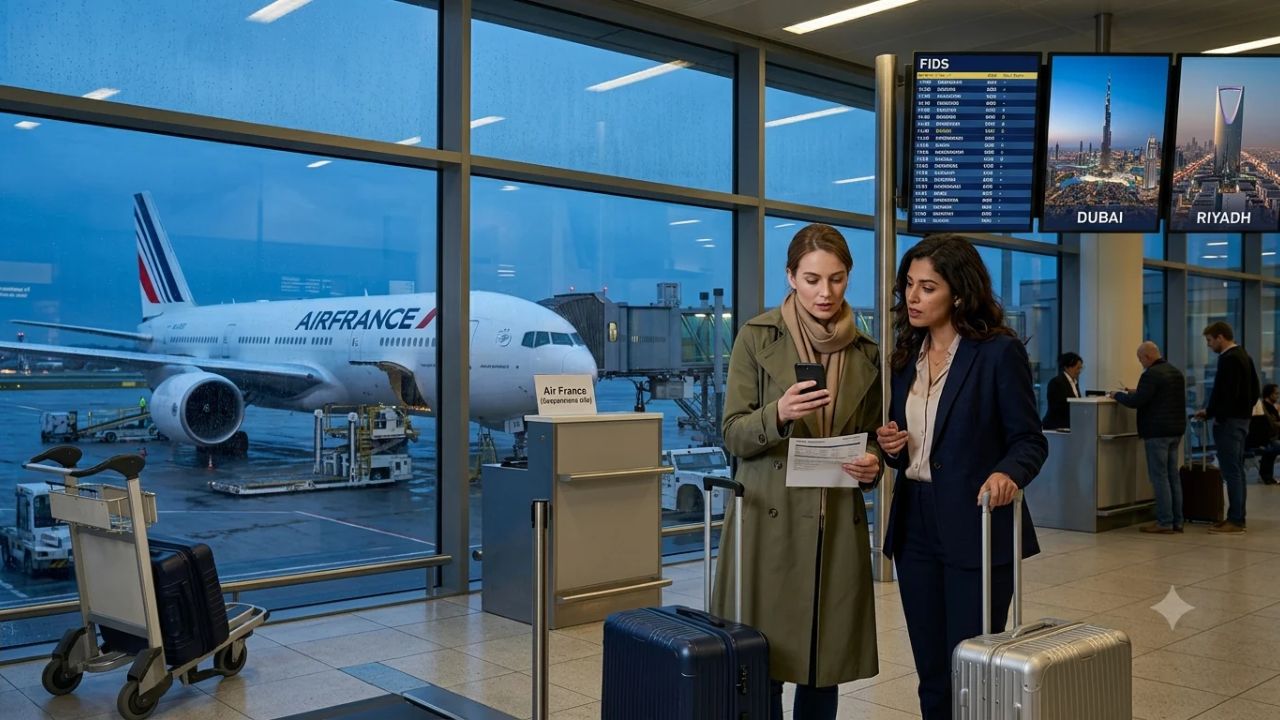
Boeing Business Jet Charters Command Premium Prices in 2026 as Ultra-Wealthy Seek Exclusive Air Travel


Image generated by AI
Luxury aviation sector experiences surge in demand for large-cabin aircraft amid geopolitical tensions and evolving corporate travel patterns
The High-Stakes Market for Large-Scale Private Aviation
The ultra-wealthy are increasingly turning to Boeing's converted commercial aircraft for private charter services, establishing a niche but lucrative segment within the broader aviation industry. These aircraft—originally engineered to accommodate hundreds of commercial passengers—now serve as flying palaces for elite diplomats, multinational corporations, and high-net-worth individuals seeking unparalleled privacy and operational flexibility across intercontinental routes.
The market for Boeing business jet charters reflects broader shifts in global connectivity demands. As geopolitical instability, fluctuating jet fuel prices, and security concerns reshape international travel patterns, premium charter operators have responded by expanding their fleets of large-cabin aircraft capable of transporting entire delegations non-stop across oceans and continents.
Pricing Architecture in the Contemporary Charter Market
Charter costs for large-format Boeing aircraft fluctuate based on multiple variables including flight duration, crew requirements, catering specifications, and fuel surcharges tied to global petroleum markets. Industry analysts note that charter operators have adjusted pricing structures throughout 2025-2026, reflecting elevated operational expenses driven by sustained aviation fuel costs and increased regulatory compliance requirements.
The conversion of commercial Boeing platforms into bespoke private aircraft represents a significant capital investment for charter companies, with customization expenses influencing hourly charter rates. These converted jets typically range from mid-sized widebody configurations to larger international variants, each commanding distinct market premiums.
Market Dynamics Shaping Luxury Aviation Demand
Several converging factors have intensified demand within this exclusive segment. Corporate executives conducting complex international negotiations increasingly prefer dedicated charter services over commercial first-class alternatives, citing enhanced security protocols and schedule autonomy. Simultaneously, diplomatic missions and government delegations continue relying on converted Boeing platforms for official travel, particularly when standard government aircraft availability proves constrained.
The environmental and financial implications of private aviation—notably higher per-passenger fuel consumption and carbon emissions compared to commercial carriers—remain secondary considerations for charter clientele prioritizing convenience and operational control.
The Future of Premium Aircraft Charter Services
As the aviation industry navigates post-pandemic recovery patterns and adapts to emerging carbon accountability frameworks, luxury charter operators remain positioned within a resilient market segment. High-net-worth individuals and institutional clients demonstrate sustained willingness to absorb premium pricing for exclusive access to large-scale private aircraft.
Industry projections suggest continued growth in ultra-luxury charter bookings through 2027, though potential regulatory changes addressing sustainability in private aviation could introduce new operational constraints and pricing pressures.
FAQ: Boeing Business Jet Charter Costs and Private Aviation
What determines the hourly charter cost for large Boeing aircraft? Flight distance, fuel prices, aircraft size, crew composition, and customization specifications all significantly impact pricing. Larger widebody conversions command higher hourly rates than mid-size alternatives.
How do jet fuel prices affect private charter rates? Aviation fuel costs directly influence operational expenses; volatile petroleum markets translate into surcharges passed to charter clients, particularly on extended intercontinental flights.
What advantages justify premium pricing for Boeing business jet charters? Clients gain complete schedule control, enhanced security, non-stop intercontinental capabilities, and the ability to transport large delegations—advantages unavailable through commercial first-class travel.
Are there sustainability considerations for large-scale private aircraft operations? Yes; regulatory frameworks increasingly address carbon emissions from private aviation, potentially introducing additional compliance costs that could impact future charter pricing.
Which sectors most frequently charter converted Boeing aircraft? Corporate leadership, diplomatic missions, government agencies, and ultra-high-net-worth individuals represent the primary charter clientele for large-cabin Boeing conversions.
Related Travel Guides
- Widespread Flight Cancellations and Delays Disrupt United States Independence Day Holiday Travel
- US Aviation Chaos: 3,248 Delays and 363 Cancellations Impact Major Hubs Nationwide
- Avincis Unleashes Massive Fleet Expansion With 15 New Airbus H145 Helicopters to Combat European Emergency Response Crisis: Latest Airline News
This article is for informational purposes. Flight routes, passenger regulations, visa rules, and transit advisories are subject to change by airlines and aviation authorities. Readers are advised to verify schedules and travel documentation with relevant carriers and border agencies before departure.
Related Stories
Ultra-Comfortable Budget Flights: How Singapore, Japan, Malaysia, and Spain Are Redefining Long-Haul Low-Cost Air Travel
Alaska Airlines Connects Anchorage with Dallas, Austin, and Nashville in Summer 2027 Domestic Network Expansion