
Hong Kong Moon Fest Lumiere at Lee Tung Avenue: Wan Chai Mid-Autumn Light Art Guide
Hong Kong Moon Fest Lumiere at Lee Tung Avenue: Wan Chai Mid-Autumn Light Art Guide

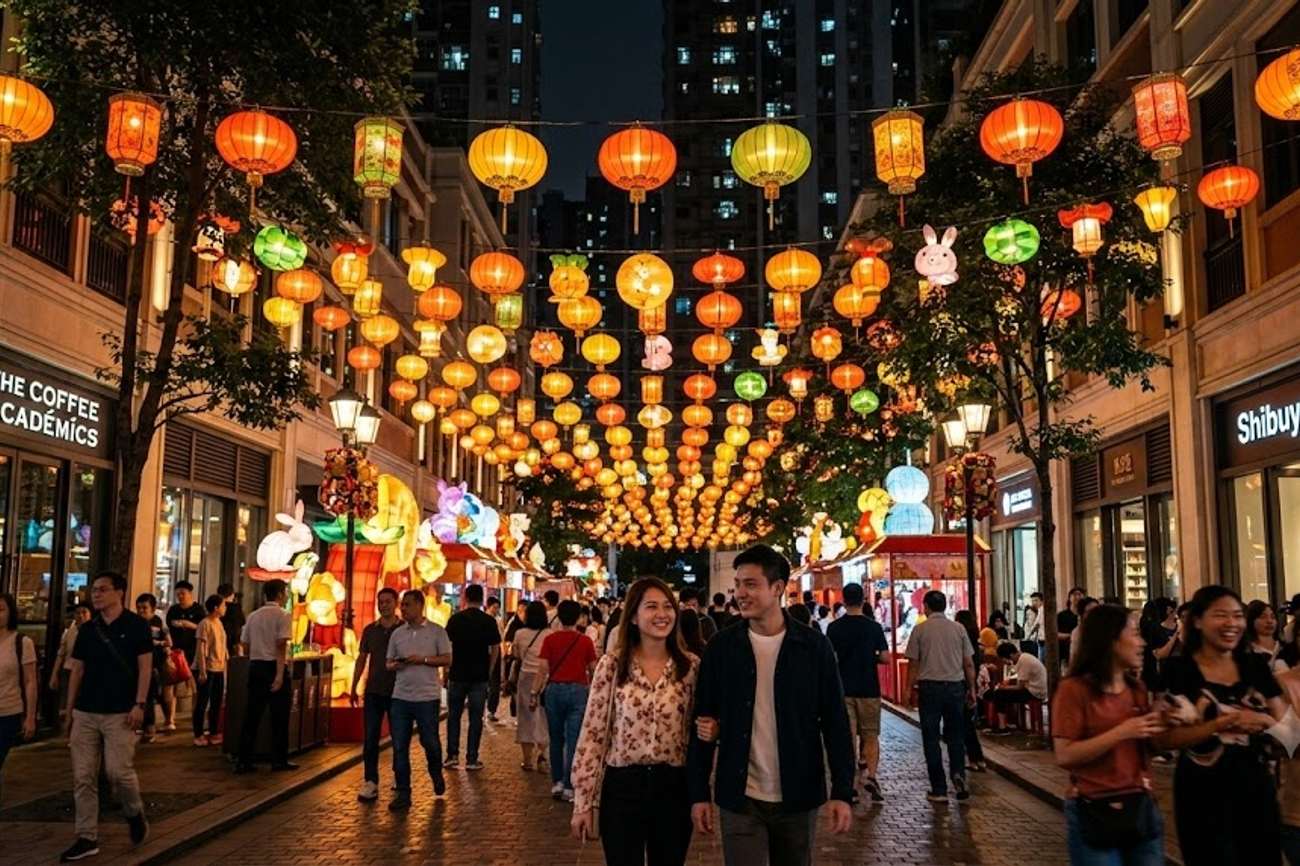
Image generated by AI
Zero ticketing fees and no pre-arrangement requirements define the accessibility of the Moon Fest Lumiere, a high-tech cultural installation that transforms Wan Chai’s Lee Tung Avenue into a curated gallery of light. This event represents a calculated shift in how Hong Kong manages its festive tourism, moving away from fragmented municipal displays toward a centralized, corporate-backed model of "cultural placemaking" that blends traditional Mid-Autumn folklore with advanced illumination engineering.
The Architecture of Urban Renewal in Wan Chai
The transition of Lee Tung Avenue from a historic street of printing presses to a pedestrian-oriented boulevard is not merely an aesthetic upgrade but a strategic urban regeneration project. The Moon Fest Lumiere is the seasonal manifestation of a partnership between private developers—specifically Sino and Hopewell Holdings—and the Urban Renewal Authority (URA), a statutory body tasked with improving the city's aging urban fabric.
Historically, Mid-Autumn celebrations in Hong Kong were decentralized, consisting of paper-and-wire lanterns in public parks or temple fairs. These legacy events often suffered from high localized congestion and a lack of cohesive curation. The current model at Lee Tung Avenue replaces this fragmentation with a synchronized effort to integrate historical tenement-style facades with modern LED arrays. By utilizing a pedestrian-first layout, the organizers have eliminated the commercial clutter and pop-up stalls that previously obstructed circulation, replacing them with kinetic light sculptures and geometric installations that serve as an evening itinerary anchor for both domestic and international visitors.
Data-Driven Tourism and Commercial Integration
The Moon Fest Lumiere operates as a sophisticated economic engine designed to stimulate the night-time economy of the Wan Chai district. The integration of light art is not purely altruistic; it is a tool used by retail management groups to smooth seasonal retail troughs. By creating a high-draw visual destination, the installation increases the length-of-stay metrics for tourists, which directly correlates to higher spending at adjacent dining establishments and retail boutiques.
The operational efficiency of the event is supported by a robust logistical framework:
| Component | Implementation Detail | Impact on Visitor Experience |
|---|---|---|
| Transit Access | Wan Chai MTR Station (Exit D) & Footbridges | Reduced logistical friction for metropolitan travelers |
| Accessibility | Integrated stroller and wheelchair compatibility | Broadened visitor demographics and inclusivity |
| Tech Stack | Foot-traffic sensors & Lee Tung Avenue mobile app | Optimized crowd dispersion and curation density |
| Environmental | Low-energy LED retrofitting & modular framing | Reduced carbon footprint of temporary exhibitions |
| Safety | Hong Kong Observatory warning protocols | Rapid deactivation of kinetic elements during cyclones |
The use of data analytics via mobile application interactions allows the management company to track visitor behavior in real-time. This shift toward "smart tourism" means that future installations are not based on tradition alone, but on empirical data regarding peak-hour congestion and movement patterns.
Expert Analysis: The Shift to Corporate Culturalism
For the traveler, the direct consequence of this shift is a more seamless, "sanitized," and accessible experience, but it signals a broader trend in global urban tourism: the privatization of cultural celebration. When a festival is managed by a consortium of private developers and a renewal authority rather than a neighborhood committee, the artistic direction becomes unified and the maintenance standards rise, but the event also becomes a tool for destination branding.
The pricing pressure created by this model is indirect. While the exhibition itself is free, the surrounding ecosystem is designed to funnel pedestrians toward high-end retail and gastronomy. The "free" nature of the light show acts as a loss leader for the commercial precinct.
From a regulatory perspective, this reflects a maturing urban management policy. The International Air Transport Association (IATA) often tracks the growth of "event-driven" travel; for Hong Kong, these curated experiences are essential to attract high-spending visitors who prioritize safety, accessibility, and "Instagrammable" aesthetics over the raw, often chaotic nature of traditional street fairs. The replacement of fragmented neighborhood funding with corporate sponsorship ensures that the event can scale and maintain a level of polish that attracts global social media attention, effectively outsourcing the city's marketing to the visitors themselves through organic content generation.
Key Takeaways
- Logistical Ease: The event is entirely free and requires no tickets, with direct access via Wan Chai MTR Exit D.
- Strategic Timing: To avoid the extreme congestion seen on weekends and statutory public holidays, visitors should target weekday evenings.
- Technological Integration: The use of LED retrofitting and modular framing indicates a shift toward sustainable, low-impact temporary installations.
- Economic Driver: The installation is specifically designed to increase foot traffic for surrounding retail and dining sectors during seasonal lulls.
- Safety Protocols: All outdoor kinetic elements are subject to immediate shutdown based on official Hong Kong Observatory weather warnings.
FAQ: Moon Fest Lumiere 2024
Is there an entry fee for the Moon Fest Lumiere at Lee Tung Avenue? No, the installation is a public art exhibition and is free for all visitors. No pre-booking or ticketing is required to walk through the illuminated promenade.
How do I get to the light installations using public transport? The most efficient route is via the MTR to Wan Chai Station. Use Exit D or the connected pedestrian footbridges to enter the Lee Tung Avenue precinct.
What happens to the event during bad weather or typhoons? The organizers follow Hong Kong Observatory protocols. In the event of heavy precipitation or tropical cyclones, kinetic light elements may be secured or deactivated to ensure public safety.
Are the installations accessible for people with disabilities? Yes, Lee Tung Avenue is designed as a pedestrian-oriented boulevard with integrated accessibility provisions, making it fully compatible with wheelchairs and strollers.
A masterclass in how corporate urban renewal transforms ancestral tradition into a high-conversion tourism asset.
Tags: Lee Tung Avenue, Wan Chai, Mid-Autumn Festival 2024, Urban Renewal Authority, Hong Kong Tourism, Sino Group
Related Travel Guides
Disclaimer
This article is for informational and educational purposes only. It does not constitute legal, financial, or professional advice. While we strive to provide accurate and up-to-date information, travel policies, regulations, and conditions change rapidly. Always verify information with official sources before making travel decisions. Nomad Lawyer makes no representations about the accuracy, reliability, completeness, or suitability of the information provided. Readers should consult qualified professionals for advice specific to their circumstances. The views expressed in this article are those of the author and do not necessarily reflect the views of Nomad Lawyer.
Raushan Kumar
Founder & Lead Developer
Full-stack developer with 11+ years of experience and a passionate traveller. Raushan built Nomad Lawyer from the ground up with a vision to create the best travel and law experience on the web.
Learn more about our team →