
Why Are Off-Grid Modular Luxury Pods Rapidly Taking Over The Future Of Wilderness Travel Across South America?
Why Are Off-Grid Modular Luxury Pods Rapidly Taking Over The Future Of Wilderness Travel Across South America?

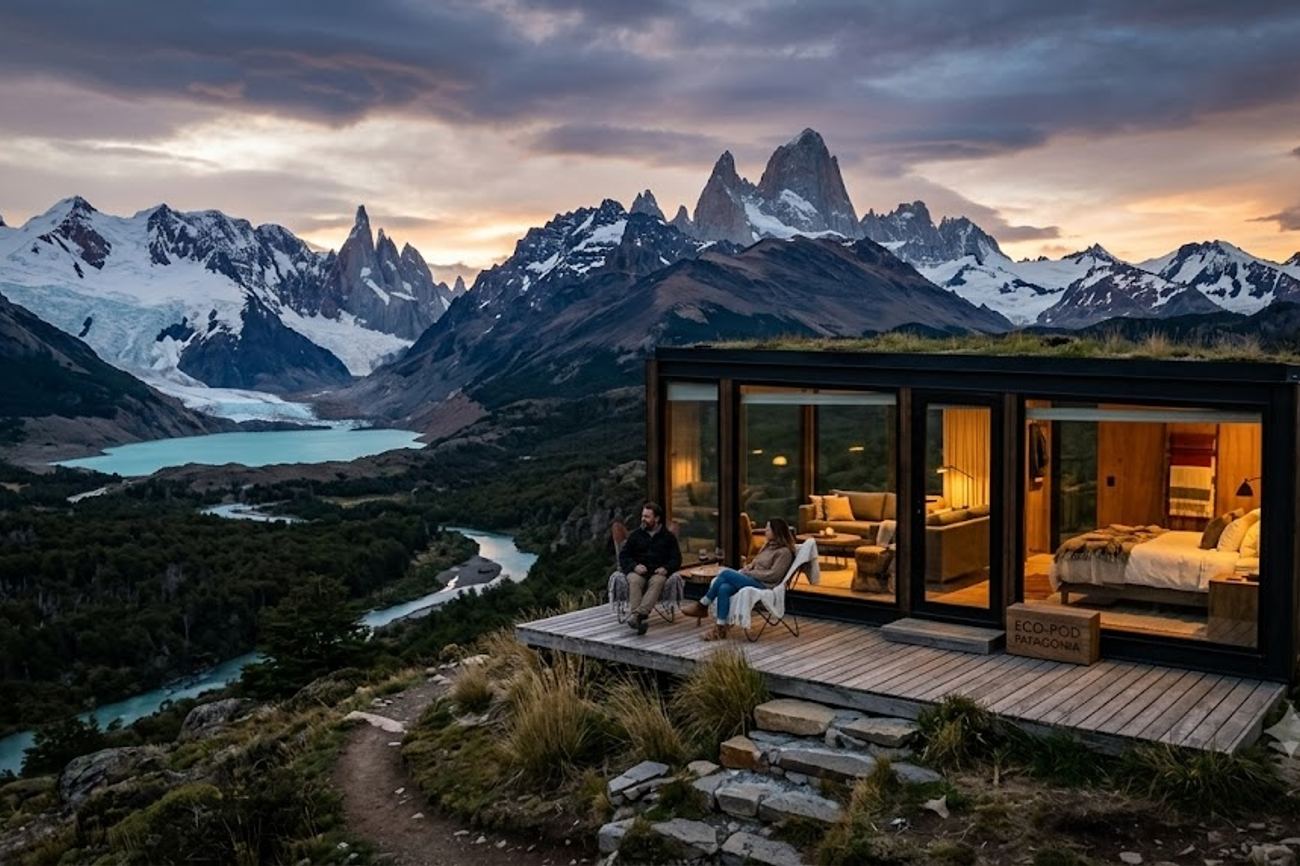
Image generated by AI
The Andes, the Amazon, and the Patagonian steppes are seeing a radical shift in how luxury is built, where prefabricated structural pods are replacing traditional masonry to protect some of the most fragile ecosystems on earth. While high-end tourism has always sought the remote, the cost and ecological damage of hauling concrete and crews into the wilderness have historically limited development. Now, a movement toward factory-crafted, modular luxury is allowing developers to plant high-end sanctuaries in regions where traditional construction was once a logistical nightmare.
The Rise of Modular Luxury in South America
The hospitality sector across South America is currently undergoing a structural evolution. For decades, building a luxury lodge in the high Andes or the depths of the Amazon meant battling immense logistical bottlenecks. Traditional construction required heavy machinery, massive supply chains, and large on-site labor crews that often left permanent scars on the land. The current trend is a pivot toward off-site structural manufacturing.
These modular pods are not mere cabins; they are precision-engineered living spaces built in controlled plant environments. By shifting the bulk of the construction away from the destination, developers can now deploy luxury suites with minimal land disruption. This shift is particularly evident in regions like Patagonia, where the windswept terrain makes traditional building timelines unpredictable. Because these units arrive fully outfitted, the time between the initial ground-breaking and the first guest check-in has contracted significantly. This allows resort managers to activate booking engines and generate cash flow far sooner than conventional brick-and-mortar projects allow.
What Makes Pod Tourism Different
The appeal of the modular pod lies in the intersection of architectural audacity and environmental intimacy. Unlike the cookie-cutter layouts of traditional hotels, these structures are designed to be immersive. The use of floor-to-ceiling glass paneling and tailored view orientations allows guests to feel entirely integrated into the surrounding wilderness while maintaining absolute climate control and high-end amenities.
There is also a fundamental shift in the psychology of luxury. Today’s affluent travelers are moving away from the shared hallways and common reception areas of grand hotels, which often compromise acoustic privacy and intimacy. Standalone prefabricated units can be strategically scattered across expansive terrain, offering a level of physical isolation that transforms a hotel stay into a private sanctuary. This spatial independence is becoming one of the most coveted luxuries in the global premium accommodation sector.
Beyond the guest experience, these structures serve as powerful organic marketing assets. In a digital culture driven by visual storytelling, a futuristic, architecturally striking pod set against a rugged mountain backdrop creates an immediate draw. This distinctive design often becomes the primary identity of the destination, attracting lifestyle content creators and high-net-worth individuals without the need for massive traditional advertising budgets. For those interested in the broader context of how these sites are managed, the UNESCO World Heritage Centre provides insight into the types of fragile landscapes that these low-impact building methods aim to protect.
Visitor Insider Tips
Navigating the remote regions of South America requires a different playbook than visiting urban hubs like Buenos Aires or Lima. If you are seeking out these modular retreats, keep these local nuances in mind:
Timing Your Arrival: To avoid the peak crowds in Patagonia, target the "shoulder" seasons of October to November or March to April. You will find the pods more secluded and the local wildlife more active. For the Amazon, the dry season (typically June to November) is the best window to ensure your transport to remote pods isn't delayed by extreme flooding.
Regional Specialties: When staying in remote pods, you are often far from commercial centers. Embrace the local "slow food" movement. In the Andes, seek out traditional quinoa-based dishes and alpaca steaks. In the south, the asado (barbecue) is a cultural institution; ensure your lodge offers a traditional open-fire experience.
Transport Hacks: Getting to these remote sites often involves a combination of regional flights and private 4x4 transfers. Always coordinate your arrival with the lodge's internal transport. For broader regional planning, the official Visit Chile or Visit Argentina portals offer the most reliable updates on road conditions and park access.
Etiquette and Respect: Many of these pods are placed on or near ancestral lands. Always ask your host about local customs regarding land use. A small gesture, such as learning basic phrases in Quechua or Spanish, goes a long way in building rapport with the local staff who manage these remote outposts.
Cultural and Environmental Context
The introduction of modular pods is not just a win for luxury; it is a strategic response to the environmental crisis facing South America's pristine terrains. Traditional masonry and concrete pouring are invasive processes that disturb native wildlife habitats and generate significant on-site waste. In fragile ecosystems, soil erosion caused by heavy machinery can take decades to recover.
By utilizing non-invasive foundation anchors and light site clearance, modular pods significantly reduce the physical footprint of tourism. This approach allows for "scalable sustainable growth." Investors can start with a small number of units and expand only as demand proves sustainable, rather than overbuilding a massive hotel that might eventually sit half-empty.
However, the interaction between high-end tourism and local communities remains a complex balance. While these projects bring capital into remote areas, there is a constant need to ensure that the economic benefits reach the local populations and that the "seclusion" offered to the guest does not result in the exclusion of the local culture. The most successful modular projects are those that integrate local guiding services and sustainable sourcing for their luxury amenities, ensuring that the presence of the pod benefits the forest or mountain as much as it benefits the traveler.
FAQ: Visiting South America 2025
What is the best time to visit remote luxury pods? For Patagonia, visit during the Southern Hemisphere's spring (October-November). For the Amazon, the dry season from June to November provides the most reliable access to remote sites.
Do I need a visa for South America? Requirements vary by nationality. US, Canadian, and EU citizens generally do not need visas for short tourism stays in Chile, Argentina, or Peru, but always check current government portals before booking.
How do I get to these remote locations? Most luxury pods require a flight to a regional hub (like Punta Arenas or Iquitos), followed by a private 4x4 transfer or boat journey arranged by the property.
Is it safe for solo travelers? Yes, especially in managed luxury pods. These properties typically provide end-to-end transport and 24/7 on-site staffing, making them an excellent choice for solo explorers seeking safety and solitude.
True luxury is no longer about the gold leaf in the lobby, but the silence of a mountain peak experienced from a glass wall.
#PatagoniaLuxury #AmazonEcoTourism #ModularArchitecture #SouthAmericaTravel2025 #SustainableHospitality #AndesAdventure
Related Travel Guides
- Paraguay Tourism Takes the Chaco Into Focus as Jaguar Safaris and Estancia Stays Rise
- Korea Tourism Roadshow Draws 500+ Travel Trade Professionals, Signalling Fresh India Growth
- Brazil Shakes Up Global Wellness Travel By Creating The Perfect Sanctuary Deep Within Chapada Diamantina, Here’s The Latest Update
Disclaimer
This article is for informational and educational purposes only. It does not constitute legal, financial, or professional advice. While we strive to provide accurate and up-to-date information, travel policies, regulations, and conditions change rapidly. Always verify information with official sources before making travel decisions. Nomad Lawyer makes no representations about the accuracy, reliability, completeness, or suitability of the information provided. Readers should consult qualified professionals for advice specific to their circumstances. The views expressed in this article are those of the author and do not necessarily reflect the views of Nomad Lawyer.
Raushan Kumar
Founder & Lead Developer
Full-stack developer with 11+ years of experience and a passionate traveller. Raushan built Nomad Lawyer from the ground up with a vision to create the best travel and law experience on the web.
Learn more about our team →