Antigua Guatemala Reimagined for Festival de las Flores 2026: Cultural Traveler's Guide to Ciudad Floreciente

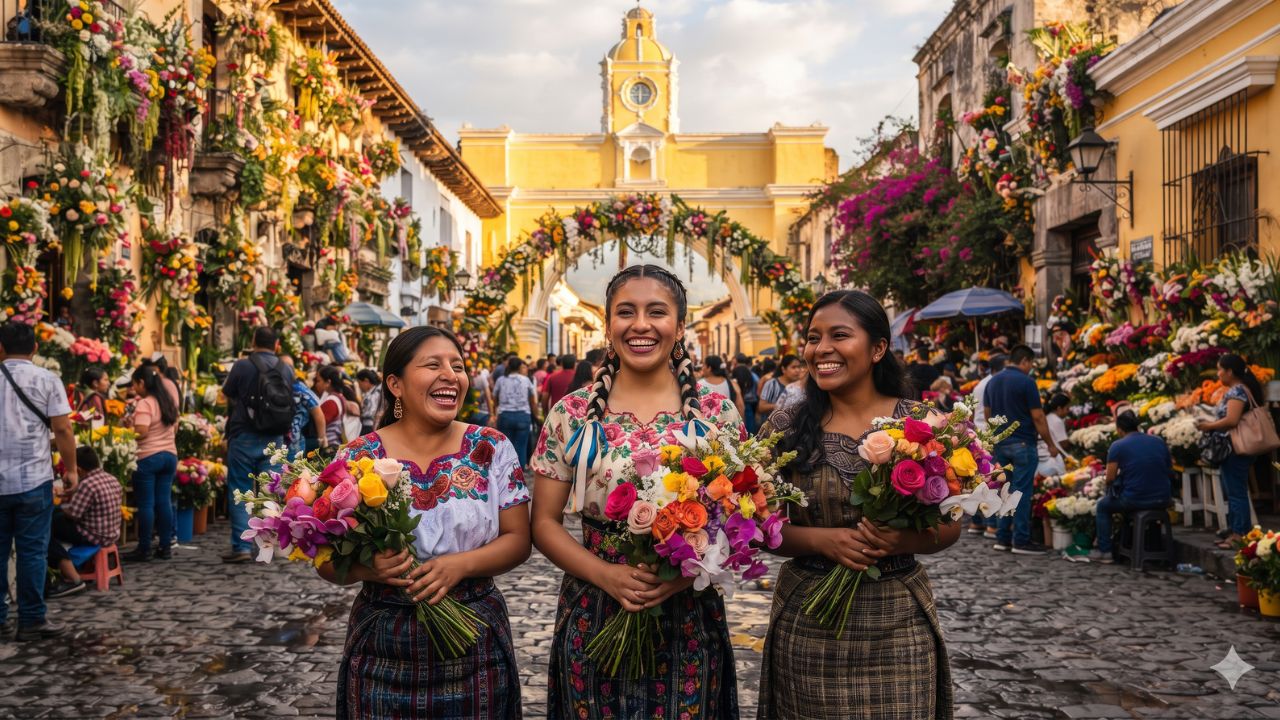
Every November, the 16th-century Spanish colonial capital of Antigua Guatemala undergoes an artistic reinvention where hundreds of thousands of freshly cut blooms drape across monumental earthquake ruins, colonial arcades, and cobblestone thoroughfares. Marking its tenth milestone edition under the official theme Ciudad Floreciente (Flourishing City) on 14 and 15 November 2026, the Festival de las Flores transforms this UNESCO World Heritage sanctuary into an open-air living gallery, combining floral architecture, juried street competitions, live acoustic concerts, and indigenous handicraft markets.
Tenth Edition of Festival de las Flores: Ciudad Floreciente 2026
The Festival de las Flores stands apart from conventional horticultural exhibitions by dispersing its creative installations throughout the public fabric of the city rather than enclosing them inside a convention hall or gated botanical garden. Supported by the Instituto Guatemalteco de Turismo (INGUAT), municipal leaders, local florists, fine artists, and neighborhood associations collaborate across Sacatepéquez department to turn plazas, stone courtyards, fountain basins, and private balconies into immersive living art installations.
The 2026 theme, Ciudad Floreciente, highlights the interplay between urban heritage preservation, botanical agriculture, and community entrepreneurship. In addition to the main November festivities in Antigua, the festival’s creative outreach expanded earlier in the season into northern Guatemala at Isla de Flores in Petén, set on Lake Petén Itzá near the ancient ruins of the Maya biosphere.
The central weekend features juried design competitions across five main categories: decorated building façades, botanical bicycles, neighborhood block exhibits, monumental public installations, and freeform floral compositions. Alongside competitive art displays, the central Mercadito de las Flores gathers regional plant growers, organic beekeepers, textile weavers, and botanical artists to sell handcrafted goods directly to travelers.
| Festival Component | Primary Location | 2026 Event Schedule | Focus & Visitor Experience |
|---|---|---|---|
| Main Festival Weekend | Citywide across Antigua Guatemala | 14–15 November 2026 | Free public access to street displays, outdoor installations, and historic monument decorations. |
| Floral Competitions | Calle del Arco, Plazas & Façades | 14–15 November 2026 | Juried categories covering residential façades, decorated bicycles, and monumental floral sculptures. |
| Mercadito de las Flores | Central Plaza & Designated Cloisters | Throughout Festival Days | Open-air botanical market offering exotic orchids, bromeliads, artisan goods, and local crafts. |
| Cultural Performances | Plazas, Courtyards & Historic Steps | Saturday & Sunday Programs | Traditional marimba music, acoustic street sets, theatrical dance, and botanical workshops. |
| Regional Sister Celebration | Isla de Flores, Petén | Pre-Festival Season Program | Floral decorations across Lake Petén Itzá’s historic island streets, connecting to Maya heritage routes. |
What Makes Antigua Experientially Unique
Founded in the Panchoy Valley beneath the symmetrical cone of Volcán de Agua, Antigua served as the military and administrative seat of the Spanish Captaincy General of Guatemala for more than two centuries. Inscribed onto the UNESCO World Heritage list in 1979, the city is renowned for its grid layout influenced by Italian Renaissance planning principles and its resilient Spanish Baroque architecture. Following devastating earthquakes in 1773, the capital moved to present-day Guatemala City, preserving Antigua as an atmospheric open-air museum of stone ruins, cloistered convents, and pastel-washed facades.
During the Festival de las Flores, this solemn stone canvas turns celebratory:
- The Santa Catalina Arch (Arco de Santa Catalina): Located along pedestrian-only Calle del Arco (5a Avenida Norte), the bright yellow 17th-century arch was originally built with a hidden enclosed walkway allowing cloistered nuns to pass between convent buildings unseen. During the festival, the arch becomes the epicenter of celebration, framed by cascades of purple bougainvillea, red roses, and yellow marigolds (cempasúchil), with the volcanic summit rising directly behind it.
- The Living Ruins of Colonial Monasteries: Crumbling nave arches and open-roofed stone cloisters at San Francisco El Grande, the Convent of Santa Clara, and the Cathedral of San José provide dramatic, sunlit settings for monumental floral sculptures.
- Indigenous Highland Botanical Heritage: The floral displays incorporate endemic flowers cultivated by indigenous Maya communities in the surrounding volcanic highlands, including rare cloud-forest orchids, wild bromeliads, and aromatic herbs that have held ceremonial significance since pre-Columbian times.
| Guatemalan Travel Corridor | Geographic Distance from Antigua | Core Cultural & Scenic Attractions | Transport Route & Logistics |
|---|---|---|---|
| Guatemala City (Hub) | 40 km (1–2 hours by road) | Historic Zone 1, National Palace, and La Aurora International Airport (GUA). | Direct highway transfer via private shuttle, taxi, or rental car along the CA-1 West. |
| Lake Atitlán (Highlands) | 80 km (2.5–3 hours by road) | Traditional Tz'utujil and Kaqchikel Maya villages, crater lake scenery, and textile weaving. | Tourist shuttles connecting Antigua directly to Panajachel, San Pedro, and San Juan La Laguna. |
| Petén & Tikal (Lowlands) | 500 km (1 hour flight from GUA) | UNESCO-listed Tikal National Park, Lake Petén Itzá, and colonial streets of Isla de Flores. | Domestic flight from La Aurora Airport (GUA) to Mundo Maya International Airport (FRS) in Flores. |
Visitor Insider Tips: Timing, Footwear, and Local Highland Traditions
Navigating Antigua during its most visually striking weekend requires practical on-the-ground preparation:
- Beat Midday Street Congestion: The festival draws large crowds from Guatemala City and around Central America. Wake early and hit Calle del Arco and Plaza Mayor between 6:30 AM and 8:30 AM. You will experience soft morning sunlight illuminating the floral arches, minimal pedestrian traffic for photography, and the cool morning breeze drifting off the volcanoes.
- Footwear is Non-Negotiable: Antigua’s streets are paved with historic river cobblestones (empedrado), which are charming but notoriously uneven. Leave thin sandals and heels behind; wear sturdy walking shoes or trail sneakers with solid ankle support and cushioned soles to avoid rolled ankles.
- Where to Base Yourself: Reserve hotel or boutique guesthouse rooms inside the historic core months in advance. Neighborhoods slightly north near the Church of La Merced or south near Escuela de Cristo offer quieter nighttime resting environments while remaining an easy five- to ten-minute walk from Calle del Arco.
- Local Culinary Traditions to Taste: Complement your street walks with traditional Guatemalan seasonal fare. Try pepián—a thick, rich stew of slow-cooked meat, roasted chilies, pumpkin seeds, and sesame seeds served with hot handmade corn tortillas. Finish with sweet plátanos en mole (plantains in chocolate-chili sauce) or hot atol de elote (warm sweetcorn drink flavored with cinnamon).
- Currency and Practical Payments: While hotels, upscale restaurants, and major shops accept international credit cards, small street vendors, botanical growers at the Mercadito de las Flores, and tuk-tuk drivers operate strictly in cash. Withdraw Guatemalan Quetzales (GTQ) from reliable bank ATMs inside Parque Central before the weekend, as cash machines can run dry during high-volume festival weekends.
Cultural and Environmental Context: Sustainable Floriculture and Community Economy
The Festival de las Flores represents a powerful intersection of community-based tourism and regional agricultural economics. The department of Sacatepéquez and neighboring volcanic slopes possess fertile volcanic soils that support an extensive cut-flower and ornamental plant industry. By sourcing blossoms directly from local cooperatives and family-owned nurseries in towns like Alotenango, San Miguel Dueñas, and Ciudad Vieja, the festival channels substantial economic revenue into rural agricultural households.
At the same time, the festival promotes environmental stewardship. Recent editions emphasize zero single-use plastics, encouraging organic composting of all botanical materials following the event and repurposing display flowers into natural dyes and organic soil amendments for local community gardens.
Equally vital is the preservation of living Maya heritage. Local Kaqchikel artisans weave natural plant fibers and display traditional backstrap-loomed textiles alongside the floral installations. By celebrating native biodiversity and centuries-old architectural heritage side-by-side, Antigua demonstrates how heritage tourism can honor historic legacy while fostering modern civic pride.
FAQ: Visiting Antigua Festival de las Flores 2026
When is the Festival de las Flores in Antigua Guatemala in 2026?
The tenth edition of the Festival de las Flores takes place on Saturday, 14 November and Sunday, 15 November 2026 throughout the historic center of Antigua Guatemala.
Do visitors need tickets to see the flower displays?
No. The main festival installations, decorated façades, and street competitions across public plazas and Calle del Arco are completely free and open to the public.
How do travelers get from Guatemala City to Antigua?
Antigua is approximately 40 kilometers from La Aurora International Airport (GUA) in Guatemala City, taking roughly one to two hours by pre-booked tourist shuttle, private transfer, or taxi.
What is the weather like in Antigua in mid-November?
Mid-November marks the start of Guatemala’s dry season, offering warm, sunny daytime temperatures around 22°C to 25°C (72°F–77°F) and crisp, cool evenings around 12°C to 14°C (54°F–57°F).
[As the evening chill settles beneath Volcán de Agua and candlelight softly illuminates flower-draped stone cloisters, Antigua’s timeless cobblestones share an unforgettable story of community, creativity, and living heritage.]
Related Travel Guides
Bethlehem Pennsylvania Christmas City Guide 2026: Markets, Moravian Heritage, and SteelStacks
The Insider Guide to Antigua Cobblestone Cafes, Lake Atitlán Shuttles, and Floral Markets, According To Reddit (Coming Soon)
This article is for informational purposes. Flight routes, passenger regulations, visa rules, and transit advisories are subject to change by airlines and aviation authorities. Readers are advised to verify schedules and travel documentation with relevant carriers and border agencies before departure.
Related Stories

Warm US Winter Travel Guide 2026–2027: Nine Sunshine Escapes from the Florida Keys to Hawaii
Galápagos Santa Cruz Flooding Alert 2026: Baltra Airport Updates, Island Road Conditions, and Travel Guide