
Hanoi Emerges: Asia's Heritage and Innovation Hotspot in 2026
Hanoi emerges as Asia's top heritage and innovation destination in 2026, recording 20%+ tourism revenue growth while launching smart city projects and UNESCO creative initiatives.

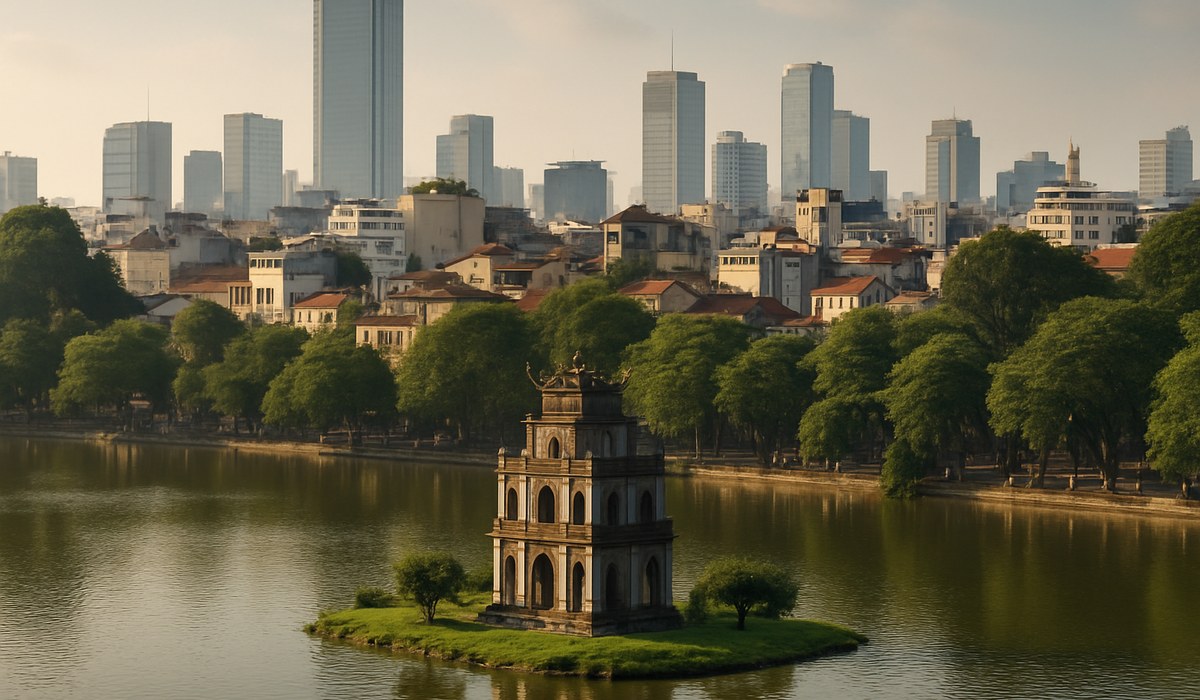
Image generated by AI
Hanoi has claimed its position as one of Asia's fastest-rising travel destinations, combining 20 percent tourism revenue growth with ambitious heritage preservation and smart city initiatives that are transforming the Vietnamese capital into a dual-identity hotspot. As Vietnam targets 25 million international arrivals in 2026, Hanoi's Old Quarter heritage routes and innovation districts are drawing attention from global airlines, tour operators and higher-spending travelers seeking authentic urban experiences alongside cutting-edge infrastructure.
Vietnam's Tourism Surge Powers Hanoi's 2026 Breakout
Vietnam welcomed 21 million international visitors in 2025, up from 17.5 million in 2024, and Hanoi captured a significant share of that growth with tourism revenue climbing more than 20 percent year-on-year. The surge reflects demand from regional markets including China, South Korea and Thailand, as well as expanding long-haul arrivals from Europe and North America. Noi Bai International Airport has added capacity across key routes, while multi-city itineraries pairing Hanoi with beach and mountain destinations are now standard offerings from major tour operators. As a result, Hanoi emerges Asia's second-most-popular Vietnamese gateway behind Ho Chi Minh City, frequently appearing in TripAdvisor rankings of top Asian city breaks.
Heritage Tourism Routes Connect Old Quarter to Craft Villages
Hanoi's Old Quarter around Hoan Kiem Lake remains the city's primary draw, but new heritage tourism routes are dispersing visitor flows to French colonial boulevards, craft villages and war-era landmarks on the urban periphery. Authorities have launched curated itineraries designed to extend average stays and reduce congestion in the narrowest lanes, while community-based tourism projects spotlight traditional crafts, cuisine and performing arts in partnership with local residents. Museums have digitized archives and upgraded facilities under cultural development plans running through 2030, broadening the menu of heritage-focused experiences for travelers planning 2026 trips. According to the Vietnam National Administration of Tourism, these initiatives aim to differentiate Hanoi from rapidly modernizing regional capitals by foregrounding its role as a cradle of Vietnamese identity and innovation.
Dong Anh Smart City and 108-Story Tower Redefine Urban Skyline
Multibillion-dollar smart city projects in Dong Anh, Cau Giay and Nam Tu Liem districts are reshaping Hanoi's skyline, led by the 108-story Phuong Trach Tower under construction in Dong Anh. Municipal policy documents describe pilot sandbox regulations for emerging technologies, incentives for research and development, and support for startup incubators that position Hanoi as a national center of innovation. A planned Hanoi Innovation Center and venture capital fund backed by public resources aim to attract domestic and foreign investment into high-growth sectors. Business travelers now split their time between modern office clusters and historic core meetings, while new hotels and serviced apartments open along key transport corridors to serve conferences and tech events. Expanded metro and ring-road links shorten travel times between Noi Bai International Airport, business districts and central attractions.
UNESCO Creative Cities Network Fuels Nighttime Economy Growth
Hanoi's bid to join the UNESCO Creative Cities Network has accelerated investment in cultural festivals, design districts and nighttime economy initiatives that extend visitor spending beyond daylight hours. Walking streets and night markets in the Old Quarter now operate year-round, while performing arts venues and gallery spaces in emerging neighborhoods attract younger travelers seeking contemporary Vietnamese creativity alongside traditional heritage. Tourism analysts note that these projects diversify Hanoi's appeal from a primarily daytime sightseeing destination into a 24-hour urban experience. The combination of heritage preservation and creative capital ambitions positions Hanoi emerges Asia's model for balancing rapid modernization with cultural authenticity.
Key Visitor Data and Infrastructure Milestones
| Metric | 2024 | 2025 | 2026 Outlook |
|---|---|---|---|
| Vietnam international arrivals | 17.5 million | 21 million | 25 million target |
| Hanoi tourism revenue growth | baseline | +20% | sustained double-digit |
| Noi Bai International Airport capacity | regional focus | expanded long-haul | new airline routes |
| Heritage routes | Old Quarter only | five curated itineraries | community-based expansions |
| Smart city projects | planning phase | Dong Anh under construction | Phuong Trach Tower rising |
| UNESCO creative bid status | submitted | active review | decision pending |
What This Means for Travelers
- Book early for 2026 high season: Hotel inventory in the Old Quarter and new business districts fills quickly during spring and autumn peak periods.
- Explore beyond Hoan Kiem Lake: Heritage routes now connect French colonial architecture, craft villages and war-era sites in less-crowded neighborhoods.
- Use expanded metro lines: New transport links cut travel time between Noi Bai International Airport and central Hanoi to under 40 minutes.
- Plan evening itineraries: Night markets, walking streets and performing arts venues operate year-round, extending daily spending opportunities.
- Combine heritage and innovation: Allocate time for both Old Quarter heritage walks and visits to smart city districts showcasing contemporary Vietnamese development.
FAQ
When is the best time to visit Hanoi in 2026? March through May and September through November offer mild temperatures between 20°C and 28°C, lower humidity and fewer tropical storms. These shoulder months align with heritage festival schedules and avoid summer heat and winter drizzle that can limit outdoor exploration.
How do I get from Noi Bai International Airport to Hanoi city center? Noi Bai International Airport (HAN) lies 28 kilometers north of central Hanoi. Metro Line 1 connects the airport to downtown in approximately 40 minutes, while metered taxis and ride-hailing apps offer door-to-door service for 300,000–400,000 VND. Airport shuttle buses operate hourly to Hoan Kiem Lake for budget travelers.
Which heritage routes in Hanoi emerges Asia's top cultural experiences? Five curated heritage routes launched in 2025 connect the Old Quarter, French Quarter colonial architecture, Bat Trang ceramic village, Duong Lam ancient village and Temple of Literature. Each route includes English signage, digital audio guides and community-based tourism stops highlighting traditional crafts and cuisine with local residents.
Will Hanoi's smart city projects affect traditional heritage neighborhoods? Municipal development plans designate the Old Quarter and French Quarter as protected heritage zones with height restrictions and architectural guidelines. Smart city construction focuses on northern and western districts including Dong Anh and Cau Giay, physically separate from historic core areas around Hoan Kiem Lake.
Best Time to Visit
Hanoi experiences four distinct seasons, with the optimal visitor window falling between March and May for spring blooms and September through November for autumn clarity. Temperatures during these periods range from 20°C to 28°C, with lower humidity and minimal rainfall compared with the hot, wet summer months of June through August. Winter months from December to February bring occasional drizzle and cooler mornings, though dry days remain suitable for sightseeing. Heritage festivals concentrated in spring and autumn align with cultural tourism route schedules, while business events peak in March, September and October when conference venues in new innovation districts host regional gatherings.
How to Get There
Noi Bai International Airport (HAN) serves as Vietnam's second-busiest gateway, with direct flights from regional hubs including Bangkok, Singapore, Seoul, Tokyo, Hong Kong and Kuala Lumpur. Long-haul routes connect Hanoi with London, Paris, Frankfurt and Sydney, typically via one stop in Bangkok or Singapore. Flag carrier Vietnam Airlines, budget operators VietJet Air and Bamboo Airways, plus international airlines including Singapore Airlines, Thai Airways and Korean Air operate scheduled services. From the airport, Metro Line 1 reaches central Hanoi in 40 minutes, while metered taxis and ride-hailing apps offer fixed-price transfers. Domestic flights link Hanoi with Ho Chi Minh City, Da Nang and Phu Quoc for multi-city itineraries.
Related Travel Guides
Disclaimer
This article is for informational and educational purposes only. It does not constitute legal, financial, or professional advice. While we strive to provide accurate and up-to-date information, travel policies, regulations, and conditions change rapidly. Always verify information with official sources before making travel decisions. Nomad Lawyer makes no representations about the accuracy, reliability, completeness, or suitability of the information provided. Readers should consult qualified professionals for advice specific to their circumstances. The views expressed in this article are those of the author and do not necessarily reflect the views of Nomad Lawyer.
Raushan Kumar
Founder & Lead Developer
Full-stack developer with 11+ years of experience and a passionate traveller. Raushan built Nomad Lawyer from the ground up with a vision to create the best travel and law experience on the web.
Learn more about our team →