
Guatemala Implements Regenerative Travel Models to Protect Rainforests and Maya Heritage
Guatemala's SIGAP conservation framework and community-based concessions in Petén are establishing Mesoamerica's leading model for regenerative travel.
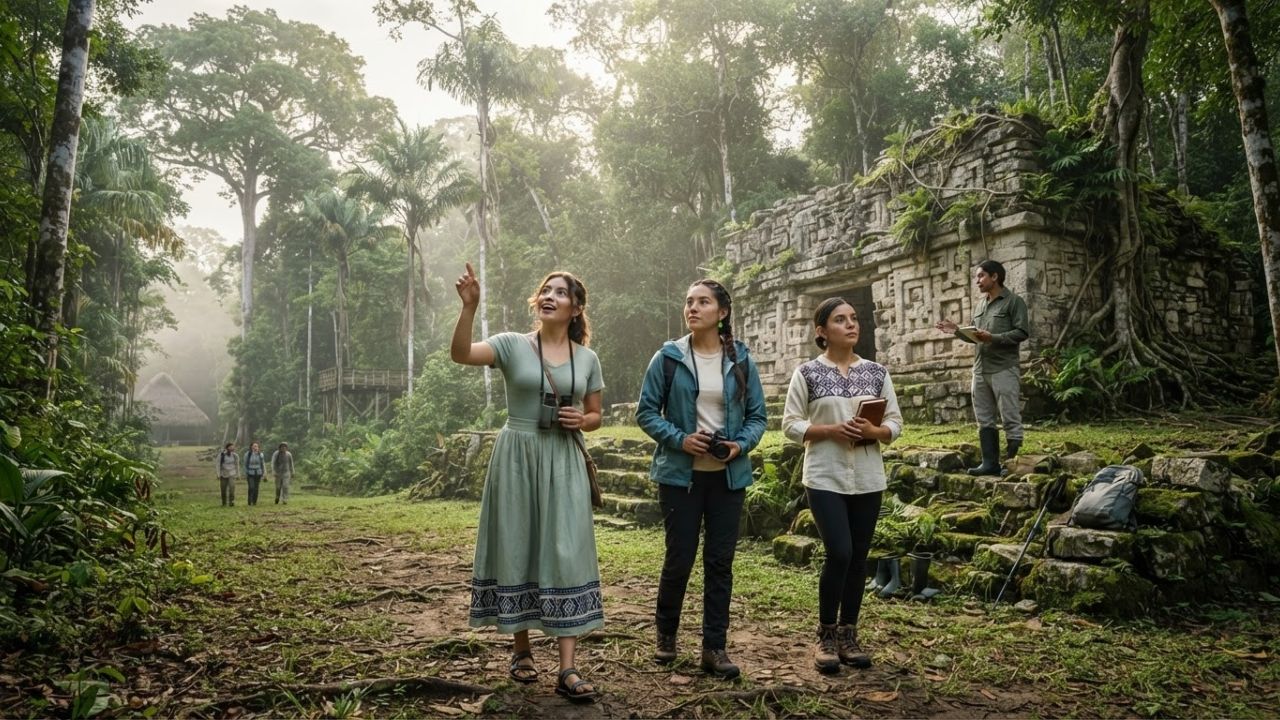
Image generated by AI
A comprehensive shift in environmental management has positioned Guatemala at the forefront of regenerative travel on August 10, 2026, as local indigenous communities and state conservationists establish community-managed forest corridors that protect endangered ecosystems.
The SIGAP Framework and Biodiverse Protection Corridors
Guatemala protects its natural heritage through the official Sistema Guatemalteco de Áreas Protegidas (SIGAP), managed directly by the Consejo Nacional de Áreas Protegidas (CONAP) across 349 protected areas spanning 32% of the national territory. At the core of this network lies the Reserva de la Biosfera Maya in Petén, a massive 2.11-million-hectare rainforest corridor that forms the largest contiguous tropical forest area in Mesoamerica. Within this wilderness, strict carrying capacities in Tikal National Park protect ancient Maya monuments alongside rare rainforest fauna.
Beyond the northern jungles, SIGAP spans diverse biomes to balance natural conservation with community development. The limestone pools of Semuc Champey Natural Monument in Alta Verapaz operate under co-management with indigenous Q’eqchi’ Maya communities to limit environmental strain. Meanwhile, the Lake Atitlán Multiple Use Reserve in Sololá guards volcanic watersheds through indigenous council governance, and Río Dulce National Park alongside Biotopo Chocón Machacas in Izabal protects coastal estuaries, mangrove corridors, and manatee habitats.
For the visitor, the real impact is a travel experience where tourism directly funds the preservation of the destination. Rather than maintaining a passive state of preservation, regenerative travel actively restores degraded habitats. A portion of every entrance fee and lodge booking supports local forest patrols, wildlife monitoring, and eco-infrastructure updates, ensuring that the natural environment is left in a healthier state than before.
Certifying Carbon-Neutral Accommodations and Eco-Lodges
Decarbonizing hospitality in Guatemala relies on rigorous institutional standards established by the Instituto Guatemalteco de Turismo (INGUAT), the Central American Integration System (SICA), and the Ministerio de Ambiente y Recursos Naturales (MARN). The government awards official accreditations including the Sello Q Verde for protected zones, the Sello Q mark for hotels, and the regional Sello SICCS certification. These accreditations systematically evaluate renewable energy adoption, greywater recycling, zero-waste management, and ethical local employment, eliminating greenwashing completely.
Off-grid eco-lodges near Lake Atitlán and Petén utilize advanced design strategies to maintain true carbon neutrality. By combining solar photovoltaic arrays with micro-hydro turbines, these properties produce clean electricity locally without relying on fossil fuel generators. Rainwater harvesting, constructed wetlands, composting toilets, and strict single-use plastic bans keep operational footprints minimal, while on-site permaculture gardens supply organic produce directly to dining tables.
By embedding these standards into the hospitality sector, Guatemala ensures that tourism development does not lead to resource depletion. Lodges function as active elements of the local ecosystem, returning clean water to the watershed and supporting local reforestation initiatives, demonstrating that luxury travel and environmental stewardship can coexist harmoniously.
Community-Based Tourism and Petén Forest Concessions
Community-Based Tourism (CBT) serves as a primary shield against illegal logging, cattle ranching, and forest fires across Guatemala’s interior. The Association of Forest Communities of Petén (ACOFOP) leads this model by managing over 450,000 hectares of rainforest within the Multiple Use Zone of the Maya Biosphere Reserve. Because local populations directly benefit from sustainable timber harvesting and eco-tours, deforestation within active ACOFOP concessions remains near 0%.
In the Uaxactún concession, resident families guide travelers through ancient astronomical complexes while demonstrating traditional chicle gum and xate palm harvesting. Similarly, the Carmelita Community Concession organizes the 5-day jungle trek to the ancient Maya metropolis of El Mirador, using visitor fees to finance local primary education and medical clinics. In San José, the indigenous Bio Itzá organization merges Itzá Maya language preservation with ethnobotanical forest tours. These community-led programs show how tourism revenue acts as a direct financial incentive for forest rangers and conservationists to protect critical habitats, demonstrating a successful alternative to traditional preservation models.
To scale CBT initiatives commercially, 18 community enterprises formed the officially recognized Red de Turismo Rural y Comunitario de Petén using the Market Ready Tourism framework. Supported by INGUAT, CONAP, the German Development Agency (GIZ), and La Mano del Mono, this network connects isolated rural villages directly with global travel markets. These commercial channels ensure that direct visitor spending reaches grassroots operators across varied geographical zones.
Transit Insider: Volcanic Watershed Etiquette and Maya Culinary Heritage
For travelers exploring Guatemala's diverse natural reserves, following local protocols and custom travel strategies ensures a respectful and rewarding journey:
- Maya Archaeological Etiquette: When visiting sacred archaeological sites like Tikal or El Mirador, respect indigenous customs. Do not climb on restricted monuments, remain on designated trails to prevent soil erosion, and obtain permission before photographing traditional ceremonies.
- Peak and Off-Peak Windows: Consider traveling during the shoulder months of November or May. November offers lush, post-rainy-season scenery and pleasant temperatures, with fewer crowds than the peak winter months.
- Culinary Specialties: Try local dishes at community-run lodges. Sample Pepián, a traditional spiced meat stew made with toasted seeds and chili peppers, or Kak'ik, a Q'eqchi' Maya turkey soup flavored with local herbs, accompanied by warm, hand-patted corn tortillas.
- Supporting local cooperatives: Support local economies directly by purchasing organic, shade-grown coffee from cooperatives associated with Anacafé or hand-woven textiles from Tz'utujil Maya weavers in San Juan La Laguna.
Strategic Pillars and the Outlook for Guatemalan Ecotourism
Guatemala’s regenerative framework incorporates four complementary environmental pillars: indigenous ancestral knowledge, agroforestry systems, blue economy protection, and payments for ecosystem services. Incorporating the Maya calendar, traditional ecological knowledge, and sacred site protocols into official guide training preserves spiritual heritage alongside indigenous land rights. Furthermore, agroforestry initiatives link shade-grown coffee tours and fine-flavor cacao restoration directly with culinary travel.
The coastal blue economy protects marine environments along the Pacific coast at the Monterrico and Hawai Marine Turtle Conservation Zones and the Caribe Maya Mesoamerican Reef through mangrove restoration. Simultaneously, state conservation incentive programs like PINPEP and PROBOSQUE provide direct financial payments for ecosystem services. Connected to MARN carbon credit schemes, these incentives reward landowners and eco-lodges financially for keeping standing forests intact.
The long-term outlook for the destination relies on maintaining this balance between visitor activity and conservation. By enforcing daily visitor caps and strict carrying capacities at delicate sites like Semuc Champey, the government prevents environmental degradation. Restorative travel projects ensure that local communities remain the primary stewards and beneficiaries of the tourism economy, preserving Guatemala's ancient heritage for generations to come.
FAQ: Guatemala Regenerative Travel 2026
What is the difference between sustainable and regenerative travel?
Sustainable travel aims to minimize negative environmental impacts, keeping ecosystems as they are. Regenerative travel actively restores and improves habitats, ensuring visitor activity generates a positive impact.
How does the forest concession model protect the Maya Biosphere Reserve?
By granting local communities the rights to sustainably harvest timber and operate eco-tours, the concession model provides direct income, reducing deforestation rates within concessions to near 0%.
What official eco-certifications are used for accommodations in Guatemala?
Guatemala utilizes the Sello Q mark for hotels, the Sello Q Verde for protected zones, and the regional Sello SICCS certification to evaluate renewable energy, recycling, and local employment.
Related Travel Guides
Qatar Airways Issues Scam Alert to Warn Passengers Against Fraudulent Accounts
Colombia Magnitude 6.8 Earthquake Shakes Western Region and Triggers Travel Safety Checks
INGUAT Outlines New Sustainable Guidelines for Volcanic Trekking in Sololá and Lake Atitlán
Disclaimer
This article is for informational and educational purposes only. It does not constitute legal, financial, or professional advice. While we strive to provide accurate and up-to-date information, travel policies, regulations, and conditions change rapidly. Always verify information with official sources before making travel decisions. Nomad Lawyer makes no representations about the accuracy, reliability, completeness, or suitability of the information provided. Readers should consult qualified professionals for advice specific to their circumstances. The views expressed in this article are those of the author and do not necessarily reflect the views of Nomad Lawyer.