
India's High-Tech Toilets Are Reshaping Tourism in 2026
India's smart sanitation infrastructure is now a decisive competitive advantage for tourism destinations. High-tech public toilets equipped with digital monitoring are transforming traveler experiences across heritage sites and pilgrimage circuits in 2026.

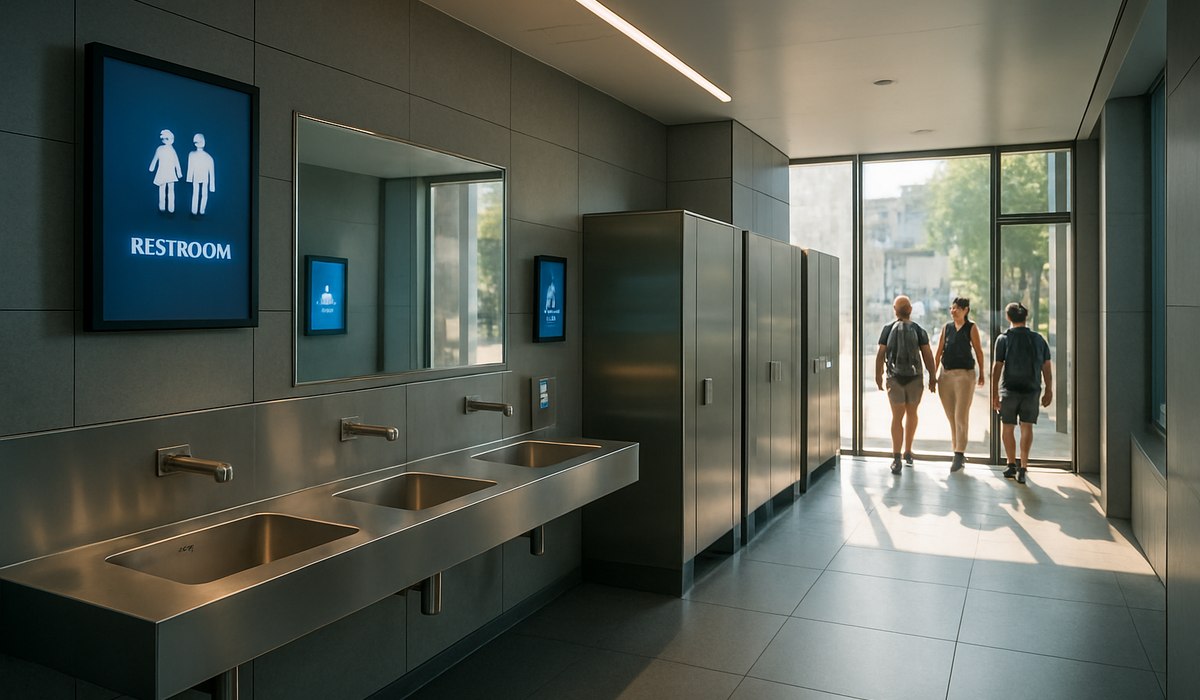
Image generated by AI
India's Smart Sanitation Push Is Now Tourism Infrastructure Priority
India's government is fundamentally repositioning high-tech public toilets as core destination infrastructure rather than a peripheral amenity. The shift signals that clean, digitally-monitored sanitation has become a competitive advantage for attracting both domestic and international travelers to heritage sites, pilgrimage circuits, and urban tourism hubs across the country. What started as the Swachh Bharat Mission's toilet construction program in 2014 has evolved into a sophisticated smart sanitation ecosystem featuring sensor-equipped facilities, real-time monitoring, and automated maintenance systems. Where India's tourism infrastructure once treated sanitation as an afterthought, destinations now actively market high-tech washrooms as visitor amenities. When travelers evaluate Indian destinations in 2026, functional and hygienic toilet facilities increasingly influence booking decisions and satisfaction ratings. Why this matters: the government recognizes that rising visitor volumes to major attractions demand infrastructure that prevents hygiene failures and supports responsible tourism commitments.
From Swachh Bharat to Smart Sanitation: India's Tourism Infrastructure Pivot
The Swachh Bharat Mission launched in 2014 focused primarily on toilet construction in rural and urban areas. Today, the program's urban phase emphasizes "Swachh Smart Toilets" that integrate maintenance protocols, digital oversight, and user feedback mechanisms into destination planning. This evolution reflects a fundamental change in how India's Ministry of Tourism views sanitation infrastructure.
The Ministry's flagship schemes—Swadesh Darshan and PRASHAD—now explicitly list toilets, drinking water systems, and waste management alongside roads and signage as essential destination components. Tourism planners across India have acknowledged that major pilgrimage circuits and heritage cities cannot accommodate growing visitor volumes without reliable sanitation systems. The government has linked this infrastructure push to India's broader "Travel for LiFE" sustainability commitment, positioning clean toilets as prerequisites for environmentally-responsible tourism. Recent analysis from tourism sector researchers confirms that destinations with dependable sanitation facilities receive higher satisfaction ratings from both domestic and international visitors. Learn more about India's sustainable tourism initiatives.
How Digital Monitoring and High-Tech Toilets Are Changing the Game
Modern high-tech toilets across India now feature motion-triggered flushing, automated cleaning cycles, real-time water-level sensors, and remote diagnostics that alert maintenance teams when supplies run low. These intelligent systems reduce manual labor while ensuring consistent hygiene standards across busy transit hubs, markets, and tourist promenades. Self-contained intelligent public toilets combine durable materials with automated cleaning protocols and touchless access control through smart cards or push-button systems.
Vandal-resistant design and solar power options make these facilities sustainable choices for remote heritage sites with limited electrical infrastructure. Advanced treatment technologies at newer installations drastically reduce water consumption while recycling waste on-site through multi-stage processes. Odor-control mechanisms and energy-efficient designs specifically target high-footfall locations where tourist reputation risks are highest. Cities recognized in national cleanliness rankings have become early adopters, deploying automated toilet clusters near popular landmarks and central business districts. Highway wayside amenities installed at 40-to-60-kilometer intervals feature ISO-certified facilities, separate blocks for men and women, bathing areas, drinking water stations, and food courts. Indian Railways and major airports have similarly upgraded their facilities with mechanized cleaning, touchless fittings, and dedicated family areas to meet evolving traveler expectations.
Sanitation as Competitive Advantage: What This Means for Travelers
High-tech toilet infrastructure directly impacts your travel experience across India's major tourism circuits. Destinations with smart sanitation systems report fewer hygiene-related complaints and higher visitor satisfaction scores. The presence of real-time monitoring means maintenance staff respond faster to issues, reducing your chances of encountering substandard facilities during peak travel times.
Highway wayside amenities now offer predictable rest stops every 40-60 kilometers, replacing informal and inconsistent stopovers with certified, hygienic facilities. This standardization benefits long-distance road travelers, intercity bus passengers, and organized tour groups moving between major attractions. Railway upgrades on premium routes feature improved toilet design and frequent servicing, addressing decades of passenger complaints. Airport terminal expansions routinely include enhanced washroom capacity, touchless technology, and family nursing rooms. Mobile applications are emerging that allow travelers to locate nearby high-tech facilities, check real-time cleanliness ratings, and provide feedback. For domestic tourists, these infrastructure improvements reduce uncertainty about facility availability at popular destinations. International visitors increasingly factor sanitation quality into destination selection decisions, making India's smart toilet investments a strategic competitive move against other regional tourism destinations.
Sustainability Goals and the Role of Clean Infrastructure in Responsible Tourism
India's commitment to sustainable tourism explicitly recognizes clean infrastructure as foundational. The government's "Travel for LiFE" initiative positions sanitation systems alongside reduced carbon emissions and community protection as core responsible-tourism principles. High-tech toilets that recycle water, use solar power, and minimize waste directly support these environmental goals while serving tourists.
Smart sanitation infrastructure reduces the environmental footprint of high-visitation destinations by decreasing water consumption and energy demands. Multi-stage treatment processes allow wayside amenities to operate independently in remote heritage areas without straining local utilities. These systems also prevent contamination of groundwater and local water sources—a critical concern near pilgrimage sites and rural attractions. Government partnerships with sanitation-focused startups have accelerated innovation in on-site waste treatment and renewable energy integration. As international tourism standards increasingly emphasize environmental responsibility, India's smart sanitation push positions the country as a forward-thinking destination committed to balancing visitor access with environmental protection. For travelers prioritizing sustainable choices, high-tech toilet facilities represent tangible evidence of destination-level environmental commitment. Review UN sustainable development goals for tourism.
Key Data: India's High-Tech Toilet Tourism Infrastructure
| Metric | Details |
|---|---|
| Swachh Bharat Mission Launch | 2014; evolved from toilet construction to smart sanitation integration |
| Wayside Amenity Spacing | 40-60 kilometers on national highways; includes ISO-certified facilities |
| Smart Toilet Features | Motion sensors, automated cleaning, real-time monitoring, touchless access |
| Government Schemes | Swadesh Darshan and PRASHAD explicitly list sanitation as core infrastructure |
| Solar-Powered Facilities | Increasingly deployed at remote heritage sites and pilgrimage circuits |
| Water Reduction Technology | Advanced treatment systems reduce consumption by 30-50% compared to traditional toilets |
| Maintenance Response | Remote diagnostics alert staff to issues in real-time across monitored networks |
| High-Footfall Locations | Railway stations, airports, markets, tourist promenades prioritized for smart upgrades |
| Gender-Inclusive Design | Separate blocks, family areas, and accessibility features now standard in new installations |
| Traveler Feedback Integration | Mobile apps enable real-time ratings and maintenance alerts for destinations |
What This Means for Travelers
High-tech toilet infrastructure fundamentally improves your India travel experience in measurable ways:
-
Plan with Confidence: Highway wayside amenities now appear on GPS and tourism apps, eliminating uncertainty about facility availability during long road journeys between major attractions.
-
Reduced Health Risks: Real-time monitoring and automated cleaning significantly lower contamination risks compared to traditionally-maintained public facilities at tourist destinations.
-
Enhanced Comfort Standards: Touchless technology, separate gender facilities, and family nursing areas reflect international hygiene standards you'd expect at airports and major urban centers.
-
Faster Problem Resolution: Remote diagnostic systems alert maintenance teams immediately when facilities require attention, reducing your chances of encountering neglected or broken equipment.
-
Sustainable Travel Choices: High-tech facilities with water recycling and solar power let you align
Disclaimer
This article is for informational and educational purposes only. It does not constitute legal, financial, or professional advice. While we strive to provide accurate and up-to-date information, travel policies, regulations, and conditions change rapidly. Always verify information with official sources before making travel decisions. Nomad Lawyer makes no representations about the accuracy, reliability, completeness, or suitability of the information provided. Readers should consult qualified professionals for advice specific to their circumstances. The views expressed in this article are those of the author and do not necessarily reflect the views of Nomad Lawyer.
Preeti Gunjan
Contributor & Community Manager
A passionate traveller and community builder. Preeti helps grow the Nomad Lawyer community, fostering engagement and bringing the reader experience to life.
Learn more about our team →