
Bolivia Tourism Expansion 2026: Beyond Salar de Uyuni to Amazon Jungles and Andean Ruins
Bolivia is diversifying its tourism appeal in 2026, shifting focus from the iconic Salar de Uyuni to include Amazonian rainforests, colonial heritage sites, and ancient Tiwanaku ruins.

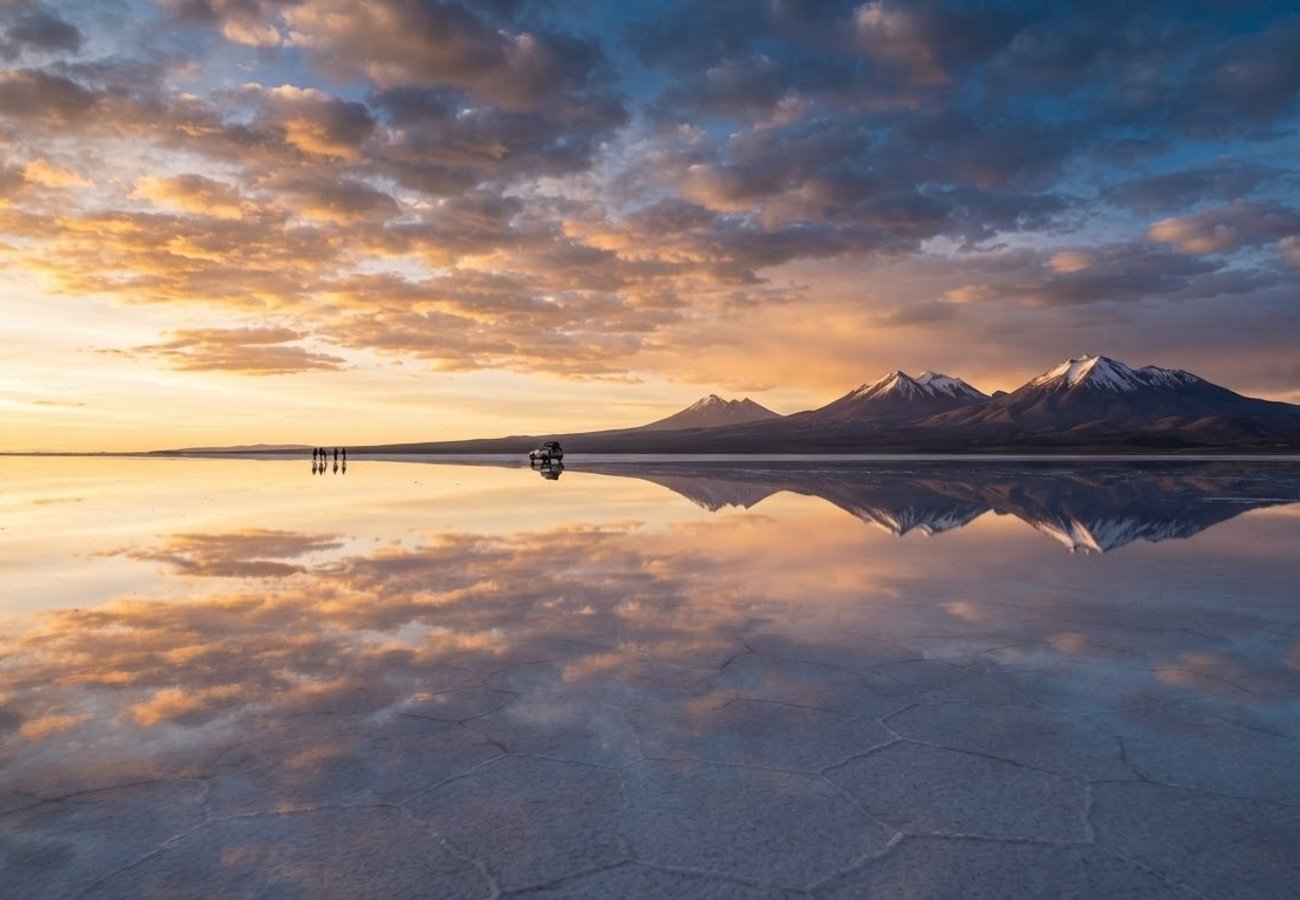
Image generated by AI
Bolivia is evolving from a single-destination stopover into a multi-faceted expedition hub. While the salt flats remain the primary draw, a surge in interest for Amazonian biodiversity and colonial history is reshaping the national travel circuit.
Bolivia offers a rare geographic diversity that separates it from its South American neighbors. The country integrates high-altitude Andean peaks, sprawling salt plains, and dense tropical rainforests into a single itinerary. This variety makes it a primary target for "slow travel" enthusiasts who prioritize deep cultural immersion over rapid sightseeing.
Navigating the country requires strategic planning due to extreme altitudes, unpredictable weather, and long transit distances. However, the infrastructure supports a growing number of visitors seeking out the country's seven UNESCO World Heritage sites, which anchor the nation's cultural and natural value.
The High-Altitude Circuit: Uyuni and La Paz
The Salar de Uyuni remains the cornerstone of Bolivian tourism. As the world's largest salt flat, it provides two distinct experiences depending on the season. During the rainy period, a thin water layer transforms the plains into a massive natural mirror; in the dry season, the ground hardens into geometric white patterns.
Beyond the salt flats, the region offers a rugged landscape of volcanoes, hot springs, and colorful lagoons. Because this area is remote and subject to freezing nighttime temperatures, the use of certified tour operators is essential for safety.
La Paz serves as the operational gateway for most international arrivals. Situated in a deep valley surrounded by mountains, the city is a hub for commerce and culture. It provides the necessary logistics for travelers heading toward Lake Titicaca or the Altiplano.
Traveler Alert: Altitude Management Both La Paz and Uyuni are situated at extreme elevations. Visitors are advised to:
- Dedicate the first 24 hours to complete rest.
- Maintain high hydration levels.
- Consult medical professionals regarding altitude sickness medications before departure.
Ancient Civilizations and Colonial Legacies
The transition from the chaos of La Paz to the serenity of Lake Titicaca marks a shift toward spiritual and historical exploration. Copacabana acts as the primary shore-base for lake excursions, offering a slower pace of life.
Nearby, the ruins of Tiwanaku provide critical insight into pre-Columbian Andean civilization. The site's stone gateways and complex carvings establish Bolivia's history as a center of political and spiritual power long before the colonial era.
In the south, the cities of Sucre and Potosí present a stark contrast in colonial narratives:
- Sucre: Known for its white architecture and museums, offering a refined, quiet atmosphere.
- Potosí: A site of immense historical weight, where the legacy of silver mining highlights both colonial wealth and the human cost of extraction.
Biodiversity and Lowland Exploration
Bolivia's eastern and northern regions offer a complete departure from the Andean highlands, focusing on ecology and geology.
Madidi National Park is a global priority for rainforest conservation. Accessed primarily via Rurrenabaque, the park emphasizes community-based tourism. This model ensures that income from wildlife spotting—including monkeys and rare bird species—directly supports indigenous communities and forest preservation.
For those interested in paleontology, Torotoro National Park provides a specialized experience. The park is characterized by deep canyons and caves, most notably featuring preserved dinosaur footprints.
In the east, Santa Cruz serves as the gateway to the warmer lowlands. This region is the starting point for visits to Samaipata and the Jesuit Missions of Chiquitos, providing a cultural experience that avoids the physical strain of high altitude. The Noel Kempff Mercado National Park remains one of the most intact wilderness areas in the Amazon Basin, though it requires extensive planning to access.
Essential Logistics for 2026 Travelers
Bolivia is not a destination for the casual tourist; it rewards those who plan meticulously. The contrast between a morning on a salt flat and an evening in a tropical jungle requires versatile packing and flexible scheduling.
Bolivia's UNESCO World Heritage Sites
| Site | Category | Primary Appeal |
|---|---|---|
| Sucre | Cultural | Colonial architecture and history |
| Potosí | Cultural | Silver mining heritage |
| Tiwanaku | Cultural | Ancient Andean ruins |
| Samaipata | Cultural | Archaeological carvings |
| Jesuit Missions of Chiquitos | Cultural | Baroque missions and music |
| Qhapaq Ñan | Cultural | Ancient Inca road network |
| Noel Kempff Mercado | Natural | Intact Amazonian wilderness |
Key Takeaways for Visitors
- Diversified Itineraries: Move beyond Uyuni to include Madidi (jungle) and Sucre (history).
- Health First: Prioritize altitude acclimatization in La Paz.
- Sustainable Choice: Opt for community-led tours in the Amazon to support conservation.
- Gear Requirements: Pack for extreme temperature swings, from tropical humidity to Andean freezes.
Frequently Asked Questions
When is the best time to see the "mirror effect" at Salar de Uyuni? The mirror effect occurs during the rainy season (typically December to March) when a thin layer of water covers the salt crust.
Is it possible to visit the Amazon and the Andes in one trip? Yes, but it requires significant time. Most travelers use La Paz for the highlands and Santa Cruz or Rurrenabaque for the lowlands.
Are the Jesuit Missions of Chiquitos accessible? Yes, they are located in the eastern lowlands and are accessible via Santa Cruz, offering a warmer alternative to the mountain regions.
Bolivia remains one of the few places on earth where the landscape changes as drastically as the history.
Related Travel Guides
Disclaimer
This article is for informational and educational purposes only. It does not constitute legal, financial, or professional advice. While we strive to provide accurate and up-to-date information, travel policies, regulations, and conditions change rapidly. Always verify information with official sources before making travel decisions. Nomad Lawyer makes no representations about the accuracy, reliability, completeness, or suitability of the information provided. Readers should consult qualified professionals for advice specific to their circumstances. The views expressed in this article are those of the author and do not necessarily reflect the views of Nomad Lawyer.
Raushan Kumar
Founder & Lead Developer
Full-stack developer with 11+ years of experience and a passionate traveller. Raushan built Nomad Lawyer from the ground up with a vision to create the best travel and law experience on the web.
Learn more about our team →