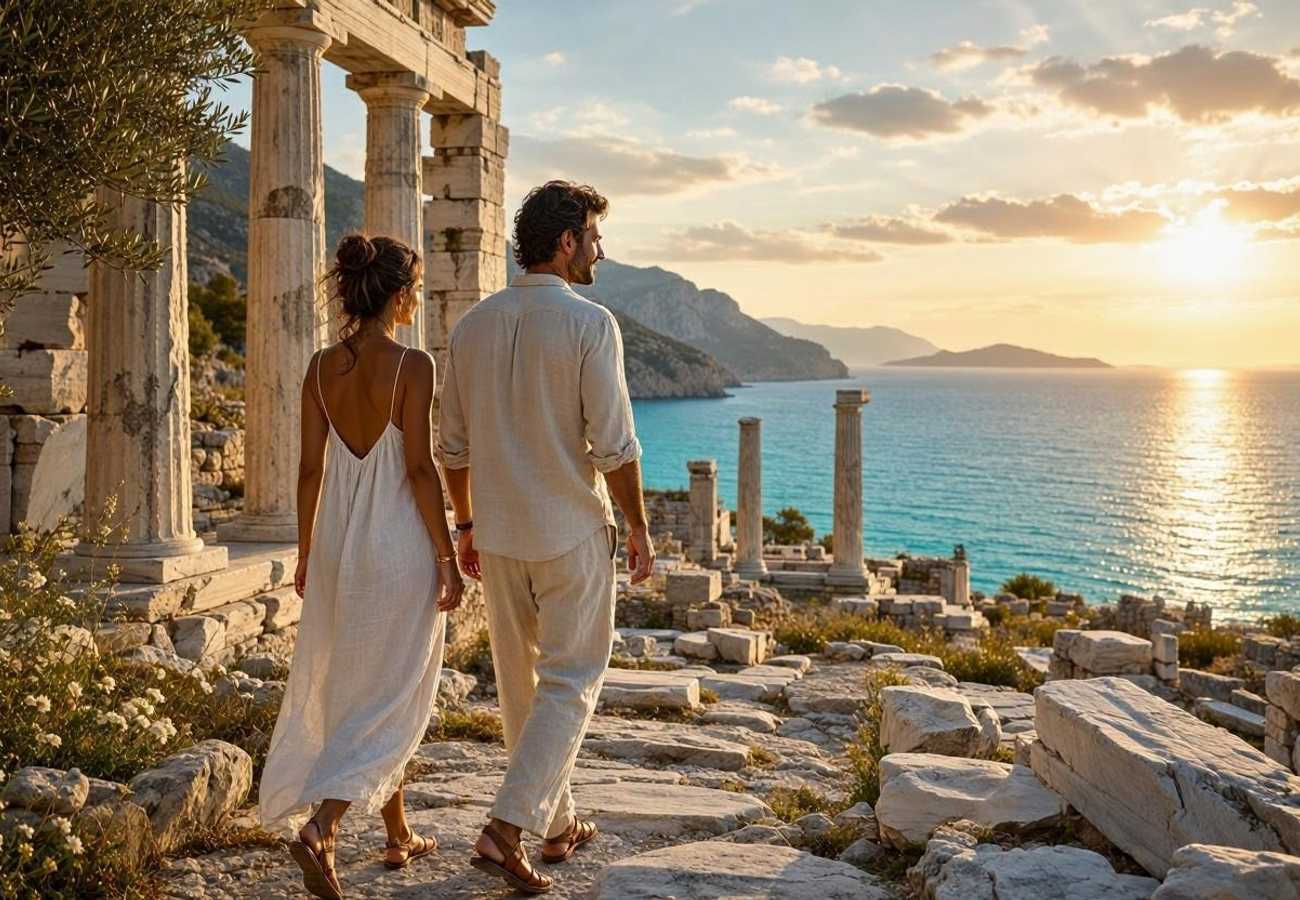
Greece Advances Health and Wellness Thermal Tourism Framework Under Recovery and Resilience Facility Subproject SUB3

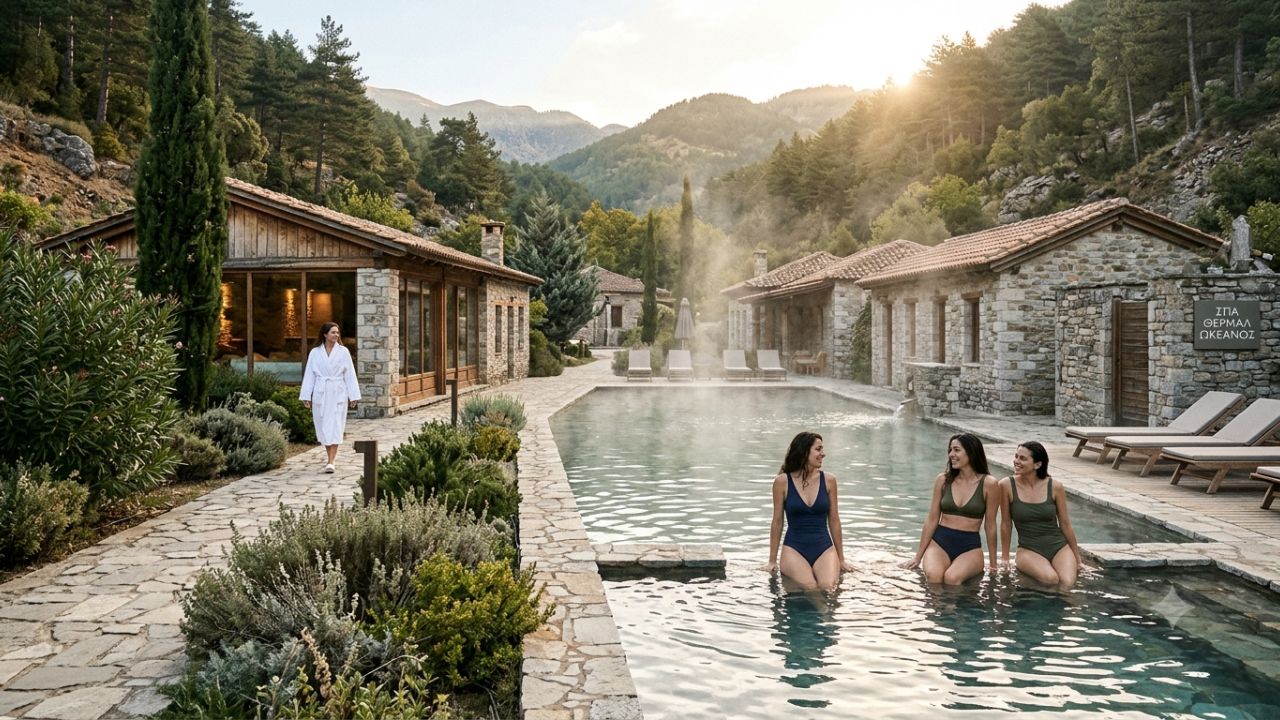
The Greek Ministry of Tourism has issued a formal administrative decision advancing the state-backed modernisation of thermal tourism infrastructure and the creation of new hydrotherapy facilities under Subproject SUB3 of the national Recovery and Resilience Facility.
Published under official administrative circulars on 10 November 2026, the ministerial decision establishes updated regulatory and procedural mechanisms for municipal authorities and private developers seeking to utilize Greece’s recognized mineral and thermal spring resources. Titled "Health and Wellness Tourism Through the Utilisation of Thermal Springs," Subproject SUB3 forms a dedicated pillar of Action 16931, the central "Tourism Development" initiative financed through the European Union’s NextGenerationEU recovery framework. The initiative is designed to transition the Hellenic Republic away from an over-reliance on seasonal summer beach travel by establishing year-round health, balneotherapy, and wellness corridors across mainland and island destinations.
While the publication confirms sustained regulatory momentum within the national investment program, tourism authorities emphasized that the administrative decision constitutes a procedural milestone rather than an announcement of completed spa resorts, newly awarded capital grants, or immediate commercial openings.
Administrative Milestones in Greece's Health and Wellness Tourism Strategy
Greece possesses more than 700 natural mineral and thermal spring occurrences across its mainland and Aegean territories, of which scores have received official recognition from the state for therapeutic and wellness qualities. Historically celebrated since antiquity by figures such as Hippocrates and Aristotle, many of the country's public bathhouses and municipal hydrotherapy centres have suffered from decades of under-investment, outdated hydraulic equipment, and fragmented licensing procedures.
The 10 November 2026 ministerial publication represents an ongoing effort by the Greek Ministry of Tourism to formalize the governance structure overseeing thermal facility upgrades. Rather than treating thermal spas as standalone municipal baths, the government’s Recovery and Resilience Facility (RRF) framework integrates them into a holistic visitor economy model.
| Official Programme Dimension | Established Regulatory Specification | Administrative and Operational Context |
|---|---|---|
| Responsible Authority | Greek Ministry of Tourism | National executive body governing tourism development |
| Latest Publication Date | 10 November 2026 | Official administrative decision published under national registry |
| Overarching Development Plan | Recovery and Resilience Facility (RRF) | National economic transformation funded by NextGenerationEU |
| Primary National Action | Action 16931 – Tourism Development | Strategic multi-sector umbrella program for Greek tourism assets |
| Dedicated Component | Subproject SUB3 | Health and Wellness Tourism Through the Utilisation of Thermal Springs |
| Eligible Physical Works (Upgrades) | Modernising existing thermal facilities | Upgrading hydraulic, architectural, and guest amenities |
| Eligible Physical Works (New Sites) | Creating brand-new thermal installations | Ground-up construction of licensed hydrotherapy infrastructure |
| Primary Economic Objective | Diversifying national tourism models | Creating alternative travel products beyond traditional beach resorts |
| Seasonal Strategic Target | Extending the operating season | Generating autumn, winter, and spring visitor arrivals |
| New Funding Amount in Notice | Not established | Document contains procedural updates; no fresh capital sums cited |
| Newly Named Beneficiaries | Not established | Individual municipal or private awardees require separate decrees |
| Facility Opening Schedules | Not established | Construction timelines depend on individual project permits |
| Confirmed Completed Sites | Not established | Notice does not establish operational readiness of specific spas |
A vital journalistic distinction must be maintained when evaluating this announcement: the ministerial decision functions as an administrative steering mechanism within the pre-existing RRF budget allocation. It sets implementation conditions, environmental criteria, and procedural compliance rules, but does not allocate additional funds beyond the established envelope, nor does it confirm that any single spa facility has completed construction.
The Dual Infrastructure Mandate of Subproject SUB3
Subproject SUB3 is structured around two distinct operational pathways designed to accommodate both historic spa towns and modern private hospitality ventures.
1. Modernisation of Existing Thermal Facilities
Greece contains numerous municipal and regional thermal spring operations that have operated for generations, such as those in Aidipsos on the island of Evia, Kamena Vourla in Central Greece, Loutraki in the Peloponnese, and Ikaria in the Eastern Aegean. Many of these heritage installations require significant structural remediation, including:
- Replacement of corroded piping, pumps, and mineral water delivery conduits.
- Installation of energy-efficient heating and water filtration systems.
- Upgrading guest changing areas, hydrotherapy pools, and private immersion tubs to modern European accessibility and hygiene benchmarks.
- Digitalization of appointment scheduling, capacity monitoring, and energy management.
2. Establishment of New Thermal Tourism Infrastructure
Recognizing that private hospitality operators increasingly seek to integrate natural hot springs into upscale boutique hotels, wellness resorts, and medical spa retreats, Subproject SUB3 also provides an administrative pathway for newly built installations. This provision allows approved developers to establish modern balneotherapy pavilions, sensory relaxation pools, and specialized wellness clinics directly adjacent to certified spring sources, expanding the physical capacity of the Greek spa sector.
Seasonal De-Concentration: Transitioning Away from the Summer Bottleneck
A fundamental structural challenge facing the Greek tourism economy is extreme seasonality. Approximately 70% of total annual international visitor arrivals and tourism revenues are concentrated in the four-month window between June and September. This hyper-concentration strains island infrastructure, creates localized water scarcity, inflates seasonal living expenses for local residents, and leaves hotel assets dormant for half the calendar year.
Thermal tourism represents an ideal counterweight to seasonal volatility. Unlike coastal beach holidays that require high sea temperatures and cloudless summer skies, the appeal of natural hot mineral springs increases significantly during cooler weather.
Thermal springs operate under stable geothermal temperatures year-round, making them natural anchors for travel in late autumn, winter, and early spring. By promoting thermal destinations across the Peloponnese, Central Greece, Epirus, and Macedonia, the Ministry of Tourism aims to:
- Generate steady hotel occupancy during traditional low-season months (November through April).
- Retain hospitality employment year-round, replacing precarious short-term summer seasonal contracts with permanent positions.
- Direct international tourist spending inland to mountainous and rural municipalities that do not possess sandy beaches or maritime cruise ports.
However, the Ministry of Tourism has not released quantified projections indicating how many additional international or domestic tourists this specific administrative decision will generate. Tangible impacts on seasonal passenger distribution will depend entirely on the speed with which local municipalities and private investors complete licensed construction projects.
Wellness Versus Medical Claims: Navigating Regulatory Classifications
In evaluating Greece's thermal tourism strategy, a clear legal distinction exists between wellness-oriented hospitality services and regulated medical treatment.
Under Greek public health and tourism law, thermal springs are categorized as natural healing resources (iamatikoi poroi). However, the Ministry of Tourism’s development program focuses strictly on the tourism, relaxation, and wellness dimensions of balneotherapy.
| Travel and Service Category | Core Operational Focus | Legal Regulatory Scope | Target Passenger Demographic |
|---|---|---|---|
| Thermal Wellness Tourism | Stress reduction, hydro-massage, thermal pool bathing, and relaxation | Regulated under Greek Ministry of Tourism hospitality standards | General leisure travelers, couples, retirees, and wellness tourists |
| Complementary Balneotherapy | Soaking in mineral waters containing sulfur, radon, or saline compounds | Governed by certified thermal spring operational licenses | Visitors seeking temporary relief from joint stiffness and muscle tension |
| Regulated Medical Healthcare | Clinical diagnostics, orthopedic rehabilitation, and prescription therapies | Governed by the Ministry of Health and national medical boards | Patients requiring documented medical supervision and hospital care |
Subproject SUB3 promotes thermal resources as an asset for general wellbeing, relaxation, and physical recuperation. It does not constitute an official governmental endorsement that thermal spring waters can cure chronic diseases, substitute for clinical pharmaceuticals, or replace professional healthcare services. Marketing materials issued by licensed operators must comply with European consumer protection directives, avoiding unsubstantiated medical claims while highlighting the natural, restorative qualities of mineral-rich spring baths.
Integration Within Action 16931: The Multi-Pillar National Blueprint
Subproject SUB3 does not operate in isolation; it functions as a specialized branch of Action 16931, "Tourism Development," one of the flagship investment portfolios in Greece’s national recovery plan.
Action 16931 is designed to modernize the Hellenic Republic’s entire recreational tourism portfolio through targeted interventions across distinct geographic terrains.
| Component Action / Subproject | Core Focus Area | Targeted Infrastructure Upgrades | Primary Strategic Benefit |
|---|---|---|---|
| Mountain Tourism | Alpine and winter sports | Modernizing ski lifts, mountain refuges, and marked hiking paths | Developing winter alpine tourism beyond summer islands |
| Health & Thermal Tourism (SUB3) | Natural healing springs | Upgrading public bathhouses and building private wellness spas | Year-round relaxation and regional economic de-concentration |
| Agritourism & Gastronomy | Food culture and rural stays | Connecting organic farms, olive mills, and vineyards with visitors | Retaining agricultural youth and promoting culinary heritage |
| Tourist Marinas & Ports | Nautical infrastructure | Safe mooring, shore power, and digital check-in at leisure harbors | Expanding high-yield yachting and sailing across Greek archipelagos |
| Accessible Beaches (SeaAccess) | Universal mobility | Installing solar-powered tracked ramps for disabled swimmers | Enhancing social accessibility across hundreds of public coasts |
| Diving & Marine Parks | Underwater recreation | Establishing underwater archaeological parks and diving reserves | Protecting marine biodiversity while attracting diving enthusiasts |
Because each subproject under Action 16931 possesses its own distinct administrative framework, budget ceiling, and tender guidelines, regulatory progress in SUB3 does not imply parallel changes in mountain tourism, marina developments, or agritourism grants.
Practical Guidance for Tourism Municipalities and Private Investors
For local municipal enterprises, regional development agencies, and private hospitality investors, the 10 November 2026 decision provides formal clarity on the operational criteria required to participate in RRF-funded thermal tourism projects.
Entities managing thermal spring concessions or seeking to develop wellness facilities must adhere to strict administrative benchmarks:
| Project Phase | Mandatory Administrative Benchmark | Practical Compliance Requirement |
|---|---|---|
| 1. Resource Recognition | Official Natural Spring Certification | Must hold formal recognition of the spring from the Ministry of Tourism |
| 2. Environmental Approval | Approved Environmental Impact Study (AEPO) | Must guarantee water table protection and ecological wastewater disposal |
| 3. Special Operating Seal | Valid Special Operating License (ESL) | Bathhouses must obtain sanitary and technical operating approval |
| 4. Architectural Permitting | Certified Engineering and Architectural Plans | Designs must meet European accessibility norms and seismic codes |
| 5. Milestone Verification | Independent Engineering Audits | Grant disbursements depend on strictly verified construction milestones |
Prospective developers and municipal leaders must consult the full legal text of the ministerial circular to verify specific deadlines, co-financing requirements, and technical documentation formats. Misinterpreting general policy announcements as automatic grant awards can lead to substantial financial risk.
Strategic Long-Term Outlook for Greek Spa Destinations
The advancement of Subproject SUB3 aligns Greece with broader European trends in preventive healthcare, active aging, and thermal wellness. Across nations such as Germany, Austria, France, and Italy, thermal spa towns represent mature, multi-billion-euro tourism ecosystems supported by domestic and international wellness travelers.
Greece possesses natural geothermal advantages, combining high-mineral water chemistry with a mild Mediterranean climate, renowned Mediterranean gastronomy, and deep archaeological heritage. If municipal and private developers successfully convert the administrative framework established on 10 November 2026 into tangible, high-quality hydrotherapy facilities, Greece will strengthen its standing as an authentic, year-round European wellness destination.
Frequently Asked Questions
What did the Greek Ministry of Tourism announce on 10 November 2026?
The ministry published an administrative decision advancing Subproject SUB3, "Health and Wellness Tourism Through the Utilisation of Thermal Springs," under Action 16931 of the national Recovery and Resilience Facility, governing the upgrade and creation of thermal tourism facilities.
Does this decision confirm new funding awards or resort openings?
No. The announcement represents a formal regulatory and administrative step. It does not establish newly awarded funding totals, specific municipal beneficiaries, completed construction projects, or opening dates for individual spa resorts.
How does thermal tourism help Greece's seasonal travel economy?
Because natural thermal springs maintain consistent temperatures throughout the year, thermal wellness tourism is not weather-dependent, attracting travelers during autumn, winter, and spring to reduce over-reliance on peak summer coastal travel.
Are thermal tourism treatments considered medical healthcare in Greece?
No. The Ministry of Tourism’s program focuses on health, relaxation, and wellness tourism. Balneotherapy and thermal bathing are promoted for general wellbeing and physical recuperation, not as clinical medical treatments or pharmaceutical substitutes.
Related Travel Guides
This article is for informational purposes. Flight routes, passenger regulations, visa rules, and transit advisories are subject to change by airlines and aviation authorities. Readers are advised to verify schedules and travel documentation with relevant carriers and border agencies before departure.
Related Stories
Germany and Key European Markets Propel Greek Tourism to €18.2B as Mykonos and Cyclades Face Infrastructure Reckoning
Greece Crowned Top Family Holiday Destination at UK Travel Awards: How British Arrivals Reached 4.89M as Travel Receipts Hit €3.74B