
Moscow Vnukovo and Domodedovo Airports Face Intermittent Flight Restrictions and Airspace Closures Due to Drone Alerts in 2026
Vnukovo and Domodedovo airports are experiencing temporary airspace closures and flight restrictions following regional drone alerts, impacting domestic and international transit through Moscow.

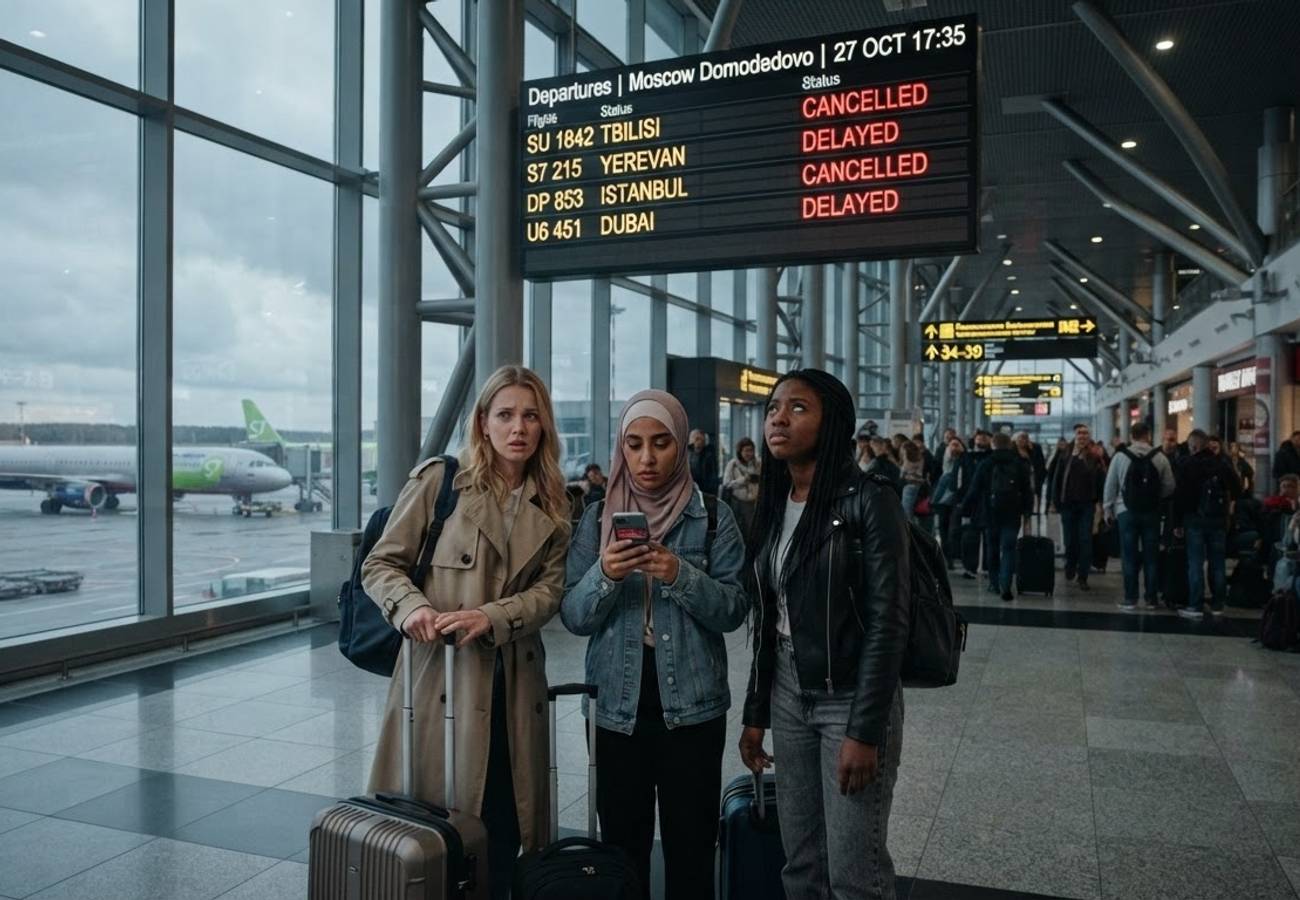
Image generated by AI
Moscow’s primary aviation hubs are currently operating under enhanced safety protocols, resulting in periodic airspace closures and flight suspensions triggered by regional drone alerts.
Aviation authorities have implemented a series of temporary operational restrictions affecting arrivals and departures at major gateways in the Russian capital. While commercial flight operations remain active, the activation of safety measures leads to short-term suspensions to allow for airspace security assessments.
Operational Impact and Airport Breakdown
Flight tracking systems and airport reports indicate that the disruptions are not permanent but occur intermittently, creating a volatile schedule for passengers.
- Vnukovo International Airport: Experiencing periodic operational restrictions and temporary suspensions of arrivals and departures.
- Domodedovo International Airport: Subject to intermittent airspace closures and revised departure sequencing.
- Domestic Route Disruptions: Significant impact on passengers connecting through Moscow to Siberia, the Far East, and the Black Sea region.
- International Transit: Flights to Asia, the Middle East, and neighboring countries are seeing revised timetables and adjusted aircraft movements.
The duration of these closures varies based on the specific security evaluation and the time required for authorities to clear the airspace of detected drone activity.
Passenger Rights & Advisory (Information Gain)
Travelers operating within this region must navigate a complex regulatory environment. Unlike EU or US jurisdictions, Russian aviation law governs these disruptions, but general international standards for passenger care apply.
Rebooking and Refunds If a flight is cancelled or significantly delayed due to these security measures, passengers are entitled to:
- Re-routing: Airlines must offer the earliest available flight to the destination.
- Full Refund: If the flight is cancelled, passengers may request a full refund of the ticket price if an alternative flight is not acceptable.
- Flight Status Verification: Passengers should not rely on original itineraries. Verify status via the airline's mobile app or the official airport communication channel at least 4 hours before departure.
Care and Assistance Depending on the length of the delay, passengers are typically entitled to:
- Communication: Access to phone calls or email.
- Refreshments: Food and drink vouchers proportional to the wait time.
- Accommodation: Hotel vouchers if the delay necessitates an overnight stay, though this is often subject to the airline's specific tariff and policy.
Insurance Claims Passengers are advised to document all delays. Request a written statement from the airline confirming the "extraordinary circumstance" (drone alert/airspace closure) to support travel insurance claims for missed connections or additional hotel costs.
Industry Analyst View
From an operational standpoint, the intermittent nature of these closures presents a significant challenge for crew scheduling and aircraft rotation. When a hub like Domodedovo suspends operations for even a short window, it creates a "ripple effect" across the entire domestic network.
Carriers are forced to implement rapid schedule adjustments, often resulting in aircraft remaining grounded longer than necessary to ensure a safety buffer. The reliance on real-time monitoring and SMS alerts is currently the only viable method for managing passenger flow and preventing terminal congestion during these unpredictable security events.
Travelers are urged to maintain flexible itineraries and keep contact details updated in booking systems to receive immediate operational notifications.
Related Travel Guides
Disclaimer
This article is for informational and educational purposes only. It does not constitute legal, financial, or professional advice. While we strive to provide accurate and up-to-date information, travel policies, regulations, and conditions change rapidly. Always verify information with official sources before making travel decisions. Nomad Lawyer makes no representations about the accuracy, reliability, completeness, or suitability of the information provided. Readers should consult qualified professionals for advice specific to their circumstances. The views expressed in this article are those of the author and do not necessarily reflect the views of Nomad Lawyer.
Kunal K Choudhary
Co-Founder & Contributor
A passionate traveller and tech enthusiast. Kunal contributes to the vision and growth of Nomad Lawyer, bringing fresh perspectives and driving the community forward.
Learn more about our team →