
Global Slow Food Movement Transforms Sustainable Culinary Tourism
The slow food movement has expanded across 160 countries, driving a culinary travel trend that supports agricultural heritage.
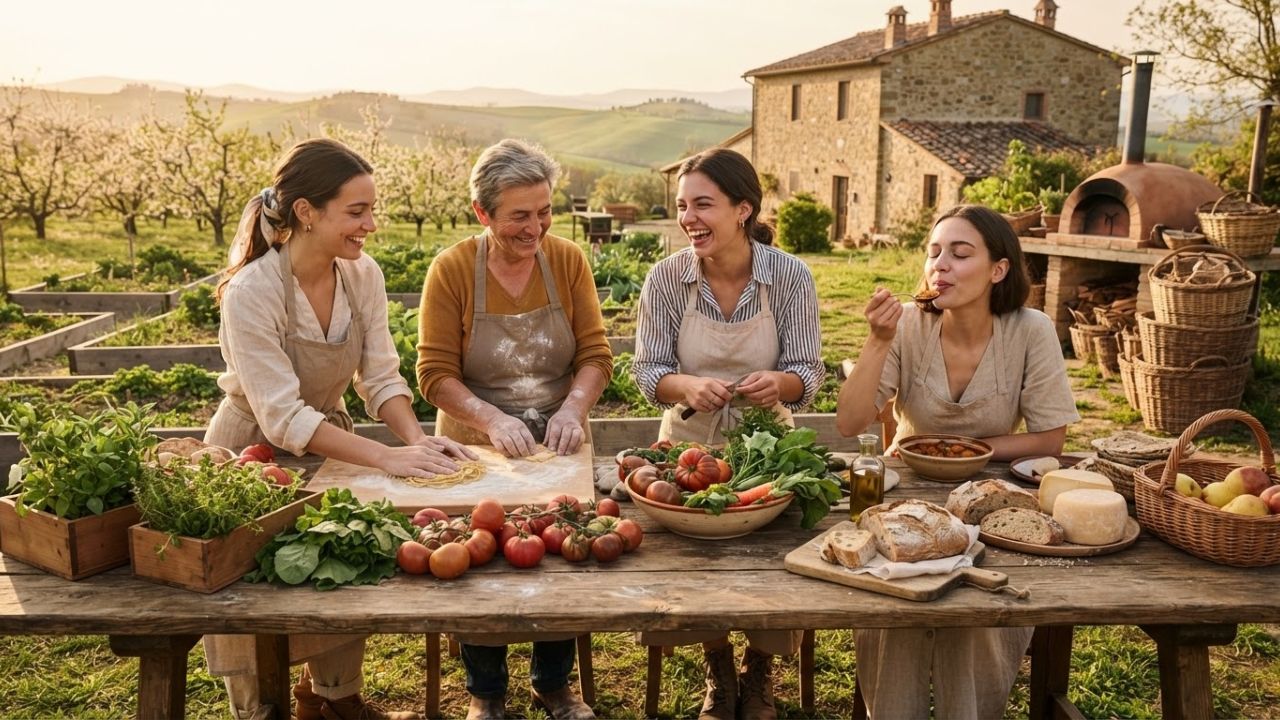
Image generated by AI
Encompassing over 160 countries and promoting localized agricultural preservation, the global Slow Food movement is transforming culinary travel into a tool for regional economic development.
The Core Transit Update
Regional culinary trails and local agricultural logistics networks are integrating with international tourism strategies to mitigate urban overtourism. According to data published by the Food and Agriculture Organization (FAO), localized food systems are increasingly recognized as vital components of biodiversity conservation.
By prioritizing three core pillars—good, clean, and fair food—the Slow Food movement redirects traveler footprint away from crowded city centers to rural farming zones. This shift is highlighted by culinary transit corridors focused on heritage grains in the Andean highlands, ancient olive oil groves in the Peloponnese, and artisanal cheese-making cooperatives in the Swiss Alps.
Slow Food Pillars & Gastronomy Trails
Planning a culinary-focused itinerary requires tracking regional food preservation registries and identifying local producer cooperatives. The following tables outline the core pillars of the slow food movement and evaluate active gastronomy trails.
| Slow Food Core Pillar | Stated Definition & Environmental Requirement | Strategic Tourism Integration Role |
|---|---|---|
| Good Food | Flavorful, seasonal, and deeply rooted in culture | Replaces generic hospitality menu products |
| Clean Food | Production must not harm ecosystems or health | Promotes agricultural biodiversity and stewardship |
| Fair Food | Accessible prices paired with fair producer pay | Supports small-scale farmers and rural guesthouses |
Three core pillars of the slow food movement in modern travel.
| Featured Culinary Trail | Region / Geography | Featured Indigenous Sourcing | Stated Regional Economic Impact |
|---|---|---|---|
| Swiss Alps Cooperatives | Switzerland | Artisanal mountain cheese | Retains value in small alpine communities |
| Peloponnese Groves | Greece | Ancient traditional olive oils | Protects family-owned groves from depopulation |
| Andean Highlands | South America | Heirloom grains and potatoes | Revitalizes indigenous farming techniques |
Examples of regional gastronomy trails decentralizing visitor traffic.
Traveler Logistics Guide
From a ground-level perspective, the best way to navigate this is to consult the Ark of Taste catalog (managed by the Slow Food Foundation for Biodiversity) when planning your dining stops, as this database lists endangered local ingredients, guiding you to restaurants and farm-to-table chefs that actively support small-scale indigenous farmers. Checking producer opening hours is recommended.
To plan your culinary journey:
- Allow Safe Transit Windows: Rural gastronomy trails are located outside primary transit corridors. Allow extra time when driving or taking regional buses to mountain cooperatives or vineyard estates.
- Observe Local Dining Etiquettes: Authentic farm-to-table dining emphasizes seasonal ingredients. Do not expect year-round availability of specific crops; respect the natural harvesting calendar.
- Support Local Sourcing Directly: Buy products (like cheeses, grains, or oils) directly from the farm gates or local community markets, ensuring that 100 per cent of your spending remains in the community.
- Verify Regional Accommodation: Book guesthouses run by farming families, combining your culinary exploration with support for rural hospitality services.
Infrastructure Impact Assessment
The coordination of agricultural tourism routes and the promotion of biodiversity conservation protect rural economies from depopulation.
By directing traveler spending to family-owned vineyards, native grain mills, and local cheese cellars, the culinary travel shift supports formal service-sector jobs, funds the restoration of historic farming terraces, and balances the economic footprint away from major metropolitan centers.
Related Travel Guides
Disclaimer
This article is for informational and educational purposes only. It does not constitute legal, financial, or professional advice. While we strive to provide accurate and up-to-date information, travel policies, regulations, and conditions change rapidly. Always verify information with official sources before making travel decisions. Nomad Lawyer makes no representations about the accuracy, reliability, completeness, or suitability of the information provided. Readers should consult qualified professionals for advice specific to their circumstances. The views expressed in this article are those of the author and do not necessarily reflect the views of Nomad Lawyer.