
Georgia Rural Tourism Surge: Chinese Travelers Pivot to Stepantsminda and Svaneti Villages in 2026
Chinese travelers are abandoning traditional urban hubs like Tbilisi for authentic rural experiences in Stepantsminda and Upper Svaneti, driven by visa-friendly policies and a demand for high-altitude cultural heritage in 2026.

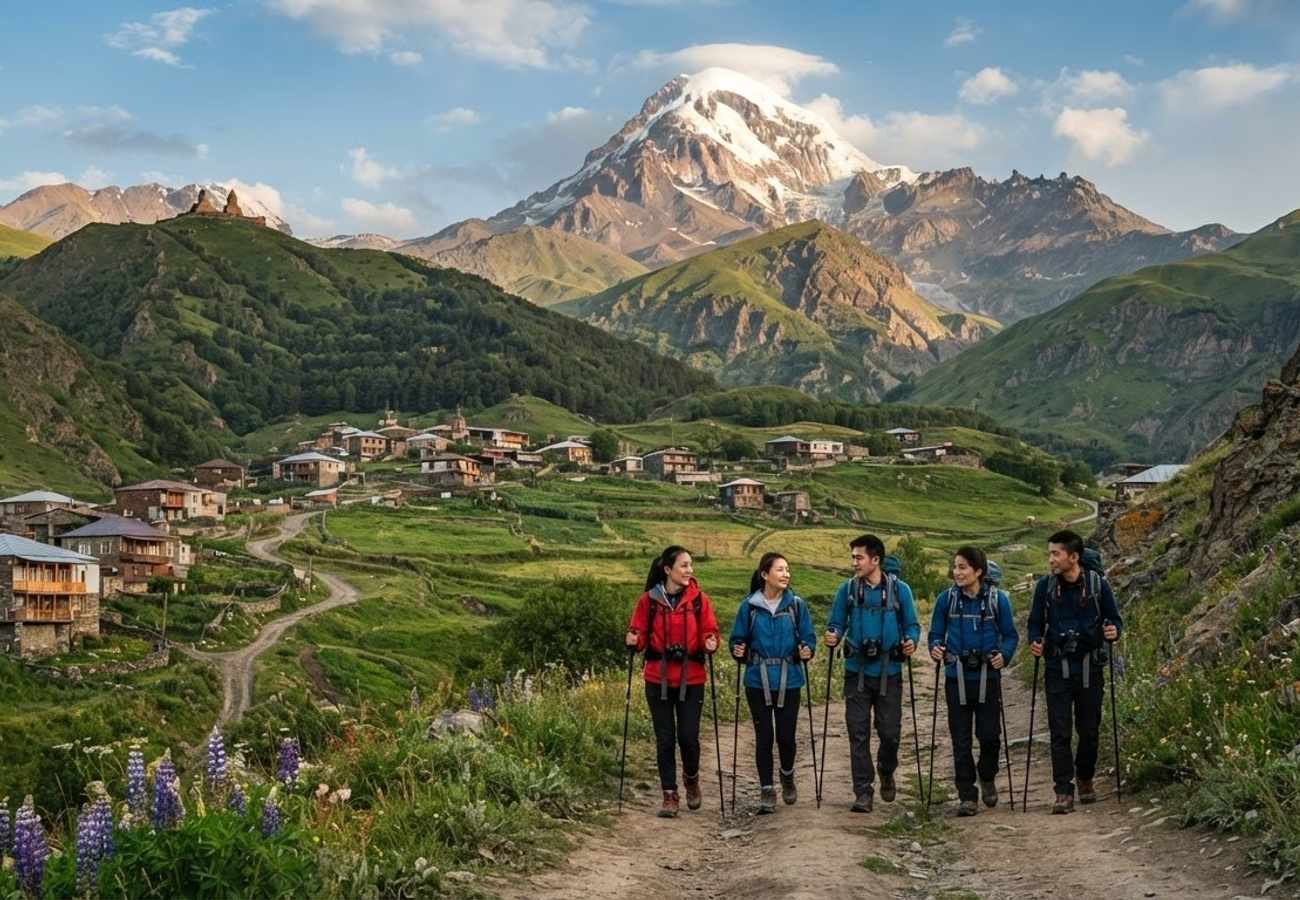
Image generated by AI
Zero traditional city-center itineraries are remaining untouched as Chinese travelers aggressively pivot toward the rural hinterlands of Georgia in 2026. This shift marks a decisive departure from the urban-centric tourism models of the past decade, with visitors now bypassing the standard Tbilisi and Batumi circuit in favor of high-altitude settlements, viticulture hubs, and heritage communities. The movement is underpinned by a systemic change in Chinese outbound travel preferences, where "meaningful experiences" and "visual storytelling" now outweigh the prestige of checklist sightseeing.
The Geographic Pivot Toward the Caucasus Hinterlands
The migration of tourist traffic from Georgia's coastal and capital cities to its rugged interior is not accidental. It is the result of a convergence between liberalized visa conditions and a sophisticated digital appetite for "untouched" destinations. The Georgian National Tourism Administration has identified a surge in interest across four primary regions: Mtskheta-Mtianeti, Kakheti, Samegrelo-Upper Svaneti, and Samtskhe-Javakheti.
This trend is particularly evident among younger Chinese demographics who utilize social media to curate personalized, off-the-beaten-path journeys. By leveraging the Georgian National Tourism Administration resources and digital platforms, these travelers are identifying niche locations that offer high aesthetic value—such as the medieval towers of Svaneti or the alpine vistas of Kazbegi—which translate well into digital content.
Rural Destination Breakdown and Seasonal Windows
The diversification of the Chinese travel market in Georgia has created a tiered system of rural attractions, each serving a different psychological driver—from wellness and gastronomy to extreme adventure.
| Village / Destination | Region | Primary Driver for Chinese Visitors | Core Experience | Optimal Window |
|---|---|---|---|---|
| Stepantsminda | Mtskheta-Mtianeti | Photography & Landscapes | Gergeti Trinity Church & Mt. Kazbek | May–Oct / Winter |
| Mestia | Samegrelo-Upper Svaneti | Remote Heritage | Svan Towers & Glaciers | June–Sept |
| Ushguli | Samegrelo-Upper Svaneti | Ancient Traditions | Medieval towers & alpine hiking | June–Sept |
| Sighnaghi | Kakheti | Viticulture & Romance | Vineyards & Old City Walls | April–Oct |
| Telavi | Kakheti | Gastronomy & Lifestyle | Family estates & rural markets | Sept–Nov |
| Mtskheta Areas | Mtskheta-Mtianeti | Religious Heritage | UNESCO sites & ancient crafts | Year-round |
| Gudauri Villages | Mtskheta-Mtianeti | Winter Sports | Skiing & scenic mountain drives | Dec–March |
| Borjomi Countryside | Samtskhe-Javakheti | Wellness & Health | Mineral springs & forest retreats | Spring–Autumn |
| Khevsureti | Mtskheta-Mtianeti | Niche Adventure | Fortified stone villages | June–Sept |
| Racha Villages | Racha-Lechkhumi | Eco-tourism | Peaceful escapes & vineyards | May–Oct |
Expert Analysis: The Economics of Authenticity
For the modern traveler, the shift toward villages like Stepantsminda and Mestia represents a move toward "experiential capital." In the context of Chinese outbound travel, Georgia is no longer just a transit point or a budget alternative to Western Europe; it is being positioned as a sanctuary of authenticity.
The direct consequence for travelers booking these routes is a transition from hotel-based stays to family-run guesthouses. This decentralization of spending is pumping capital directly into rural economies, which in turn is accelerating the development of boutique infrastructure. We are seeing a cause-and-effect loop: as more Chinese travelers demand "authentic" stays, the local infrastructure improves, which then attracts a broader international demographic.
Furthermore, the pricing pressure is shifting. While urban hotels in Tbilisi may see stabilized growth, the premium is now being placed on "exclusive" rural access. For those visiting the UNESCO World Heritage sites in Upper Svaneti, the value is no longer in the luxury of the room, but in the remoteness of the location. The rise of the "digital nomad" influence among Chinese youth means that connectivity in these remote villages is becoming a primary competitive advantage for local guesthouse owners.
Key Takeaways
- Urban De-emphasis: Chinese tourists are actively diversifying their itineraries to include rural regions like Kakheti and Samegrelo-Upper Svaneti, reducing reliance on Tbilisi and Batumi.
- Visual-Driven Planning: The popularity of Stepantsminda is heavily tied to its "Instagrammable" qualities, specifically the juxtaposition of Gergeti Trinity Church against Mount Kazbek.
- Seasonal Specialization: Travel windows are strictly delineated, with Svaneti peaking from June to September and Kakheti's wine regions seeing a surge during the September–November harvest.
- Infrastructure Evolution: There is a marked increase in boutique accommodations and guesthouses in the mountains to accommodate the specific needs of high-spending international cultural explorers.
- Heritage Value: The UNESCO-listed identity of Upper Svaneti remains the primary draw for those seeking ancient traditions and medieval architecture.
FAQ: Georgia Rural Travel 2026
Is it easy to visit Stepantsminda from Tbilisi? Yes, Stepantsminda is highly accessible from the capital, making it a primary choice for travelers who want mountain scenery without extensive transit times. It is often the first rural stop for most international itineraries.
What is the best time to visit the wine villages of Kakheti? The optimal period is September to November. This coincides with the grape harvest, allowing visitors to experience authentic wine production and local gastronomy at its peak.
Are the remote villages of Svaneti accessible for non-hikers? While Mestia is the main gateway with better infrastructure, Ushguli remains more remote. However, improved local transport and 4x4 services have made these medieval settlements accessible to those not pursuing rigorous trekking.
Do I need a special permit to visit Khevsureti or Racha? Generally, no special permits are required for tourists, but these regions are more remote. It is recommended to use local guides to navigate the stone villages and traditional communities.
The Georgian highlands are no longer a hidden secret, but a primary destination for a new era of culturally hungry global travelers.
Related Travel Guides
Disclaimer
This article is for informational and educational purposes only. It does not constitute legal, financial, or professional advice. While we strive to provide accurate and up-to-date information, travel policies, regulations, and conditions change rapidly. Always verify information with official sources before making travel decisions. Nomad Lawyer makes no representations about the accuracy, reliability, completeness, or suitability of the information provided. Readers should consult qualified professionals for advice specific to their circumstances. The views expressed in this article are those of the author and do not necessarily reflect the views of Nomad Lawyer.
Naina Thakur
Contributor & Travel Specialist
Travel enthusiast and legal writer covering visa regulations, responsible tourism, and cultural journeys across global destinations.
Learn more about our team →