
Georgia Leads Long-Stay Tourism Revolution: The Rise of Extended Slow Travel
Flexible visa policies allow travelers to spend up to one year in Georgia, establishing it as a global leader in the long-stay slow travel movement.

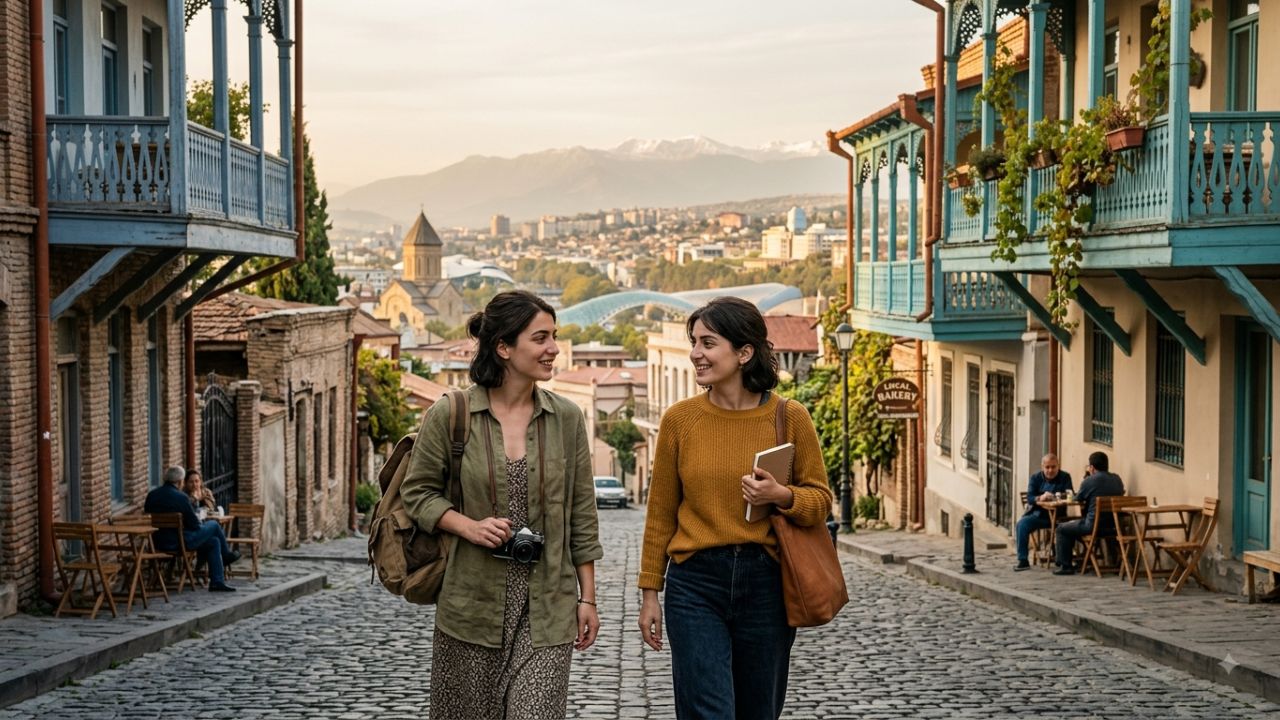
Image generated by AI
With flexible entry rules allowing eligible travelers to remain for up to one year, Georgia is emerging as a global leader in the long-stay tourism movement. This shift toward extended slow travel is transforming how visitors engage with local communities, moving away from rushed sightseeing to support regional economies.
The global tourism industry is undergoing a major transformation as travelers increasingly choose longer stays over traditional short-duration holidays. Extended visitor options are allowing eligible tourists to explore new regions for several months at a relaxed, immersive pace. This behavior reflects a growing consumer demand for meaningful connections, travel flexibility, and local cultural experiences. Governments and destination management organizations are actively encouraging this trend, recognizing the significant economic value of long-stay visitors who spend more on regional hospitality, local transport, dining, and community activities.
For the traveler, the real impact of this trend is the ability to build deeper relationships with host communities and experience local lifestyles firsthand. This slow travel approach helps distribute tourism spending more evenly, supporting family-run businesses and independent operators located far from overcrowded tourist centers. This travel realignment helps decentralize tourism, distributing international spending into regional communities. By spending several months in a single region, long-stay visitors help reduce the seasonal peaks and valleys that often strain local resources, establishing a more balanced and sustainable tourism economy.
Global Leaders in the Long-Stay Movement: Visa Rules and Destinations
Several countries are positioning themselves to attract extended-stay travelers by introducing flexible visitor policies and simplified entry requirements. Georgia has emerged as a primary destination for long-duration travel, offering eligible citizens the opportunity to remain in the country for up to one year visa-free. Located at the intersection of Europe and Asia, the country provides travelers with access to ancient historical sites, dramatic mountain terrains, and vibrant cultural traditions. Tbilisi, the capital, supports remote workers and digital nomads through a growing network of co-working spaces and high-speed fiber internet. Long-stay visitors can spend months exploring the historic neighborhoods of Tbilisi, volunteering in the traditional wine-producing region of Kakheti—especially the hilltop town of Sighnaghi—hiking the high-altitude trails of Stepantsminda under the shadow of Mount Kazbek (5,054 meters), or relaxing along the Black Sea coast.
The United Kingdom continues to attract extended-stay tourists by allowing eligible international visitors to remain in the country for up to six months under the standard visitor visa system. This extended timeframe allows travelers to move past the famous landmarks of London to explore the scenic highlands of Scotland, the coastal scenery of Wales, and the quiet villages of the English countryside. Similarly, Canada allows eligible international visitors to stay for up to six months per entry. Given the country's vast geographic scale, this long duration is essential for travelers who want to explore national parks, the Rocky Mountains, and multicultural cities like Vancouver, Toronto, and Montreal without rushing their journeys.
Mexico remains a highly popular choice for extended holidays, offering eligible visitors the opportunity to stay for up to 180 days under standard entry arrangements. This generous timeframe allows travelers to move beyond commercial beach resorts in Cancun and the Riviera Maya to experience the historic streets of Oaxaca, the archaeological monuments of the Yucatan Peninsula, the regional cuisine of Puebla, and the coastal topography of Baja California. By staying longer, visitors gain a deeper understanding of Mexico's diverse cultural traditions and support independent local operators.
Cultural Preservation and Community-First Tourism
The rise of long-duration travel is closely connected to the values of slow tourism and environmental stewardship. For the visitor, the real impact is a travel model that prioritizes local heritage preservation over quick photo opportunities. In Georgia, extended stays allow travelers to support traditional family-run wineries, known as maranis, which utilize the ancient Qvevri clay vessel winemaking method—recognized by UNESCO as an intangible cultural heritage. By purchasing wine directly from these small-scale producers and staying in local guesthouses, visitors help keep traditional crafts and agricultural practices economically viable.
In the United Kingdom and Canada, long-stay travelers are encouraged to practice low-impact outdoor recreation. By visiting national parks during off-peak times and staying in nearby gateway communities, tourists help support regional conservation efforts. In Georgia's Borjomi-Kharagauli National Park, one of the largest protected areas in Europe, long-stay visitors often participate in voluntary trail maintenance and wildlife monitoring, supporting local forestry departments. In Mexico, extended travel allows visitors to establish meaningful partnerships with indigenous craft cooperatives in Chiapas and Oaxaca. Purchasing textiles, pottery, and woodcarvings directly from local workshops ensures that the financial benefits of tourism flow directly to the creators, helping to sustain regional heritage and protect local economies from exploitation.
Destination Specialist Local Insider Tips
To help you plan an extended slow-travel journey safely and responsibly, regional destination specialists suggest the following insider recommendations:
- Align Your Stay with the Kakheti Grape Harvest (Rtveli): If visiting Georgia, spend September and October in the Kakheti region to participate in the traditional Rtveli grape harvest. It is a time of community feasting, traditional polyphonic singing, and hands-on winemaking.
- Respect Orthodox Church Etiquette in Georgia: When visiting historic monasteries and churches in Georgia, women must cover their heads and wear long skirts, while men must wear long trousers. Modest wrap-around skirts and headscarves are usually provided at the entrance for visitors.
- Master the Art of Eating Khinkali: When dining in Georgia, learn the cultural technique for eating Khinkali (spiced meat dumplings). Hold the dumpling by its thick dough handle, take a small bite from the side to sip the warm broth inside, and then eat the rest, leaving the dough handle on your plate to count how many you have consumed.
- Observe Supra Traditions and the Tamada: Georgians consider guests to be "gifts from God." If invited to a traditional feast (Supra), respect the role of the Tamada (toastmaster), who directs the evening's toasts. Avoid drinking your wine until a toast has been proposed and completed.
- Verify Regional Entry Documents and Insurance: Before embarking on an extended journey, confirm that your passport remains valid for at least six months beyond your planned departure date. Carry proof of financial resources, documented accommodation details, onward travel tickets, and comprehensive health insurance that covers long-duration stays.
Long-Term Outlook for Extended-Stay Travel
The long-term outlook for long-stay travel is positive, supported by the ongoing growth of remote work flexibility, lifestyle shifts, and experience-first consumer habits. Destinations that offer flexible visa rules, affordable living costs, modern digital infrastructure, and authentic cultural assets are well-positioned to attract this growing demographic of global travelers.
By choosing slower, more deliberate journeys, long-stay travelers contribute to the creation of a more sustainable and resilient international tourism industry. Continued collaboration between regional tourism boards, local communities, and national immigration departments will ensure that extended visitor programs protect local environments, preserve regional heritage, and provide meaningful economic benefits to host destinations for years to come. This evolution in visitor behavior positions slow-travel countries to lead the next decade of global tourism development.
Related Travel Guides
Disclaimer
This article is for informational and educational purposes only. It does not constitute legal, financial, or professional advice. While we strive to provide accurate and up-to-date information, travel policies, regulations, and conditions change rapidly. Always verify information with official sources before making travel decisions. Nomad Lawyer makes no representations about the accuracy, reliability, completeness, or suitability of the information provided. Readers should consult qualified professionals for advice specific to their circumstances. The views expressed in this article are those of the author and do not necessarily reflect the views of Nomad Lawyer.
Kunal K Choudhary
Co-Founder & Contributor
A passionate traveller and tech enthusiast. Kunal contributes to the vision and growth of Nomad Lawyer, bringing fresh perspectives and driving the community forward.
Learn more about our team →