
Bhopal Indore Greenfield Expressway: Madhya Pradesh Transport Corridor Transforms Regional Travel
The proposed Rs 4,000-crore six-lane Bhopal-Indore Greenfield Expressway will cut travel time to 2 hours, boosting connectivity ahead of Ujjain Simhastha 2028.

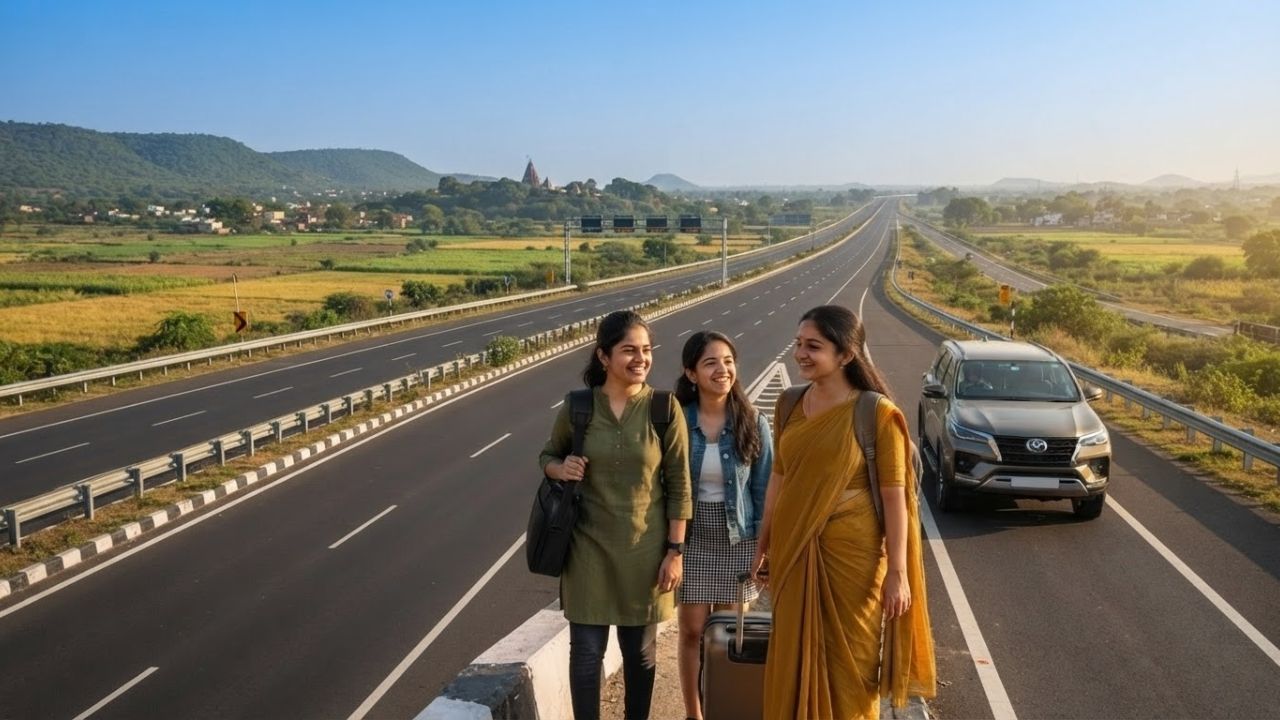
Image generated by AI
The proposed Rs 4,000-crore, six-lane Bhopal-Indore Greenfield Expressway will slash travel times between Madhya Pradesh's key metropolitan hubs from nearly four hours to just two to two-and-a-half hours.
The infrastructure framework in central India is undergoing a significant transition, driven by the need for faster transit times, lower cargo transport costs, and safer roads. The proposed Bhopal-Indore Greenfield Expressway represents a core element of this shift in Madhya Pradesh. Unlike standard road expansion projects that focus on widening existing corridors, regional planning authorities have chosen a completely new alignment.
By establishing a greenfield route, road developers can construct the highway through undeveloped rural lands, bypassing the heavy congestion, dense junctions, and residential build-ups that slow down travel on old arterial highways. For the visitor, the real impact is a transit experience that avoids the start-and-stop delays of local suburban traffic, allowing travelers to maintain consistent highway speeds while reducing vehicle wear and tear.
High-Speed Connectivity and Access-Controlled Corridor Design
The proposed corridor spans 160 kilometers and is designed as a six-lane, access-controlled highway. This access-control mechanism ensures that high-speed vehicles can travel without interruption from local agricultural traffic, roadside markets, and unregulated intersections.
By restricting entry and exit to designated toll plazas and cloverleaf interchanges, the expressway aims to improve safety standards and efficiency. Commuters, logistics companies, and tourist operators will benefit from the improved reliability of transport schedules. Reducing travel times between the state capital of Bhopal and the commercial center of Indore to approximately two to two-and-a-half hours makes daily business trips and weekend tourism highly practical, supporting a more integrated economy.
Regional Economic Growth Across Sehore and Dewas Districts
The benefits of the expressway project extend beyond the terminal cities of Bhopal and Indore, opening up economic opportunities for intermediate towns and rural districts along the alignment. The corridor is expected to improve access to major markets for agricultural producers and industrial areas in the Sehore and Dewas districts.
By linking local manufacturing centers directly to a high-speed transit artery, the project supports regional supply chains and lowers shipping costs. This improved logistics efficiency is likely to attract new industrial parks, warehousing facilities, and agro-processing businesses to areas along the route. Over time, this development will help spread tourism and commercial spending beyond major urban areas, creating jobs and supporting local communities.
Transport Readiness Ahead of the Ujjain Simhastha 2028 Pilgrimage
The development of the expressway has gained additional momentum due to the upcoming Simhastha festival scheduled in Ujjain in 2028. This mass religious gathering, held every 12 years on the banks of the sacred Shipra River, is one of the largest spiritual events globally, drawing millions of pilgrims and tourists from across India and around the world.
To handle the immense traffic surge, regional authorities are prioritizing road capacity upgrades. The Bhopal-Indore corridor will serve as a vital link, helping manage the flow of vehicles traveling from the state capital and central India toward Ujjain. By coordinating passenger movements and distributing traffic across high-capacity routes, the new expressway will help prevent delays during the festival, ensuring a safer and more comfortable journey for pilgrims.
Multimodal Links and Integration with the Delhi-Mumbai Expressway
A key value of the greenfield project is its integration with India's wider high-speed transport network. At the Indore end, the corridor is planned to connect with the Garoth-Indore expressway. This connection will link the region directly to the Delhi-Mumbai Expressway, allowing logistics operators and passenger vehicles from central India to reach northern and western commercial hubs more efficiently.
Additionally, the route is designed to connect with the planned Narmada Expressway near Sehore and Dewas, creating a unified east-west corridor across Madhya Pradesh. These links are complemented by another proposed project, the 255-kilometer Bhopal-Jabalpur greenfield expressway, which aims to cut transit times between those two cities by almost half. Together, these expressways will form a high-capacity road network across central India.
Advanced Highway Technologies and Safety Infrastructure
The Rs 4,000-crore project will feature modern highway management technologies to improve safety and ease of travel. Plans include automated toll collection systems, advanced traffic surveillance networks, and real-time electronic signage to keep drivers informed of route conditions.
Emergency assistance zones, staffed with medical and vehicle recovery teams, will be situated at regular intervals along the route to ensure rapid responses to incidents. The access-controlled design also reduces collisions between local slow-moving vehicles and high-speed highway traffic. For freight operators, these features translate into lower logistics costs and improved delivery times, making the corridor a key asset for regional trade.
Destination Expert Insider Tips for Indore, Bhopal, and Ujjain
To help travelers experience the cultural heritage, religious landmarks, and culinary specialties of Madhya Pradesh safely and responsibly, local destination experts recommend the following insider tips:
- Explore Old Bhopal’s Heritage Respectfully: Visit the majestic Taj-ul-Masajid, one of the largest mosques in Asia. When visiting, dress modestly with covered shoulders and knees, and plan your stop outside of active prayer hours. To explore the historic lanes of old Bhopal, hire a local cycle-rickshaw, which supports the local economy and helps navigate the narrow streets.
- Try Suleimani Chai and Local Specialties: While in Bhopal, visit the local tea stalls in the old city to try Suleimani Chai—a sweet and slightly salty tea. For dinner, try Bhopali Rezala, a flavorful green chicken curry made with fresh coriander, mint, yogurt, and local spices.
- Plan an Indore Street Food Tour: Indore is celebrated as the culinary capital of central India. Spend an afternoon at Chappan Dukan (56 Shops), a pedestrian-only food street, to sample Poha-Jalebi and spicy namkeen. After 9:00 PM, head to the famous Sarafa Bazar night market, which opens in the narrow lanes after the local jewelry shops close. Be sure to try Bhutte ka Kees (grated corn cooked in milk and spices) and Garadu (fried spiced yam).
- Respect Temple Etiquette at Ujjain Mahakaleshwar: The temple houses one of the 12 sacred Jyotirlingas. If you plan to attend the famous Bhasma Aarti, book your tickets online months in advance through the official temple board website. Dress in traditional attire (saree or salwar suit for women, dhoti-kurta for men) to enter the inner sanctum.
- Choose the Shoulder Season for Travel: The best window to visit central India is between October and March when the weather is cooler and pleasant for sightseeing. Avoid the hot summer months from April to June, when temperatures regularly exceed 40 degrees Celsius.
Long-Term Regional Mobility and Infrastructure Outlook
The long-term outlook for Madhya Pradesh's transport sector is promising, supported by steady investments in high-speed corridors and greenfield alignments. By constructing dedicated expressways, the state is building a framework for sustainable economic growth and improved regional mobility.
As these corridors open, the Madhya Pradesh Tourism Board (MPTB) and the National Highways Authority of India (NHAI) are working to build eco-friendly amenities and charging stations along the route. This strategy will help support the growth of electric vehicle travel and encourage tourists to explore historical sites and nature reserves in central India, ensuring that infrastructure development benefits both travelers and local communities.
Related Travel Guides
Disclaimer
This article is for informational and educational purposes only. It does not constitute legal, financial, or professional advice. While we strive to provide accurate and up-to-date information, travel policies, regulations, and conditions change rapidly. Always verify information with official sources before making travel decisions. Nomad Lawyer makes no representations about the accuracy, reliability, completeness, or suitability of the information provided. Readers should consult qualified professionals for advice specific to their circumstances. The views expressed in this article are those of the author and do not necessarily reflect the views of Nomad Lawyer.
Kunal K Choudhary
Co-Founder & Contributor
A passionate traveller and tech enthusiast. Kunal contributes to the vision and growth of Nomad Lawyer, bringing fresh perspectives and driving the community forward.
Learn more about our team →